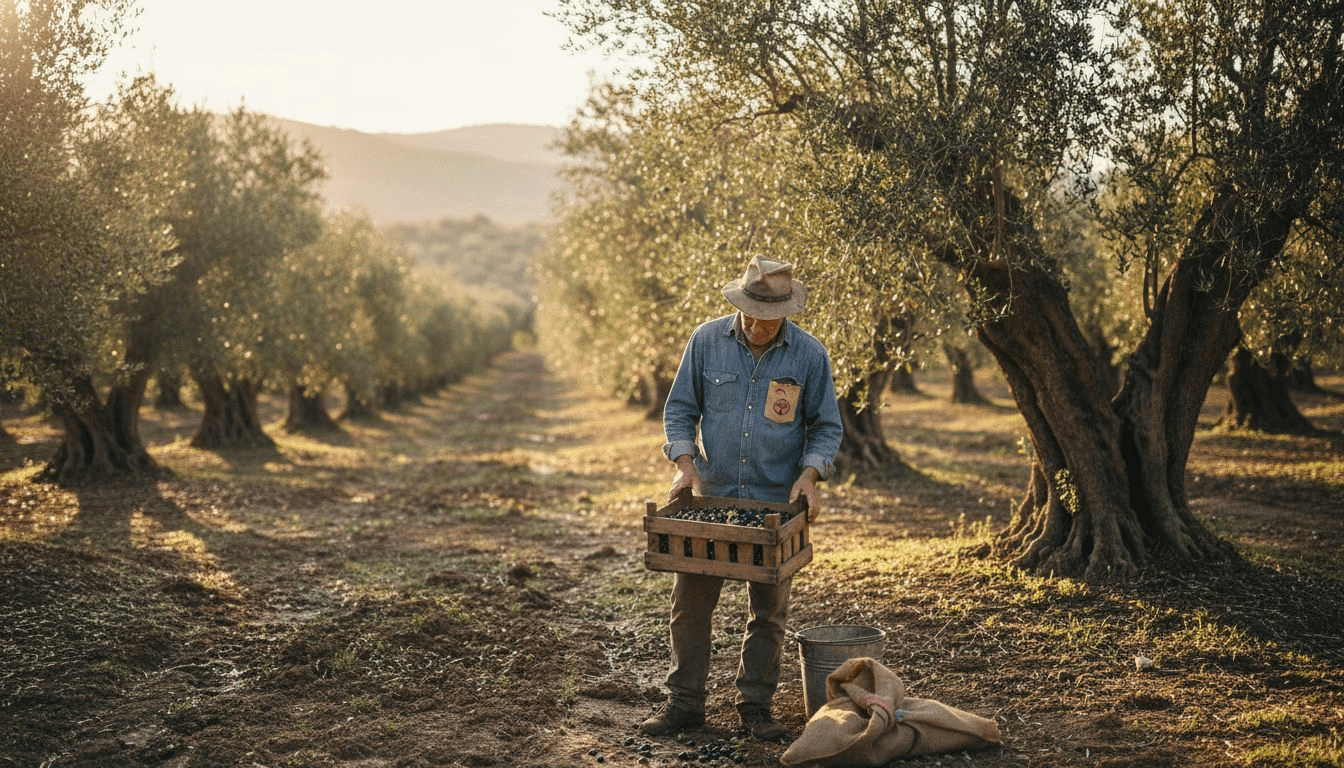
Searching for authentic organic olive oil can feel daunting when quality and sustainability matter most. Many gourmet food lovers in Europe want confidence that what they pour comes from environmentally conscious groves and meets strict standards. With certified organic extra virgin olive oil, you get more than just flavor—you invest in a product held to rigorous environmental and quality-control protocols from grove to bottle. Discover what sets true organic olive oil apart while exploring how health, taste, and eco-friendly practices converge.
Table of Contents
- What Defines Organic Olive Oil Certification
- How Organic Olive Oils Are Produced
- EU And International Organic Labeling Standards
- Common Myths About Organic Olive Oil
- Organic Olive Oil Versus Conventional Oils
- Health And Sustainability Impacts Of Organic EVOO
Key Takeaways
| Point | Details |
|---|---|
| Certification Ensures Authenticity | Organic olive oil certification involves strict standards and third-party verification. |
| Sustainable Production Practices | Organic production emphasizes chemical-free methods and ecological balance to enhance quality. |
| Clear Labeling Standards | EU and international organic labeling promote transparency, helping consumers make informed choices. |
| Health Benefits and Nutritional Value | Organic extra virgin olive oil provides higher antioxidant levels and supports biodiversity. |
What Defines Organic Olive Oil Certification
Organic olive oil certification represents a rigorous process ensuring consumers receive agricultural products produced through environmentally sustainable and chemical-free methods. Certification standards encompass multiple dimensions of olive cultivation and processing, creating a comprehensive framework that guarantees product authenticity.
The certification process involves several critical requirements that farmers and producers must meet:
- Chemical-Free Cultivation: Complete prohibition of synthetic pesticides, herbicides, and artificial fertilizers
- Natural Farming Techniques: Implementing ecological pest management and soil conservation strategies
- Traceability: Maintaining detailed documentation of olive production from grove to bottle
- Regular Inspections: Undergoing mandatory third-party verification and quality assessments
Third-party certification bodies play a crucial role in validating these standards. International olive oil certification frameworks provide structured guidelines that help prevent fraudulent practices and maintain product integrity. These organizations conduct comprehensive evaluations that assess both chemical composition and sensory characteristics of the olive oil.
The verification process extends beyond simple agricultural practices, examining intricate details of production. Chemical testing determines the oil’s purity, while sensory analysis ensures the olive oil meets specific taste and quality parameters. Producers must demonstrate consistent adherence to organic principles throughout their entire production cycle.
Pro tip: Request detailed certification documentation when purchasing organic olive oil to verify its authentic organic status and understand its specific production standards.
How Organic Olive Oils Are Produced
Organic olive oil production represents a holistic approach to agricultural cultivation that prioritizes environmental sustainability and natural processes. Organic production systems emphasize comprehensive strategies that protect both ecological balance and product quality from grove to bottle.
The production process involves several critical stages that differentiate organic olive oil from conventional methods:
- Soil Preparation: Using natural compost and avoiding synthetic fertilizers
- Pest Management: Implementing biological control methods instead of chemical pesticides
- Harvesting: Selecting olives at peak ripeness through careful manual or mechanical techniques
- Processing: Extracting oil using cold-pressing methods to preserve nutritional integrity
Sustainable cultivation practices are fundamental to organic olive oil production. Farmers utilize techniques like crop rotation, companion planting, and natural predator management to maintain soil health and control pest populations without relying on synthetic chemicals. These methods not only protect the environment but also contribute to the superior flavor and nutritional profile of the resulting olive oil.
Organic olive oil processing involves stringent quality control measures that ensure the final product meets strict organic standards. This includes careful monitoring of temperature during extraction, avoiding chemical solvents, and maintaining traceability throughout the entire production chain. The goal is to preserve the olive’s natural characteristics while minimizing environmental impact.
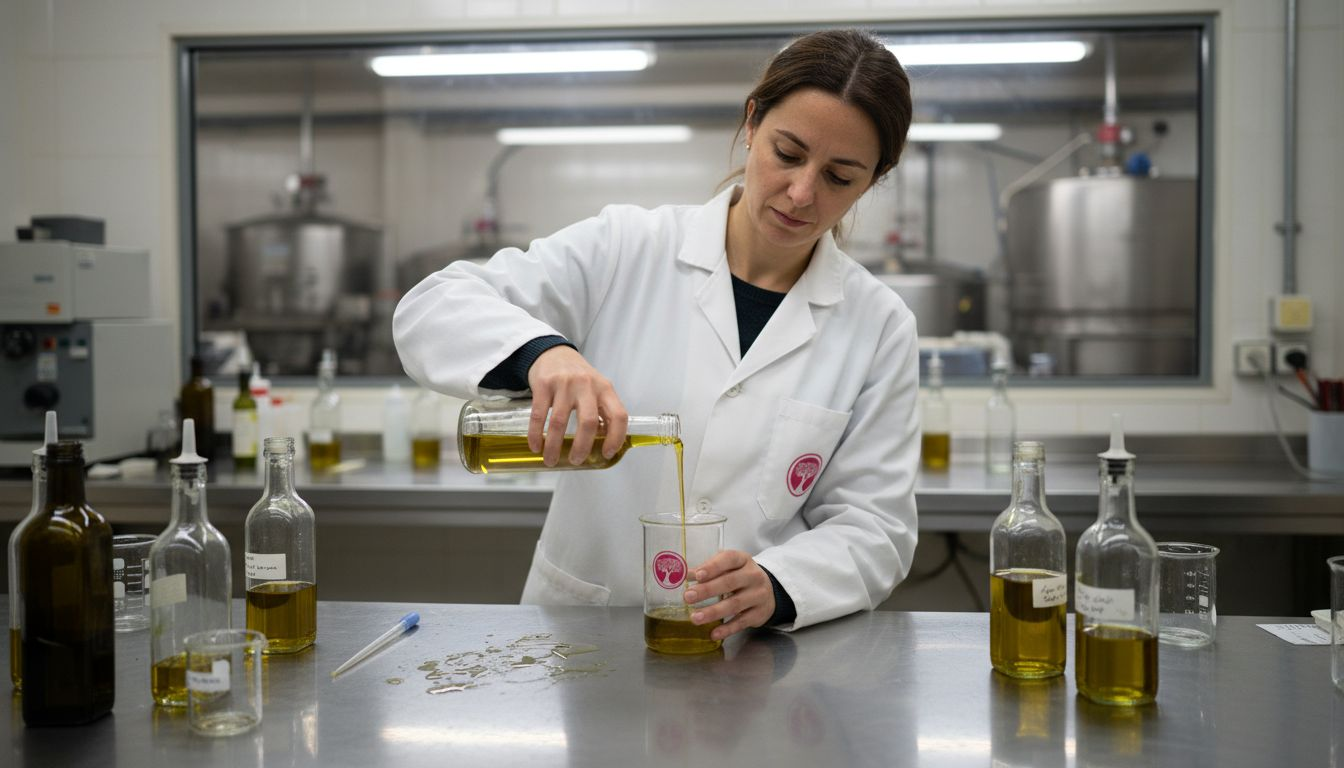
Pro tip: When purchasing organic olive oil, look for certifications from recognized international bodies to ensure authentic organic production standards.
EU and International Organic Labeling Standards
Organic labeling standards represent a critical framework for ensuring transparency and consumer protection in the agricultural marketplace. EU organic regulations provide comprehensive guidelines that establish precise requirements for product certification, packaging, and marketing across European member states.
The key components of international organic labeling include:
- Certification Logo: Mandatory EU organic logo for certified products
- Traceability Requirements: Detailed documentation of production processes
- Origin Identification: Clear indication of agricultural production location
- Production Method Disclosure: Transparent explanation of organic cultivation techniques
Regulatory frameworks differ significantly across global markets, with the European Union maintaining some of the most stringent organic certification standards. These regulations not only protect consumers but also create a uniform system that prevents fraudulent marketing and ensures consistent quality across different agricultural products.
The labeling standards go beyond simple nomenclature, encompassing comprehensive guidelines for production, processing, and distribution. Producers must demonstrate compliance through rigorous documentation, regular inspections, and adherence to strict environmental and agricultural practices that align with organic principles.
The following table highlights how organic labeling standards safeguard consumer interests:
| Labeling Feature | Purpose | Consumer Benefit |
|---|---|---|
| Certification Logo | Signals compliance with organic laws | Assures authenticity |
| Traceability Codes | Tracks product source and process | Enables product verification |
| Origin Statement | Shows region of agricultural origin | Informs about product source |
| Method Disclosure | Details cultivation and processing | Enhances transparency |
Pro tip: Always check for official organic certification logos and verify the specific standards applied to the product before making a purchase.
Common Myths About Organic Olive Oil
Organic olive oil myths persist despite extensive scientific research and certification processes. Organic certification guidelines systematically debunk widespread misconceptions about production, quality, and nutritional value.
Common myths about organic olive oil include:
- Myth 1: Organic oils are less flavorful than conventional products
- Myth 2: Organic certification means no quality control
- Myth 3: Organic olive oils have shorter shelf life
- Myth 4: Organic production is just a marketing strategy
Quality control processes in organic olive oil production are actually more rigorous than conventional methods. Contrary to popular belief, organic certification requires extensive documentation, regular inspections, and stringent testing to ensure product integrity. These comprehensive standards guarantee that organic olive oils meet high nutritional and sensory quality benchmarks.
Consumers often misunderstand the complexity of organic olive oil production. The certification process involves detailed traceability, strict environmental standards, and multiple verification stages that go far beyond simply avoiding synthetic chemicals. Organic producers must demonstrate sustainable agricultural practices, maintain soil health, and follow precise extraction techniques that preserve the oil’s natural characteristics.
Pro tip: Request detailed certification documentation to understand the specific organic standards applied to your olive oil.
Organic Olive Oil Versus Conventional Oils
Agricultural practices fundamentally differentiate organic and conventional olive oils. Cultivation and processing techniques reveal significant distinctions in environmental impact, chemical usage, and overall product quality.
Key differences between organic and conventional olive oils include:
- Chemical Inputs: Organic oils prohibit synthetic pesticides and fertilizers
- Soil Management: Organic methods prioritize long-term ecological health
- Antioxidant Levels: Organic production often yields higher nutritional content
- Environmental Impact: Organic techniques support biodiversity and sustainable farming
Nutritional profiles demonstrate remarkable variations between organic and conventional olive oils. Organic production methods emphasize natural pest control, soil fertility, and minimal chemical intervention. This approach can potentially increase the concentration of beneficial compounds like polyphenols and antioxidants, which contribute to the oil’s health-promoting properties.
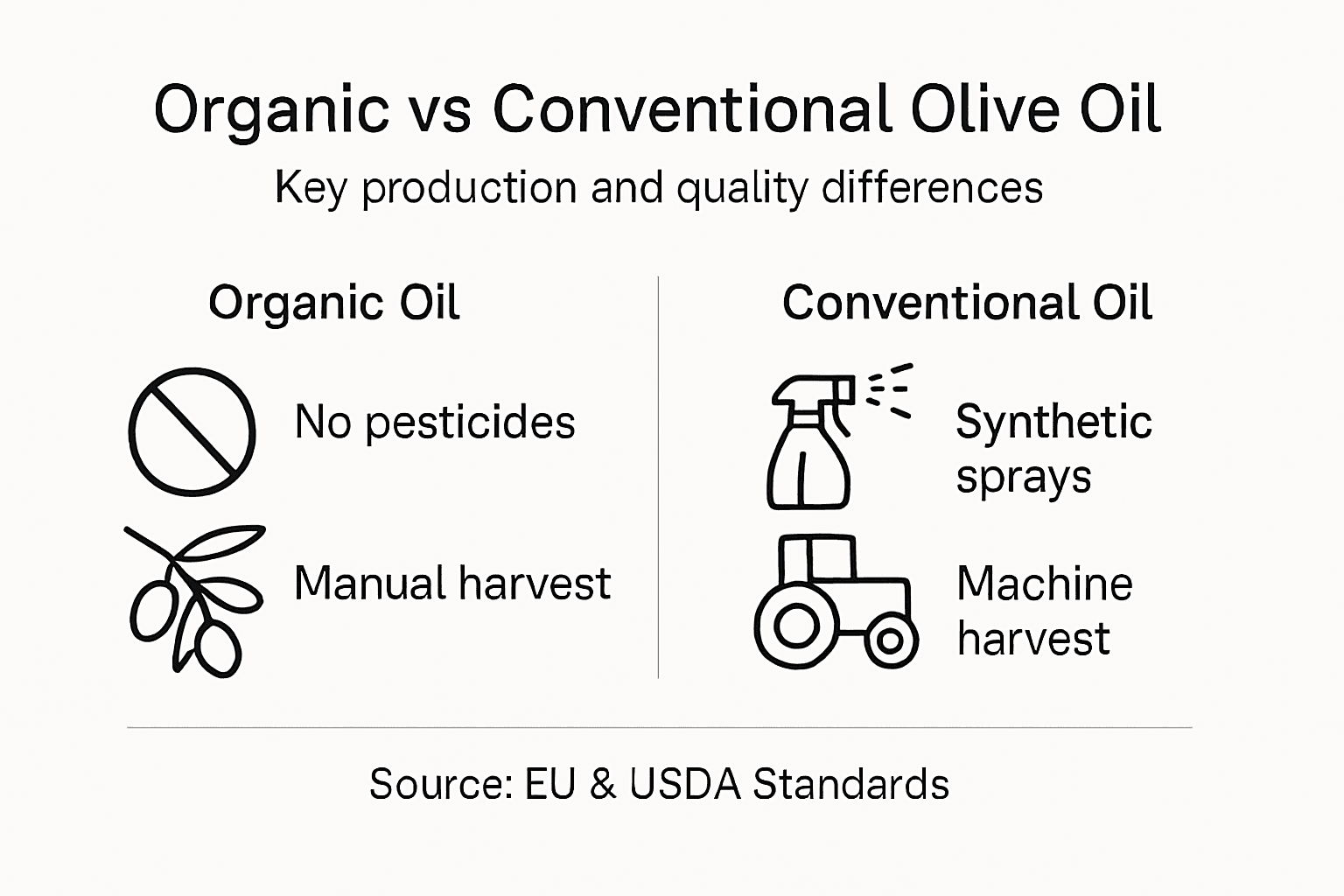
The quality distinction extends beyond environmental considerations. Conventional olive oil production may compromise long-term soil health and ecosystem balance through intensive chemical treatments. Organic producers, by contrast, implement holistic agricultural strategies that maintain soil structure, support beneficial microorganisms, and create a more sustainable production cycle.
Here is a summary comparing the main focuses of organic and conventional olive oil production:
| Aspect | Organic Olive Oil | Conventional Olive Oil |
|---|---|---|
| Chemical Usage | No synthetic inputs | Synthetic pesticides/fertilizers used |
| Soil Health | Long-term conservation | Often depletes nutrients |
| Environmental Impact | Supports biodiversity | Possible ecosystem disruption |
| Nutritional Value | Generally richer in polyphenols | Varies, often lower antioxidants |
Pro tip: Compare organic olive oil labels carefully, looking for third-party certifications that validate genuine organic production standards.
Health and Sustainability Impacts of Organic EVOO
Organic extra virgin olive oil represents a holistic approach to agricultural production that simultaneously addresses human health and environmental sustainability. European organic production methods demonstrate profound interconnections between ecological practices and nutritional quality.
Key health and sustainability benefits include:
- Reduced Chemical Exposure: Zero synthetic pesticide residues
- Enhanced Nutritional Profile: Higher concentrations of antioxidants and polyphenols
- Soil Conservation: Preservation of long-term agricultural ecosystem health
- Biodiversity Support: Protection of local ecological systems and wildlife habitats
Bioactive compound preservation distinguishes organic extra virgin olive oil from conventional alternatives. The absence of synthetic chemical interventions during cultivation allows natural antioxidants to develop more robustly. Cold pressing techniques further maintain the oil’s intrinsic nutritional integrity, ensuring that beneficial compounds like polyphenols remain intact and bioavailable.
Sustainability extends beyond immediate health benefits. Organic olive oil production actively mitigates climate change impacts through regenerative agricultural practices. By prioritizing soil health, minimizing carbon emissions, and supporting local ecosystems, organic producers create a comprehensive approach to environmental stewardship that transcends traditional agricultural methodologies.
Pro tip: Choose organic extra virgin olive oils from producers who transparently document their sustainable farming practices and ecological commitments.
Experience Authentic Organic Excellence With Terra Centuria
Understanding what makes olive oil truly organic means recognizing the importance of stringent certification standards, natural cultivation methods, and a commitment to sustainability. The article highlights challenges like ensuring chemical-free cultivation, maintaining traceability, and preserving the oil’s rich polyphenol content—all essential factors for genuine organic olive oil. If you value a product that delivers both health benefits and environmental responsibility, you deserve an olive oil that meets those high standards.
Discover how Terra Centuria embraces these exact principles by offering high polyphenolic extra virgin olive oil crafted in Slovenian Istria through natural, sustainable methods. Our carefully curated selection reflects the traditional craftsmanship and rigorous quality controls emphasized in the article. Visit Terra Centuria to explore premium organic EVOO that honors both your wellness goals and the planet’s health. Taste the difference certified organic standards make today and join a community passionate about authentic, antioxidant-rich olive oil.
Frequently Asked Questions
What defines organic olive oil?
Organic olive oil is certified through strict standards ensuring it is produced without synthetic pesticides, herbicides, or fertilizers, focusing on sustainable and natural farming techniques.
How is organic olive oil produced differently from conventional olive oil?
Organic olive oil production emphasizes chemical-free cultivation, natural pest management, and eco-friendly harvesting and processing methods, which differ from conventional practices that often use synthetic chemicals.
What are the benefits of consuming organic extra virgin olive oil?
Organic extra virgin olive oil is known for its higher levels of antioxidants and polyphenols due to its natural production methods, which support both health and environmental sustainability.
How can I verify the authenticity of organic olive oil?
To verify the authenticity of organic olive oil, look for certification logos from recognized bodies, check traceability documentation, and review the producer’s adherence to organic standards.