
Choosing the right olive oil for your kitchen can be confusing, especially with so many bottles promising healthy benefits and authentic flavor. Each type of olive oil offers something different, from powerful antioxidants to unique taste profiles, but not all oils deliver the same value for your health or your recipes. You need more than just a pretty label—understanding what goes into each oil and how it’s processed makes a real difference for your heart, your immunity, and your everyday meals.
This guide brings you clear, actionable insights to help you make informed decisions about the olive oils you buy and use. You’ll uncover the science-backed advantages of extra virgin and virgin oils, see what happens during the refining process, and learn how high polyphenolic oils stand out for their antioxidant potential. Get ready to discover which olive oil types actually support your cardiovascular health, offer flavorful cooking options, and make your Mediterranean dishes truly authentic.
Table of Contents
- 1. Extra Virgin Olive Oil: Top Health Benefits
- 2. Virgin Olive Oil: Natural Flavor and Use
- 3. Refined Olive Oil: Production and Purity
- 4. Pure Olive Oil: Blend Characteristics Explained
- 5. Pomace Olive Oil: Uses and Nutrition Facts
- 6. High Polyphenolic Olive Oil: Antioxidant Advantages
Quick Summary
| Key Message | Explanation |
|---|---|
| 1. Choose Extra Virgin Olive Oil for Health Benefits | EVOO contains polyphenols that promote heart health, reduce inflammation, and improve brain function, offering far more health benefits than refined oils. |
| 2. Look for Fresh and High-Quality EVOO | Select EVOO labeled “first cold-pressed” or with a recent harvest date to ensure maximum polyphenol content and health advantages. |
| 3. Use Virgin Olive Oil for Everyday Cooking | Virgin olive oil has flavorful, authentic taste and retains beneficial compounds, making it suitable for various culinary applications without breaking the bank. |
| 4. Save Refined Olive Oil for High-Heat Cooking | Refined olive oil has a high smoke point but lacks nutritional value; use it for cooking rather than health benefits. |
| 5. Incorporate High Polyphenolic Olive Oil for Maximum Health | Seek out oils with high polyphenol content for powerful antioxidant protection and cardiovascular benefits, enhancing overall well-being. |
1. Extra Virgin Olive Oil: Top Health Benefits
Extra Virgin Olive Oil (EVOO) stands apart from other olive oils because of how it’s made and what remains inside the bottle. Unlike refined oils, EVOO is mechanically pressed from ripe olives without heat or solvents, which preserves powerful compounds called polyphenols that give it remarkable health-promoting properties.
The magic of EVOO lies in its polyphenol content. These natural compounds, including hydroxytyrosol and oleuropein, act as antioxidants and anti-inflammatory agents in your body. They protect your cells from oxidative damage, which is the root cause of many chronic diseases.
Research shows that EVOO’s polyphenol-rich composition protects blood lipids from oxidative damage and supports cardiovascular health in ways other oils simply cannot match.
When you consume EVOO regularly, you’re getting benefits that extend far beyond basic nutrition:
- Heart health: EVOO lowers cardiovascular disease risk by improving blood vessel function and reducing harmful LDL oxidation
- Brain protection: The polyphenols cross the blood-brain barrier, supporting cognitive function and reducing dementia risk
- Anti-inflammatory effects: Chronic inflammation underlies most modern diseases; EVOO actively combats this process
- Cancer prevention: Studies link EVOO consumption to lower cancer risk, particularly in populations consuming Mediterranean diets
- Immune system support: The antioxidants strengthen your body’s natural defense mechanisms
The difference between EVOO and regular olive oil matters tremendously for your health. When olive oil is refined using heat and solvents, it loses most of these beneficial compounds. You end up with a neutral-tasting oil that provides calories but minimal therapeutic benefit.
Extra virgin olive oil’s Mediterranean diet heritage demonstrates why it’s been considered a cornerstone of heart-healthy eating for centuries. The populations that consume EVOO daily experience significantly lower rates of cardiovascular disease and cancer compared to those with limited consumption.
Your body responds to EVOO differently than it does to other fats. The polyphenols trigger specific cellular responses that reduce inflammation, protect your DNA, and improve how your body processes cholesterol and blood sugar.
Pro tip: Look for EVOO bottles labeled “first cold-pressed” or “cold-extracted” with a harvest date within the past year, as polyphenol content diminishes over time—fresh oil delivers maximum health benefits to your body.
2. Virgin Olive Oil: Natural Flavor and Use
Virgin olive oil (VOO) occupies a unique middle ground between extra virgin and refined oils. It’s produced using the same mechanical extraction methods as extra virgin oil, but without the stringent quality requirements, giving it a more accessible price point while still preserving genuine flavor and nutritional value.
What makes virgin olive oil special is that it retains its natural character through cold pressing. This mechanical process captures the oil’s distinctive taste and aroma without any chemical treatments or heat that would strip away its beneficial compounds. The result is an oil that tastes genuinely like olives.
The flavor complexity in virgin olive oil comes from a fascinating blend of chemical compounds. Volatile compounds like aldehydes and ketones create the fruity, grassy, and green notes you experience when tasting quality VOO. These same compounds also contribute to its nutritional benefits, though at levels slightly lower than extra virgin oil.
Virgin olive oil delivers authentic Mediterranean flavor and meaningful health benefits without the premium price tag of extra virgin options.
Unlike refined olive oils, virgin oil retains its phenolic compounds, the antioxidants that make olive oil a functional food. Your body still receives protection from oxidative stress and inflammation, just in a less concentrated form than with extra virgin.
Virgin olive oil shines in specific culinary applications:
- Everyday cooking: Use it for sautéing vegetables, roasting, and moderate-heat cooking
- Salad dressings: Its natural flavor enhances vinaigrettes without overpowering delicate greens
- Pasta finishing: Drizzle over finished dishes for Mediterranean authenticity
- Bread dipping: The flavor works beautifully with artisan breads
- Mediterranean dishes: Perfect for traditional recipes where olive character matters
The flavor profile of virgin olive oil depends on harvest timing, olive variety, and soil conditions. Early harvest oils tend toward grassy and herbaceous notes, while later harvests develop rounder, buttery characteristics. This variability is a strength, not a weakness, as it allows you to choose flavors that match your cooking style.
You’ll notice virgin olive oil tastes notably different from refined olive oils in a side-by-side comparison. The peppery finish, fruity notes, and grassy undertones are unmistakable marks of genuine, minimally processed oil. This sensory experience signals that you’re consuming something closer to its natural state.
Pro tip: Store virgin olive oil in a cool, dark place and use it within 18 months of the harvest date printed on the bottle—fresher oil delivers superior flavor and maximum antioxidant content.
3. Refined Olive Oil: Production and Purity
Refined olive oil represents a fundamentally different product from the oils we’ve discussed so far. It starts as crude virgin olive oil, but undergoes extensive chemical and physical processing to strip away impurities, flavors, and compounds that manufacturers consider undesirable. This transformation creates a neutral-tasting oil with extended shelf life.
The refining process itself is where refined olive oil departs from health-conscious choices. Producers use neutralization, bleaching, and deodorization to remove free fatty acids and contaminants that naturally occur in crude oil. These industrial processes accomplish something important for food safety and stability, but at a significant cost to nutritional value.
When you choose refined olive oil, you’re trading flavor and antioxidants for stability and a higher smoke point. The processing removes most polyphenols and antioxidants that make unrefined oils nutritionally valuable. What remains is essentially a neutral fat with minimal health benefits beyond basic calories and some vitamin E.
Refined olive oil prioritizes processing efficiency and shelf stability over the health compounds that make olive oil a functional food.
Most refined olive oils on grocery shelves are actually blended products. Manufacturers often mix refined oil with a small percentage of virgin or extra virgin oil to restore some flavor and nutritional character. This blending allows them to offer an affordable product that tastes better than pure refined oil while maintaining a lower price point.
Here’s what happens during the refining process:
- Neutralization: Removes free fatty acids using chemicals or heat
- Bleaching: Uses clay and other agents to remove pigments and impurities
- Deodorization: Heat treatment eliminates undesirable odors and flavors
- Purity testing: Analytical techniques like spectrophotometry verify compliance with international quality standards
Refined oil does have practical applications in your kitchen. Its high smoke point around 465 degrees Fahrenheit makes it suitable for cooking at higher temperatures where extra virgin oil would break down. Use it for pan-frying, roasting, or baking when you need heat stability.
The trade-off between health and functionality matters when you’re making purchasing decisions. If your goal is maximum antioxidant benefits, refined oil should not be your primary choice. Save it for cooking applications where heat protection is essential, and reach for unrefined oils when flavor and nutrition count.
Pro tip: If you use refined olive oil for cooking, supplement your diet with unrefined extra virgin olive oil in dressings and finishing dishes to ensure you’re getting meaningful antioxidant benefits.
4. Pure Olive Oil: Blend Characteristics Explained
Pure olive oil is a carefully engineered product designed to balance multiple competing priorities in a single bottle. Unlike the oils we’ve discussed, pure olive oil is intentionally blended from different olive oil sources to achieve specific flavor, nutritional, and performance characteristics that appeal to everyday consumers.
When manufacturers create pure olive oil, they’re making strategic choices about what matters most to their target audience. The blending process allows producers to combine oils with different properties to create a product that performs well across multiple uses. It’s a compromise between quality, cost, and functionality.
The composition of a blended pure olive oil directly influences its health benefits. Blends typically combine refined olive oil with smaller amounts of virgin or extra virgin oil to restore some flavor and antioxidant content without the premium price. The resulting phenolic content and fatty acid profiles fall somewhere between refined and unrefined oils.
Pure olive oil represents a middle-ground solution, offering better flavor than refined oil and better heat stability than extra virgin, but compromising on both fronts.
What you’re really getting with pure olive oil is a product optimized for general kitchen use. The blending strategy prioritizes versatility over specialization, making it functional for cooking, sautéing, and even some finishing applications. It won’t excel in any single area, but it performs adequately across many.
Here’s what makes pure olive oil blends work:
- Heat stability: Blends with refined oil content can handle higher temperatures than straight extra virgin
- Acceptable flavor: Virgin oil additions restore some taste without being too assertive
- Nutritional contribution: Enough polyphenols to offer meaningful antioxidant benefits
- Affordable pricing: Lower cost than premium unrefined options
- Consistent quality: Blending standardizes flavor and performance batch to batch
When you read a pure olive oil label, look for transparency about what’s inside. Quality producers disclose the blend composition, allowing you to understand exactly what you’re purchasing. Some blends favor refinement and heat stability, while others lean toward flavor and nutrition.
Your decision to use pure olive oil should depend on your cooking needs and health priorities. If you’re primarily cooking at moderate temperatures and want some nutritional benefit without premium pricing, pure oil makes sense. If nutrition is your main concern, unrefined oils deliver superior antioxidant content.
Pro tip: Use pure olive oil for everyday cooking and sautéing, then finish dishes with unrefined extra virgin oil to combine the heat stability of blended oil with the antioxidant benefits of premium oil.
5. Pomace Olive Oil: Uses and Nutrition Facts
Pomace olive oil occupies a unique position in the olive oil hierarchy, representing what happens after the initial pressing. When olives are mechanically pressed to extract virgin oils, substantial oil remains trapped in the solid residue called pomace. Rather than waste this resource, producers use solvent extraction to recover additional oil from these leftover solids.
This extracted pomace oil carries significant nutritional value despite its unconventional origin. It contains high levels of oleic acid, the same beneficial monounsaturated fat that makes unrefined olive oils heart-healthy. The oil also retains important bioactive compounds including phenolics and vitamin E that provide antioxidant protection.
The sustainability angle of pomace oil deserves attention. This process transforms agricultural waste into a usable product, reducing environmental impact while maximizing resource efficiency. You’re getting nutritional benefits from material that would otherwise be discarded, making it an environmentally conscious choice.
Pomace oil delivers meaningful nutritional benefits from what would otherwise be wasted olive residue, combining sustainability with cardiovascular health support.
Nutritionally, pomace oil performs well in several important areas. The oil’s composition includes monounsaturated fats and antioxidants that support heart health and reduce oxidative stress. It’s not equivalent to premium extra virgin oil, but it offers real health benefits at a fraction of the cost.
Pomace oil shines in specific culinary applications:
- High-heat cooking: Its higher smoke point around 450-470 degrees Fahrenheit handles frying and roasting
- Food production: Used commercially in processed foods and baked goods to boost nutritional profiles
- Budget-conscious cooking: Delivers health benefits without premium pricing
- Cosmetic applications: The antioxidants and vitamin E work as moisturizing and skin-protective agents
- Industrial uses: Applied in various manufacturing and food processing applications
When you’re at the grocery store comparing oils, pomace oil represents smart value. It won’t provide the sophisticated flavor profile of virgin oils, but it delivers genuine nutritional content and performs reliably in cooking applications where temperature matters. The price point makes it accessible for families seeking health benefits without premium expense.
Consider pomace oil as your everyday cooking workhorse. Save unrefined oils for finishing and flavor, and use pomace oil for the high-temperature cooking where its stability becomes advantageous. This practical approach maximizes both your health benefits and your budget.
Pro tip: Use pomace oil for any cooking above 400 degrees Fahrenheit, then drizzle premium extra virgin oil on finished dishes to combine heat stability with maximum antioxidant benefits in every meal.
6. High Polyphenolic Olive Oil: Antioxidant Advantages
High polyphenolic olive oil represents the pinnacle of olive oil’s health benefits. These premium oils contain significantly elevated levels of polyphenols, the powerful compounds responsible for olive oil’s therapeutic effects. Not all extra virgin oils are created equal, and polyphenol content is the critical differentiator that separates ordinary from exceptional.
Polyphenols function as your body’s defense system against cellular damage. When you consume high polyphenolic olive oil, these bioactive compounds work actively to neutralize free radicals and reduce oxidative stress. This protective action operates at a cellular level, addressing the root cause of aging and chronic disease development.
The anti-inflammatory benefits of high polyphenolic oil extend throughout your entire body. These compounds modulate inflammatory pathways, meaning they don’t just reduce symptoms but actually alter how your immune system responds to stress and injury. For someone seeking genuine disease prevention, this distinction matters tremendously.
High polyphenol extra virgin olive oil significantly improves antioxidant status by reducing oxidized LDL cholesterol and increasing your body’s total antioxidant capacity in measurable ways.
The cardiovascular advantages are particularly compelling. Your LDL cholesterol becomes vulnerable to oxidation, which accelerates plaque formation in arteries. High polyphenolic oils protect this cholesterol from oxidative damage, directly reducing your cardiovascular disease risk. This means real prevention, not just management.
Neuroprotective benefits emerge from regular high polyphenolic olive oil consumption:
- Brain health: Polyphenols cross the blood-brain barrier, protecting neural tissue from oxidative damage
- Memory preservation: Antioxidants support cognitive function and reduce dementia risk significantly
- Inflammation reduction: Decreased neuroinflammation supports long-term brain health
- Cellular protection: Compounds modulate multiple pathways involved in neurodegeneration
- Cancer prevention: Polyphenols’ antioxidant and anti-inflammatory properties contribute to cancer prevention mechanisms
Not all extra virgin oils contain high polyphenol levels. Harvest timing, olive variety, soil conditions, and processing methods all influence final polyphenol content. Early harvest oils typically contain higher polyphenol concentrations than late harvest varieties. When shopping, look for specific polyphenol measurements listed on labels rather than generic claims.
Your investment in high polyphenolic oil pays dividends through measurable health improvements. Clinical studies show improved blood lipid profiles, reduced inflammation markers, and enhanced antioxidant status within weeks of consistent consumption. You’re not just eating oil; you’re taking a targeted approach to disease prevention.
Pro tip: Choose early harvest, cold-pressed olive oils from cooler climates with polyphenol content listed on the label—look for oils testing above 250 mg/kg of polyphenols for maximum antioxidant protection.
Below is a comprehensive table summarizing the characteristics and benefits of different types of olive oil as discussed in the article.
| Oil Type | Production Method | Key Uses | Health Benefits |
|---|---|---|---|
| Extra Virgin Olive Oil (EVOO) | Mechanical pressing without heat or solvents | Cold applications, salads, finishing dishes | Rich in polyphenols; supports heart and brain health, reduces inflammation |
| Virgin Olive Oil (VOO) | Cold pressing with less stringent quality standards | Everyday cooking, dressings, bread dipping | Contains antioxidants and flavors; suitable for moderate heat |
| Refined Olive Oil | Chemical and heat processing to remove impurities | High-heat cooking, frying, baking | Minimal health benefits; high smoke point |
| Pure Olive Oil | Blend of refined and virgin oils | General cooking and bakings | Balanced health benefits and cooking functionality |
| Pomace Olive Oil | Extracted from remaining solids using solvents | High-heat applications, food processing | Nutritional value from oleic acid and vitamin E; eco-friendly |
| High Polyphenolic Olive Oil | Cold-pressed from early harvest olives | Premium health and antioxidant-rich uses | Extremely high polyphenol concentration for superior health benefits |
Choose Health and Authenticity with Terra Centuria’s Premium Olive Oils
Navigating the complex world of olive oils can be challenging. This article highlights the importance of selecting oils rich in polyphenols and antioxidants to truly benefit your heart, brain, and overall wellness. If you want to avoid refined or blended oils that lack nutritional value and instead embrace the powerful health advantages of high polyphenolic extra virgin olive oil, Terra Centuria offers an authentic solution. Our EVOO from Slovenian Istria is cold-pressed and naturally cultivated to preserve those valuable antioxidants and deliver the genuine flavor your body craves.
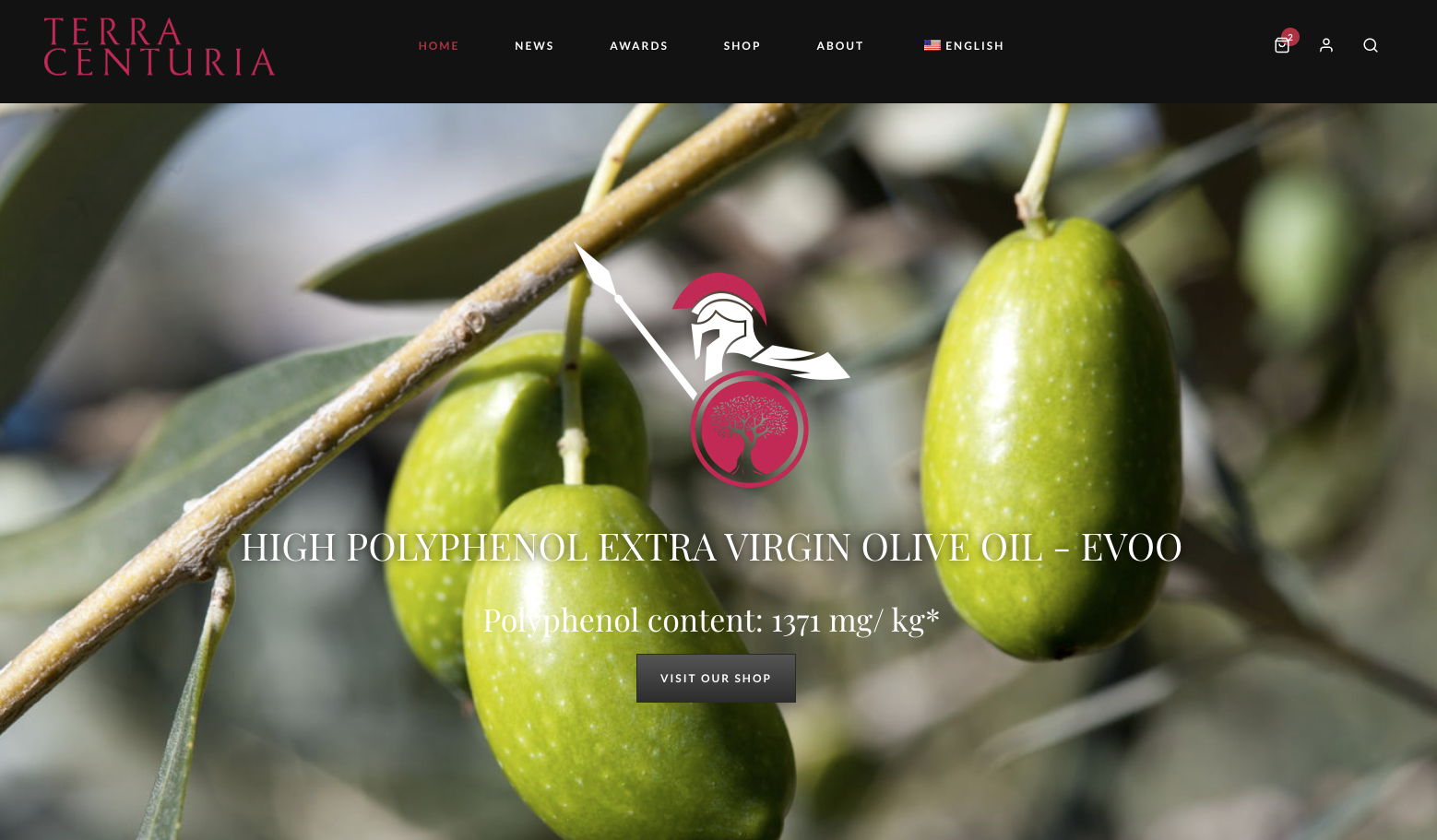
Ready to experience the difference for yourself? Explore our collection of award-winning, organic olive oils at Terra Centuria. Learn more about our traditional production methods and why our high polyphenolic EVOO stands apart. Start elevating your meals and health today by visiting Terra Centuria’s Landing Page and discover how to incorporate the finest olive oil into your daily routine.
Frequently Asked Questions
What are the main differences between Extra Virgin Olive Oil and Virgin Olive Oil?
Extra Virgin Olive Oil (EVOO) is made from the first cold pressing of olives, retaining maximum flavor and health benefits. In contrast, Virgin Olive Oil is also cold-pressed but lacks the strict quality standards of EVOO. When choosing, look for EVOO for the highest polyphenol content and health advantages.
How can I identify high-quality Extra Virgin Olive Oil?
Look for bottles labeled “first cold-pressed” or “cold-extracted” and check the harvest date printed on the label. Fresh oil delivers maximum health benefits, so choose oils harvested within the past year.
What is the purpose of refined olive oil, and when should I use it?
Refined olive oil undergoes chemical processing to remove impurities, creating a neutral-tasting oil with a higher smoke point, making it suitable for high-heat cooking. Use refined olive oil for pan-frying or baking when heat stability is essential.
What are the health benefits of High Polyphenolic Olive Oil?
High Polyphenolic Olive Oil contains elevated levels of polyphenols, acting as powerful antioxidants that protect against cellular damage and inflammation. Incorporate this oil into your diet for improved heart health and reduced cancer risk, targeting at least two tablespoons daily for optimal results.
Can I use Pomace Olive Oil for cooking, and what are its benefits?
Yes, Pomace Olive Oil is suitable for high-heat cooking due to its stable composition and high smoke point. It provides beneficial monounsaturated fats and antioxidants, offering a cost-effective option for everyday cooking while still supporting a heart-healthy diet.
What should I look for when buying Pure Olive Oil?
When purchasing Pure Olive Oil, check the label for transparency about its composition. This oil typically blends refined olive oil with some virgin or extra virgin oil to balance flavor and nutrition, making it a practical choice for versatile kitchen use.