
Many bottles labeled ‘cold pressed’ olive oil fail to meet strict standards despite their premium price tags. True first cold pressed extra virgin olive oil (EVOO) preserves the maximum concentration of antioxidants and polyphenols that make this oil a functional food. This guide cuts through marketing claims to help you identify authentic first cold pressed EVOO and understand exactly why the extraction method matters for both health benefits and flavor quality.
Table of Contents
- Understanding First Cold Pressed EVOO: Definition And Process
- How Cold Pressing Preserves Polyphenols And Antioxidants
- Health Benefits Linked To Polyphenol-Rich First Cold Pressed EVOO
- Common Misconceptions About First Cold Pressed EVOO
- Comparing EVOO Extraction Methods: Cold Pressed Vs Others
- Slovenian Istria’s Unique EVOO Quality And Natural Cultivation
- Practical Tips For Selecting Authentic First Cold Pressed EVOO
- Discover Premium First Cold Pressed EVOO At Terra Centuria
- Frequently Asked Questions
Key Takeaways
| Point | Details |
|---|---|
| First cold pressed means mechanical extraction below 27°C without heat or chemicals | This temperature limit preserves antioxidants and polyphenols that degrade at higher temperatures |
| Cold pressing retains over 90% of natural antioxidants compared to heat extraction | Heat-extracted oils lose the majority of their health-promoting compounds during processing |
| Misleading ‘cold pressed’ labeling requires verification through certifications | No universal legal definition exists, making certification and polyphenol testing essential |
| Slovenian Istria produces award-winning EVOO with polyphenol levels exceeding 400 mg/kg | Natural cultivation and terroir contribute to exceptional antioxidant content and flavor |
Understanding First Cold Pressed EVOO: Definition and Process
The term ‘first cold pressed’ describes a specific mechanical extraction method where olives are pressed only once at temperatures staying below 27°C (80°F). This controlled process prevents the breakdown of sensitive antioxidants and polyphenols that would otherwise degrade under heat or chemical treatment.
Three critical factors define authentic first cold pressed EVOO:
- Mechanical pressing using traditional stone mills or modern centrifuges without adding heat
- Temperature maintained below 27°C throughout the entire extraction process
- No secondary pressing or chemical solvents used to extract additional oil from the olive paste
The ‘first’ designation means producers press the olive paste only once. While they could extract more oil through a second pressing or by adding heat, doing so would compromise the oil’s chemical integrity. This single extraction yields less oil but preserves the natural compounds that give EVOO its health benefits and complex flavor profile.
Many consumers confuse ‘first cold pressed’ with generic ‘cold pressed’ labels. Generic cold pressing may involve temperatures up to 35°C or subsequent pressings, both of which reduce antioxidant content. Understanding this distinction helps you identify oils that truly preserve the organic olive oil selection process standards.
Pro Tip: Temperature control during extraction matters more than pressing method. Even traditional stone mills can generate friction heat if operated incorrectly, degrading the oil quality despite using ‘cold’ mechanical pressing.
How Cold Pressing Preserves Polyphenols and Antioxidants
Cold pressing preserves over 90% of natural antioxidants present in fresh olives, while heat extraction methods destroy these compounds rapidly. The temperature threshold of 27°C exists because sensitive polyphenols like hydroxytyrosol and oleuropein begin breaking down at higher temperatures through oxidation reactions.
Polyphenol content in first cold pressed EVOO reaches 2 to 3 times higher levels than heat-extracted oils. These compounds act as natural preservatives that protect the oil from rancidity while delivering the health benefits consumers seek. When extraction temperatures exceed 27°C, oxidative stress accelerates and polyphenol molecules degrade into less active forms.
The chemical preservation during cold pressing works through several mechanisms:
- Preventing thermal degradation of phenolic compounds
- Minimizing oxygen exposure that triggers oxidation reactions
- Maintaining the oil’s natural antioxidant defense system
- Preserving volatile aromatic compounds that contribute to flavor complexity
| Extraction Method | Polyphenol Content (mg/kg) | Antioxidant Preservation |
|---|---|---|
| First Cold Pressed | 250-800+ | 90-95% |
| Heat Extraction (>35°C) | 80-200 | 40-60% |
| Chemical Solvent | 50-150 | 30-50% |
This dramatic difference in antioxidant preservation explains why high polyphenol retention in EVOO commands premium pricing. You’re paying for compounds that survive the extraction process intact.
Pro Tip: Look for EVOO bottles that specify exact polyphenol content in mg/kg. Premium oils often test above 400 mg/kg, while standard supermarket brands rarely exceed 150 mg/kg even when labeled cold pressed.
Health Benefits Linked to Polyphenol-Rich First Cold Pressed EVOO
Polyphenol-rich EVOO consumption reduces LDL oxidation and inflammation through its antioxidant properties, with clinical studies documenting up to 30% reduction in oxidative stress markers. The preserved polyphenols from cold pressing directly translate into measurable cardiovascular protection that heat-extracted oils cannot provide.
Cardiovascular benefits dominate the research landscape. Regular consumption of high-polyphenol EVOO improves endothelial function, reduces blood pressure, and lowers inflammation markers like C-reactive protein. These effects stem from specific polyphenols like oleocanthal, which exhibits anti-inflammatory properties similar to ibuprofen.
Emerging research suggests additional health impacts:
- Neuroprotective effects that may slow cognitive decline and reduce Alzheimer’s risk
- Anticancer properties linked to polyphenol-induced apoptosis in cancer cells
- Improved insulin sensitivity and blood sugar regulation
- Enhanced gut microbiome diversity supporting digestive health
The antioxidant activity correlates directly with polyphenol concentration. EVOO with 500 mg/kg polyphenols delivers substantially more health benefits than oil containing 150 mg/kg, making the extraction method a critical factor in therapeutic value. This concentration difference separates functional foods from simple cooking fats.
You can explore detailed information about health benefits of high polyphenol EVOO and practical olive oil health tips to maximize these advantages in your daily diet.
Common Misconceptions About First Cold Pressed EVOO
No universal legal definition for ‘cold pressed’ exists in most markets, allowing producers to use the term loosely without meeting strict temperature controls. This regulatory gap creates confusion where marketing claims outpace actual production standards.
Marketing departments frequently exploit ambiguous language. A bottle labeled simply ‘cold pressed’ may have been extracted at 35°C or higher, technically cold relative to refined oils but warm enough to degrade polyphenols. The absence of ‘first’ in the label often signals subsequent pressings or heat application.
Common misconceptions include:
- Believing all ‘cold pressed’ oils maintain temperatures below 27°C
- Assuming organic certification guarantees cold pressing methods
- Thinking darker green color indicates higher polyphenol content
- Expecting all EVOO to be first cold pressed by default
The difference between ‘first cold pressed’ and other cold pressed methods remains unclear to most consumers. Second pressings extract remaining oil from the paste using higher pressure or mild heat, producing inferior oil often blended with first pressing oil and sold without distinction.
Certification and laboratory polyphenol analysis provide the only reliable verification. PDO (Protected Designation of Origin) and organic certifications indicate quality oversight, though they don’t always specify extraction temperature. Smart consumers check for transparency in production methods and seek brands that publish third-party lab results.
You can find guidance on verifying EVOO authenticity to avoid purchasing mislabeled products that fail to deliver promised quality.
Comparing EVOO Extraction Methods: Cold Pressed vs Others
Cold pressing yields 10 to 20% less oil than heat extraction methods, representing a deliberate quality versus quantity tradeoff. Producers who prioritize polyphenol preservation accept lower yields to deliver premium products, while mass-market brands maximize extraction efficiency at the expense of antioxidant content.
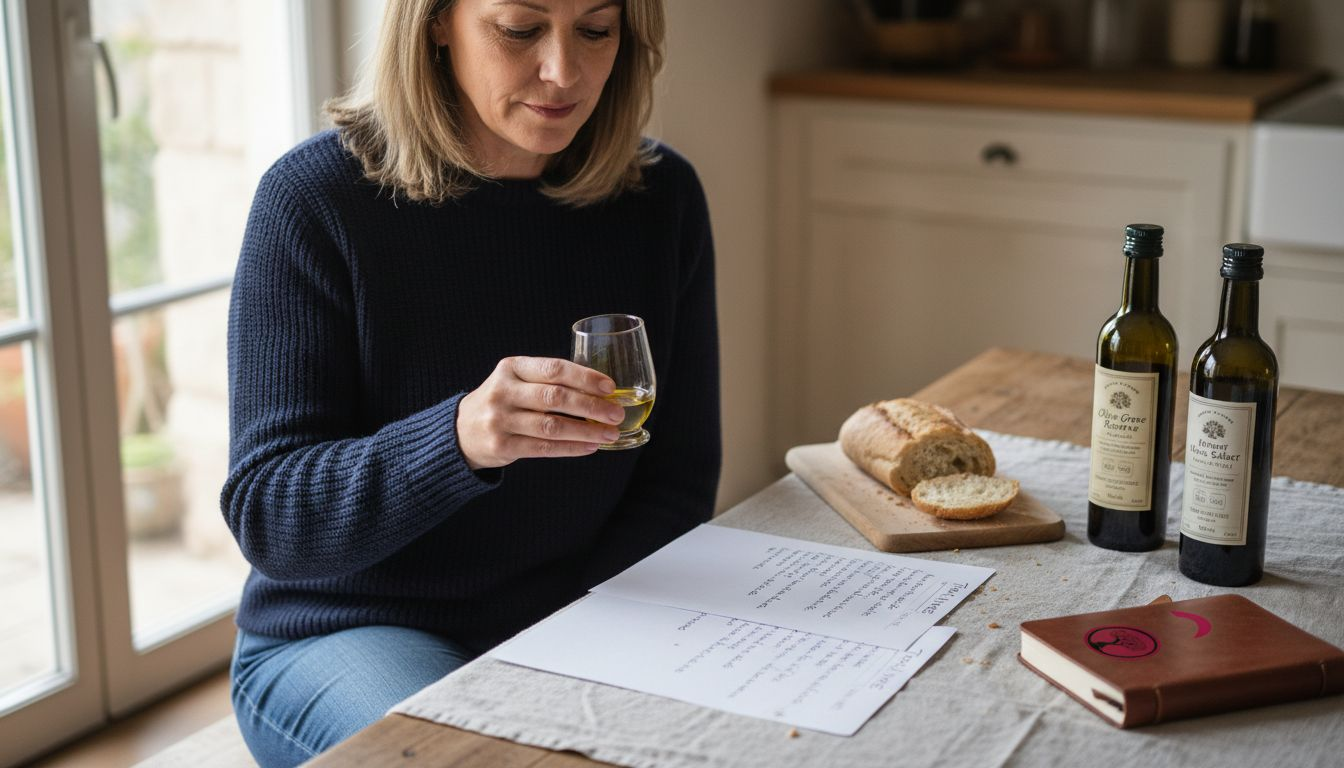
Heat extraction involves warming the olive paste to 35°C or higher, sometimes reaching 50°C to increase oil flow and yield. This temperature elevation breaks down cell walls more effectively but simultaneously degrades the phenolic compounds and volatile aromatics that define premium EVOO. The resulting oil tastes flatter and provides minimal health benefits.
Chemical extraction using hexane or other solvents extracts maximum oil from olive pomace, the solid waste remaining after pressing. This process creates pomace oil that lacks the ‘virgin’ designation entirely. Refinement removes solvent residues but also strips away remaining polyphenols, producing a neutral cooking oil devoid of EVOO’s characteristic properties.
| Method | Oil Yield | Polyphenol Retention | Flavor Profile | Health Impact |
|---|---|---|---|---|
| First Cold Pressed | 100% (baseline) | 90-95% | Complex, pungent | Maximum |
| Heat Extraction | 115-130% | 40-60% | Mild, less distinctive | Moderate |
| Chemical/Refined | 140-160% | 5-15% | Neutral, flat | Minimal |
First cold pressing represents the gold standard for premium EVOO production. You pay more per liter, but you receive an entirely different product category with superior sensory qualities and functional health compounds. The extraction method fundamentally determines whether you’re buying medicine or merely cooking fat.
Key quality indicators that distinguish first cold pressed oils:
- Pronounced fruitiness, bitterness, and peppery finish
- Complex aroma profile with fresh grass, tomato, or almond notes
- Natural cloudiness or sediment in unfiltered varieties
- Higher viscosity and slower pour compared to refined oils
Explore the detailed comparison of olive oil extraction methods to understand how processing impacts the final product you bring home.
Slovenian Istria’s Unique EVOO Quality and Natural Cultivation
Slovenian Istria produces EVOO with polyphenol levels regularly exceeding 400 mg/kg, placing regional oils among Europe’s most antioxidant-rich options. The peninsula’s microclimate combines Mediterranean warmth with Alpine freshness, creating ideal conditions for olive cultivation that enhances natural compound development.
Organic and natural farming practices dominate Slovenian Istria’s olive groves. Minimal intervention agriculture allows trees to develop deeper root systems that extract diverse minerals from the soil, concentrating flavonoids and polyphenols in the fruit. Traditional cultivation without synthetic pesticides or fertilizers produces olives with inherently higher antioxidant content as the trees naturally defend against environmental stress.
Taste profiles exhibit balanced fruitiness, bitterness, and pungency linked directly to polyphenol concentration. The peppery throat sensation that characterizes premium EVOO comes from oleocanthal, a polyphenol with anti-inflammatory properties. Slovenian Istrian oils deliver this sensation consistently due to optimal harvest timing and immediate processing.
Regional excellence factors include:
- Terroir combining limestone-rich soil with Mediterranean climate
- Small-scale production allowing hand-harvesting at peak ripeness
- Processing within hours of harvest to minimize oxidation
- Traditional olive varieties like Istrska Belica adapted to local conditions
International awards recognize Slovenian Istrian EVOO quality consistently. Regional producers win medals at competitions judging chemical composition and sensory attributes, validating the premium positioning of locally produced oils. These accolades reflect both natural advantages and committed craftsmanship throughout the production chain.
The organic natural cultivation in Slovenia demonstrates how regional practices create distinctive EVOO that stands out in both laboratory analysis and blind taste testing.
Practical Tips for Selecting Authentic First Cold Pressed EVOO
Verifying genuine first cold pressed EVOO requires checking specific production claims and quality indicators that separate authentic products from misleading marketing. Start by examining the label for explicit temperature statements confirming extraction below 27°C during all processing stages.
Certifications provide external validation when producers submit to third-party oversight:
- PDO (Protected Designation of Origin) guarantees regional production standards
- Organic certification confirms natural cultivation without synthetic chemicals
- Quality seals from olive oil councils indicate sensory and chemical testing
- Laboratory reports showing polyphenol content above 250 mg/kg
Polyphenol content information increasingly appears on premium EVOO bottles. Producers confident in their product quality publish exact mg/kg measurements from independent laboratory analysis. This transparency allows direct comparison between brands and validates cold pressing claims.
Avoid bottles making vague quality claims without supporting evidence. Terms like ‘premium,’ ‘gourmet,’ or ‘artisanal’ carry no standardized meaning and often mask inferior production methods. Similarly, packaging in clear bottles rather than dark glass exposes oil to light degradation, suggesting the producer prioritizes appearance over preservation.
Storage practices matter after purchase. Keep EVOO in a cool, dark location away from heat sources and use within 12 months of the harvest date. Even perfectly produced first cold pressed oil degrades over time as polyphenols slowly oxidize.
Pro Tip: Harvest date matters more than best-by date. EVOO peaks in quality within six months of pressing. Look for bottles stating harvest date rather than generic expiration dates set years in the future.
Find additional tips on selecting authentic EVOO that help you confidently identify quality products worth premium pricing.
Discover Premium First Cold Pressed EVOO at Terra Centuria
Ready to experience authentic first cold pressed EVOO with exceptional polyphenol content? Terra Centuria specializes in premium extra virgin olive oil produced in Slovenian Istria using traditional cold pressing methods that preserve maximum antioxidant content.
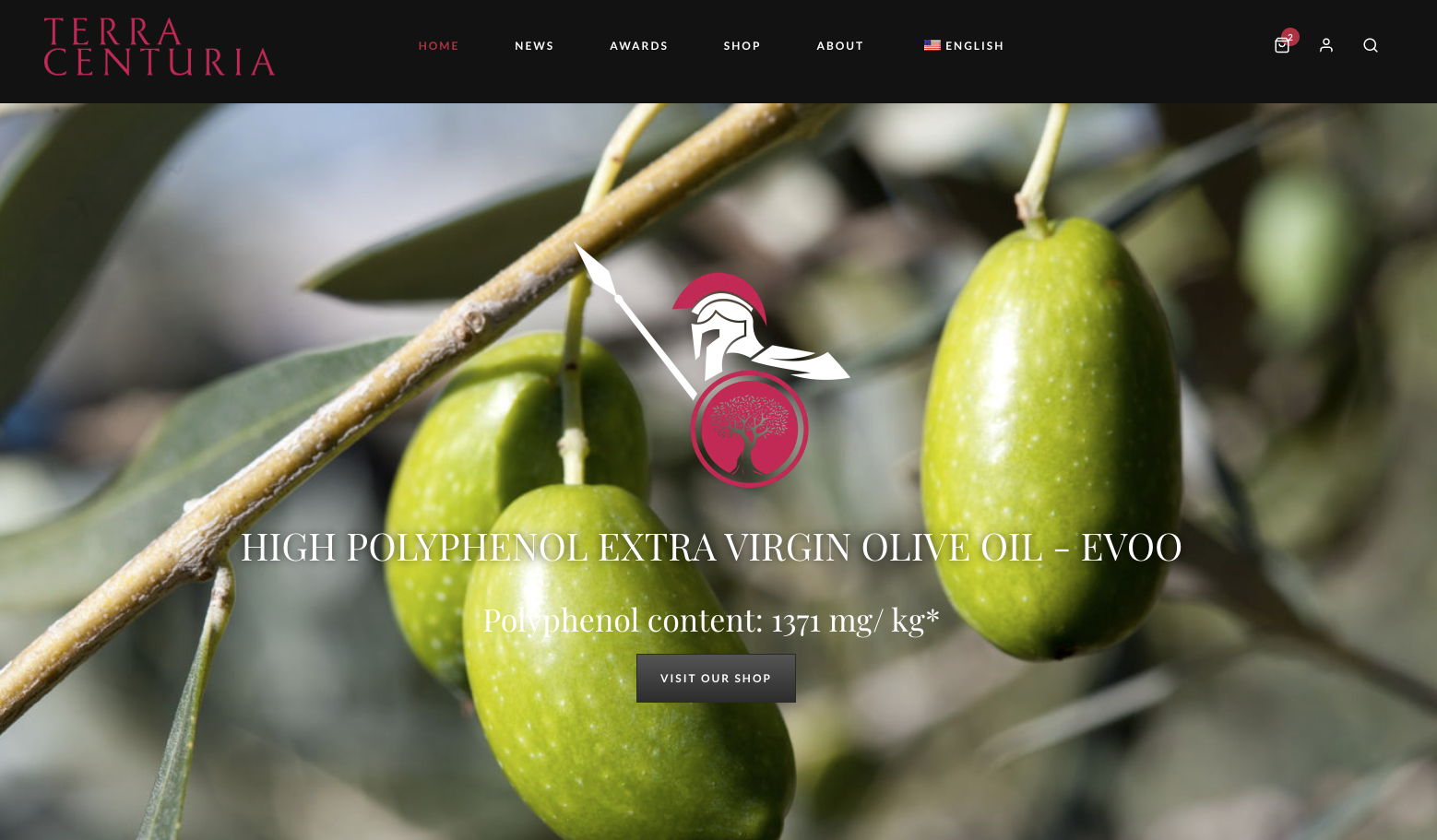
Our flagship EVOO delivers 1371 mg/kg polyphenols, nearly triple the concentration found in standard supermarket oils. This extraordinary level results from organic cultivation, optimal harvest timing, and immediate processing below 27°C. Every bottle comes with laboratory certification documenting exact polyphenol content and acidity levels.
Explore our organic olive oil selection process to understand how natural farming enhances antioxidant development. Learn about specific health benefits of polyphenolic EVOO backed by clinical research. We combine transparent sourcing with educational resources to help you make informed choices about functional foods that support wellness goals.
Frequently Asked Questions
What does ‘first cold pressed’ mean exactly?
First cold pressed indicates mechanical extraction performed only once at temperatures below 27°C without heat or chemical additives. The ‘first’ specifies no subsequent pressing occurred, while ‘cold’ confirms temperature control throughout processing to preserve antioxidants and polyphenols.
How can I verify if EVOO is truly first cold pressed?
Check for explicit temperature claims (below 27°C) on the label and look for third-party certifications like PDO or organic seals. Request polyphenol content data, as authentic first cold pressed oils typically contain 250+ mg/kg polyphenols. Reputable producers publish laboratory analysis and harvest dates rather than making vague quality claims.
Why is polyphenol content important in EVOO?
Polyphenols deliver the cardiovascular, anti-inflammatory, and neuroprotective health benefits that distinguish EVOO from ordinary cooking oils. These antioxidant compounds reduce LDL oxidation, lower inflammation markers, and may protect against chronic diseases. Higher polyphenol content means greater therapeutic value and longer shelf stability.
Is Slovenian Istria EVOO better than others?
Slovenian Istria produces exceptionally high-polyphenol EVOO due to ideal terroir, organic cultivation practices, and traditional processing methods. Regional oils regularly exceed 400 mg/kg polyphenols and win international awards for balanced flavor profiles. The combination of Mediterranean climate and Alpine influence creates unique growing conditions that enhance antioxidant development.
Can cold pressed EVOO be used for cooking?
Yes, first cold pressed EVOO works excellently for cooking at appropriate temperatures. The high polyphenol content provides oxidative stability that protects the oil during heating up to 190°C. Use it for sautéing, roasting, and baking while reserving raw applications like salad dressings to maximize intake of heat-sensitive compounds and appreciate complex flavors fully.
Recommended
- Antioxidant-Rich Olive Oil: Wellness and Flavor – Terra Centuria
- Terra Centuria – High Polyphenol Organic EVOO (1371 mg/kg)
- Why Choose Extra Virgin Olive Oil: Antioxidant Impact – Terra Centuria
- What Is Monovarietal Olive Oil: 30% More Antioxidants – Terra Centuria
- MAXCLINIC ROSE VITAMIN OIL FOAM 110G | B Woman
- Top 8 Produits Maggi en 2026 pour les Amateurs de Cuisine