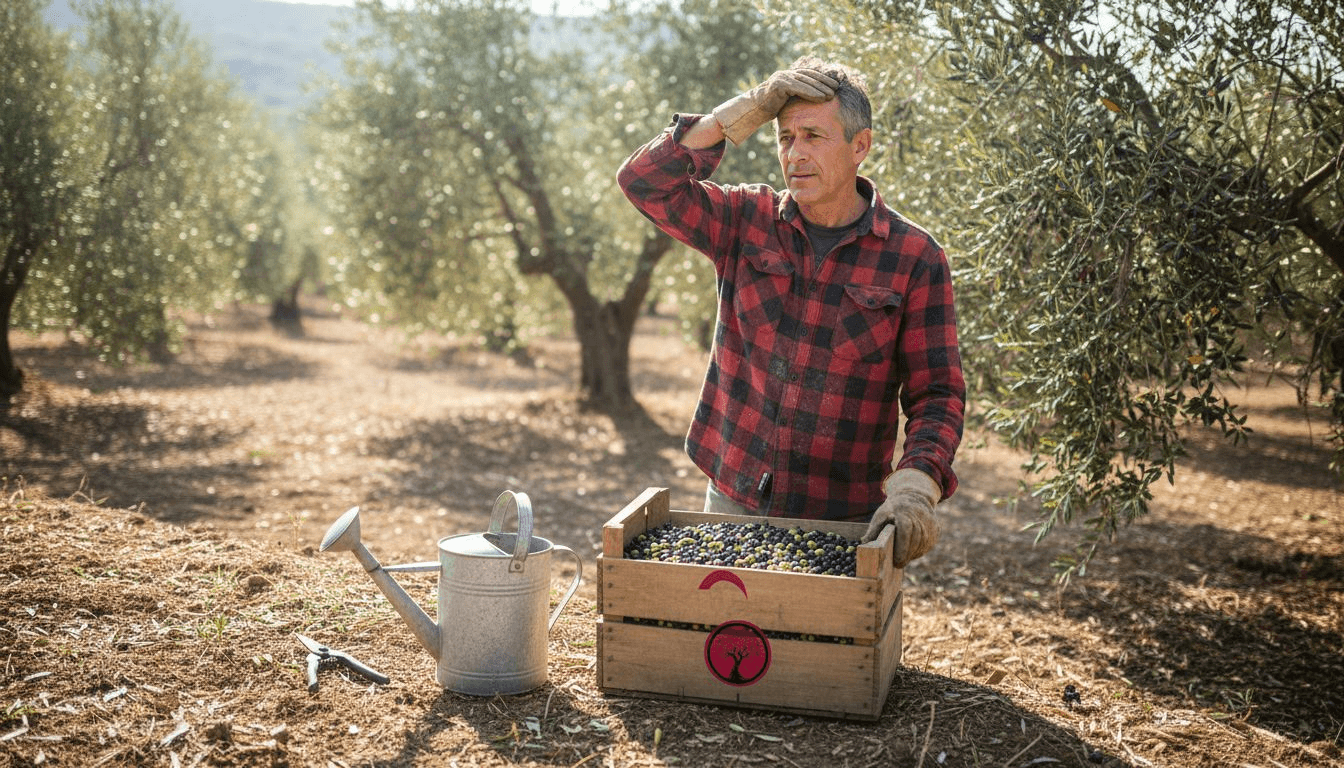
The search for premium olive oil often ends in disappointment when a product lacks the robust, peppery intensity that true connoisseurs crave. For those who value both superior flavor and health, understanding what creates high polyphenol content is essential. Polyphenols are the compounds behind olive oil’s powerful antioxidant benefits and vibrant taste, and their levels depend on harvest timing, growing conditions, and extraction techniques. Discover how these factors influence not just the oil you drizzle, but the benefits you experience with every bite.
Table of Contents
- What Makes Olive Oil High In Polyphenols
- Key Health Advantages Of Powerful Polyphenols
- Traditional Methods Elevate Antioxidant Levels
- High Polyphenol Vs. Regular Evoo Explained
Key Takeaways
| Point | Details |
|---|---|
| High Polyphenol Content is Crucial | Early-harvest, cold-pressed olive oil contains 300-500+ mg/kg polyphenols, providing significant health benefits. |
| Extraction Method Matters | Cold extraction preserves polyphenols better than heated methods, impacting oil’s antioxidant properties. |
| Post-Production Handling is Essential | Proper storage in dark bottles and low temperatures is vital to maintain polyphenol levels after bottling. |
| Label Information is Key | Check for harvest dates and polyphenol content; oils harvested earlier and with higher polyphenols offer better health advantages. |
What Makes Olive Oil High in Polyphenols
Polyphenols are natural compounds that develop in olive fruit and multiply during oil extraction. Think of them as the olive’s built-in defense system, created to protect the plant from stress and oxidation. These compounds directly determine whether your olive oil delivers measurable health benefits or just tastes pleasant.
The polyphenol content of olive oil isn’t random. It results from three primary factors working together:
- Harvest timing – Olives picked earlier contain higher polyphenol levels than ripe fruit
- Growing conditions – Stress factors like temperature fluctuations and soil composition boost polyphenol production
- Extraction method – Cold-pressing preserves these delicate compounds better than industrial heating
Early-harvest olives represent the peak of polyphenol concentration. As fruit ripens, polyphenol levels decline while oil yield increases. Producers choosing early harvest sacrifice quantity for quality—a decision that directly impacts the oil’s antioxidant power.
Polyphenol composition factors include agronomic conditions and fruit ripeness, which determine how much antioxidant potential your oil actually contains. Beyond the grove, the extraction process itself generates additional polyphenols through enzymatic reactions when olives are crushed and mixed.
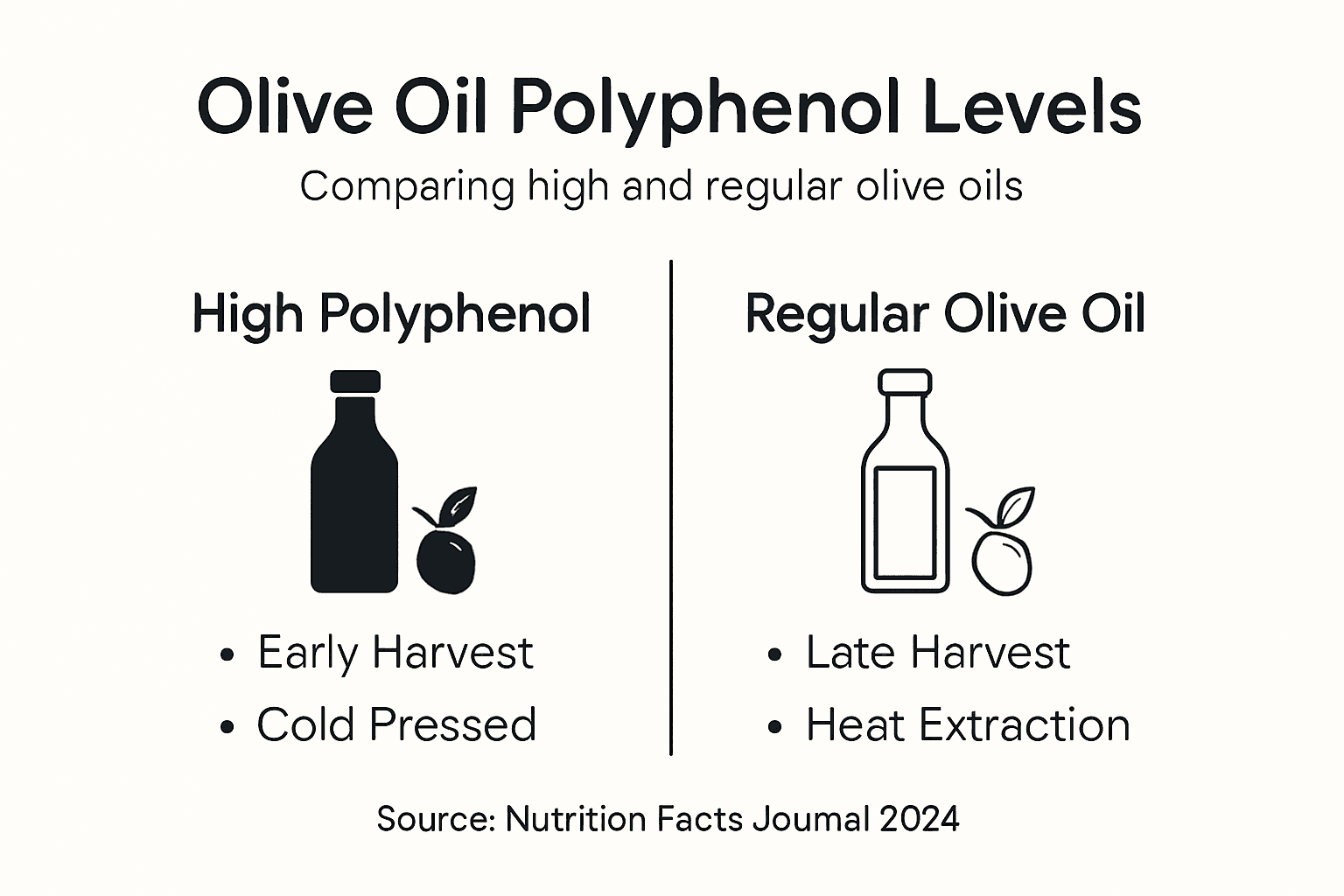
This is why cold-pressing matters more than marketing claims suggest. Heat damages heat-sensitive polyphenols, reducing their concentration significantly. Temperature control during malaxation (the mixing phase) can mean the difference between 400 mg/kg and 100 mg/kg of polyphenols in your finished oil.
Storage conditions continue this story after production ends. Light, heat, and oxygen gradually degrade polyphenols, which is why premium producers use dark bottles and nitrogen flushing. An oil with 500 mg/kg polyphenols when bottled might drop to 350 mg/kg within 18 months under poor storage conditions.
Regional terroir plays an undeniable role too. Mediterranean climates with specific temperature ranges, mineral-rich soils, and traditional olive varieties create naturally higher polyphenol environments. Not all growing regions produce equal results, even with identical farming practices.
High polyphenol olive oil requires early harvesting, cold extraction, and careful post-production handling—each step compounds the final antioxidant strength you consume.
Pro tip: Look for harvest dates on labels rather than vague “early-harvest” marketing terms. Oils from September-October harvests typically contain 2-3 times more polyphenols than November-December bottlings, though both may claim similar health benefits.
Here’s how common production factors impact olive oil polyphenol levels:
| Factor | High Polyphenol Oil | Regular Oil |
|---|---|---|
| Harvest Timing | Early harvest, less ripe | Late harvest, fully ripe |
| Extraction Method | Cold-pressed, gentle | Heated, industrial |
| Storage | Dark bottle, low temperature | Light exposure, warmer |
| Polyphenol Content | 300-500+ mg/kg | 50-100 mg/kg |
Key Health Advantages of Powerful Polyphenols
Polyphenols in olive oil work like cellular bodyguards, actively combating the damage that leads to aging and chronic disease. These compounds don’t just exist passively—they actively reduce oxidative stress, the root cause of inflammation, heart disease, and cognitive decline.
The health benefits cluster around four major mechanisms:
- Antioxidant protection – Neutralizes free radicals that damage cells and accelerate aging
- Anti-inflammatory action – Suppresses inflammatory markers linked to cardiovascular disease
- Cholesterol management – Promotes healthy cholesterol ratios and reduces arterial plaque formation
- Cellular defense – Supports your body’s natural defense systems at the molecular level
Your cardiovascular system responds noticeably to high-polyphenol olive oil consumption. Polyphenol antioxidant and anti-inflammatory effects directly reduce oxidized LDL cholesterol—the type that damages arterial walls. This means better blood flow, lower heart disease risk, and improved overall circulation.
Research shows measurable improvements in blood markers within weeks. People consuming high-polyphenol oils experience reduced oxidative stress markers and decreased inflammatory compounds in their bloodstream. These aren’t subtle changes; they’re quantifiable biological shifts.
The inflammation-reduction benefits extend beyond heart health. Chronic inflammation fuels joint discomfort, cognitive decline, and metabolic dysfunction. By reducing inflammatory markers like C-reactive protein, polyphenols support whole-body wellness and longevity.
Double-blind clinical trials demonstrate that high-polyphenol EVOO significantly improves antioxidant status in adults, especially those with higher cardiometabolic risk. This means the benefits aren’t theoretical—they’re proven in controlled human studies.
Not all olive oils deliver these benefits equally. Standard refined oils contain virtually no polyphenols, while early-harvest extra virgin oils can exceed 500 mg/kg. This difference determines whether you’re consuming functional medicine or just fat calories.
Polyphenols transform olive oil from a neutral cooking ingredient into a therapeutic food that actively protects your cardiovascular system and cellular health.
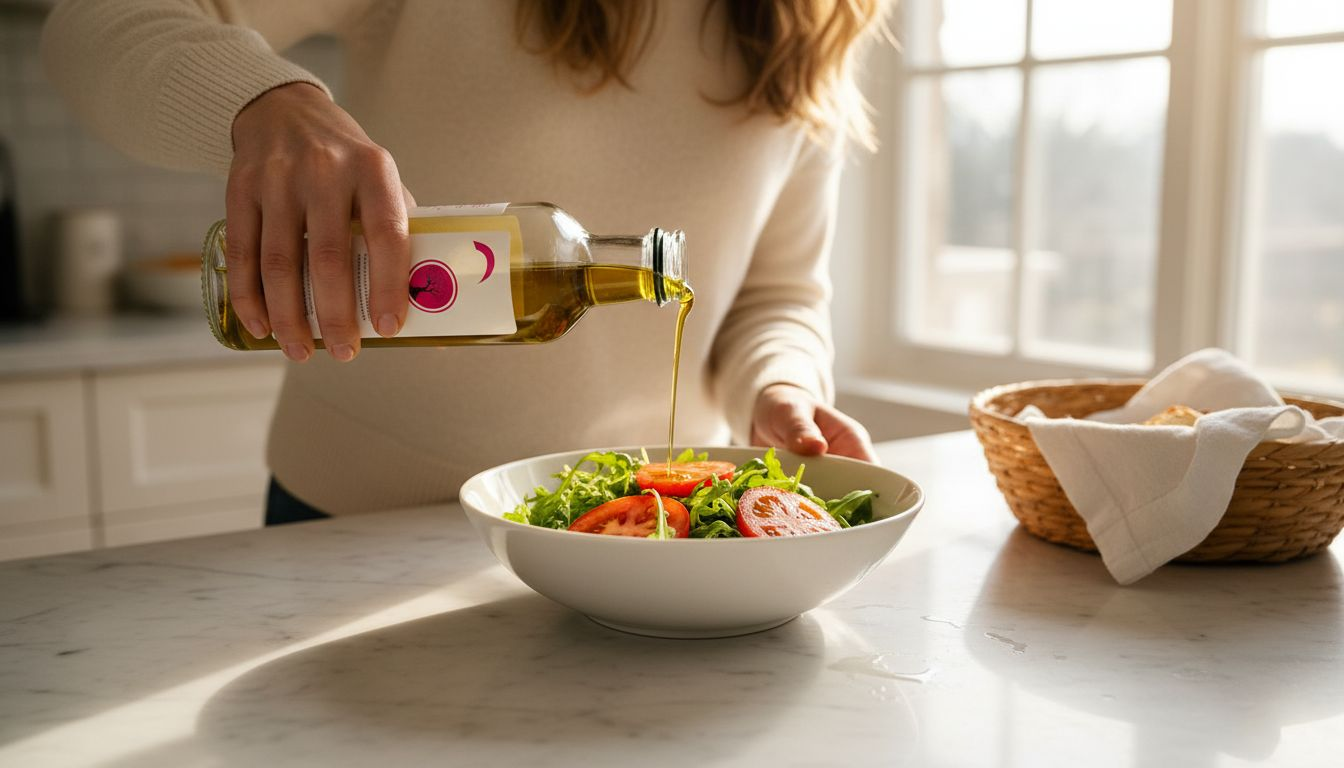
Pro tip: Consume high-polyphenol olive oil raw—drizzled over finished dishes or in salad dressings—rather than cooking with it. Heat degrades polyphenols, reducing their antioxidant potency significantly.
Traditional Methods Elevate Antioxidant Levels
Traditional olive oil production isn’t just heritage—it’s a science that preserves and amplifies polyphenols. Industrial shortcuts sacrifice chemistry for speed, while time-honored techniques protect the compounds that make olive oil a health investment.
The extraction process matters as much as the fruit itself. From crushing to mixing to centrifugation, each step either preserves or destroys polyphenols. Traditional producers understand this and control every variable deliberately.
Three critical processing factors directly influence final antioxidant levels:
- Temperature control – Cold extraction prevents heat from degrading heat-sensitive polyphenols
- Malaxation timing – The mixing phase duration determines enzymatic polyphenol generation
- Minimal processing time – Fast, careful handling reduces oxidation and polyphenol loss
Traditional crushing methods break down olive cell walls gently, releasing polyphenols without generating harmful oxidative byproducts. This contrasts sharply with industrial methods that prioritize oil quantity over chemical integrity.
Careful temperature and timing control during traditional extraction directly preserves polyphenol levels and boosts the antioxidant capacity of the finished oil. The malaxation phase—where crushed olives are slowly mixed—allows natural enzymes to generate additional polyphenols through biochemical reactions.
Harvest timing compounds these benefits. Harvesting at optimal fruit ripeness stages combined with traditional processing maintains higher polyphenol content and oxidative stability. Early-harvest fruit contains naturally elevated polyphenols; traditional methods preserve what’s already present.
Centrifugation speed and duration require precision too. Excessive heat from high-speed spinning degrades polyphenols. Traditional producers use gentler centrifugal forces and shorter spin times, sacrificing marginally lower yield for measurably higher antioxidant power.
This is why artisanal producers from Mediterranean regions produce superior oils. They’ve refined techniques over centuries, understanding that polyphenol preservation creates superior products—both in flavor and health impact.
Traditional extraction methods preserve polyphenols through careful temperature control, optimal timing, and gentle handling—turning harvest into therapeutic oil rather than commodity product.
Pro tip: Purchase oils from producers who clearly state their extraction temperature (ideally below 80 degrees Fahrenheit) and harvest date. These details reveal whether traditional methods protected polyphenols or industrial shortcuts degraded them.
High Polyphenol vs. Regular EVOO Explained
Not all extra virgin olive oils deliver the same health impact. The difference comes down to polyphenol concentration, which separates therapeutic oils from ordinary cooking fats. Understanding this distinction helps you invest your money in products that actually work.
Regular EVOO meets legal standards for production but prioritizes yield over chemistry. Producers harvest fruit at peak ripeness, extract using standard methods, and deliver oils that taste good but contain minimal bioactive compounds. These oils work fine for cooking and flavor, but they won’t improve your health markers.
High-polyphenol EVOO operates under entirely different priorities. Producers harvest early, use traditional cold-extraction methods, and control every variable to preserve polyphenols. The result is oil that tastes peppery, registers 300-500+ mg/kg polyphenols, and delivers measurable health benefits.
The differences extend far beyond polyphenol numbers:
- Harvest timing – High-polyphenol oils use early harvest; regular oils use ripe fruit
- Processing temperature – High-polyphenol oils stay below 80°F; regular oils may reach higher temperatures
- Flavor profile – High-polyphenol oils taste peppery and grassy; regular oils taste milder
- Health outcomes – High-polyphenol oils reduce oxidative stress measurably; regular oils offer minimal bioactive effects
- Price point – High-polyphenol oils cost more due to lower yield and careful handling
High-polyphenol EVOO contains significantly higher levels of bioactive compounds compared to standard EVOO, leading to better cardiovascular outcomes including improved cholesterol profiles and better vascular function. Clinical research demonstrates these differences aren’t marginal—they’re substantial enough to change blood chemistry.
Your body responds differently to each type. Consuming regular EVOO provides calories and some fat-soluble vitamins. Consuming high-polyphenol EVOO actively reduces inflammation, improves arterial function, and enhances antioxidant status within weeks.
This explains why Mediterranean populations with centuries of high-polyphenol oil consumption show superior cardiovascular health. They’re not just eating olive oil—they’re consuming functional medicine.
High-polyphenol and regular EVOO both carry the “extra virgin” label, but their biological effects are dramatically different. Polyphenol content determines whether oil heals or simply nourishes.
Pro tip: Check labels for polyphenol content measured in milligrams per kilogram. Oils exceeding 250 mg/kg offer genuine health benefits; anything under 100 mg/kg functions primarily as cooking fat without meaningful antioxidant power.
Compare the health benefits of polyphenol-rich and standard olive oils:
| Health Effect | High Polyphenol EVOO | Standard EVOO |
|---|---|---|
| Antioxidant Power | Strong, measurable | Limited, minimal |
| Inflammation Effect | Reduces key markers | No significant reduction |
| Heart Health | Lowers cholesterol, plaque | Maintains but no reduction |
| Cellular Defense | Promotes longevity | Little or no support |
Experience the Power of High Polyphenol Olive Oil Today
Unlocking the full health potential of olive oil requires more than just any extra virgin olive oil. As highlighted in “High Polyphenol Olive Oil Unlocking Potent Health Benefits,” the key lies in early harvest timing, cold extraction methods, and careful handling to preserve those vital antioxidants. If you are seeking to actively reduce inflammation, improve cardiovascular health, and nourish your body with genuine functional food rather than empty calories, you need an olive oil rich in polyphenols.
At Terra Centuria, we bring you premium high polyphenolic extra virgin olive oil from Slovenian Istria where traditional craftsmanship meets organic cultivation. Our cold-pressed oils respect nature and science ensuring every bottle delivers strong antioxidant power and authentic flavor. Explore how our sustainably produced products reflect the very best in quality and health benefits by visiting our homepage and discover the story behind our award-winning oils.
Take control of your wellness by choosing olive oil that supports your body’s defenses and elevates your meals with healthful richness. Visit Terra Centuria now to shop exclusive selections of high polyphenol EVOO and learn more about the tradition and science behind these exceptional oils. Your journey to better health starts with every drop.
Frequently Asked Questions
What are polyphenols in olive oil?
Polyphenols are natural compounds found in olive fruit that offer health benefits by combating oxidative stress and inflammation. They act like cellular protectors and are crucial for the oil’s antioxidant strength.
How does the harvesting time affect polyphenol levels in olive oil?
Olives harvested earlier contain higher polyphenol levels than fully ripe olives. Early harvesting prioritizes quality over quantity, resulting in oil that is richer in health-promoting compounds.
What is the difference between high-polyphenol olive oil and regular extra virgin olive oil?
High-polyphenol olive oil is made from early-harvest olives and cold-extraction methods, resulting in 300-500+ mg/kg of polyphenols. Regular extra virgin olive oil is produced from ripe olives and may have lower polyphenol content, providing minimal health benefits.
How should high-polyphenol olive oil be used for maximum health benefits?
To maximize health benefits, consume high-polyphenol olive oil raw, such as drizzling it over salads or finished dishes. Avoid cooking with it, as heat can degrade its beneficial polyphenols.