
Finding a truly exceptional olive oil can feel confusing for gourmet enthusiasts who prioritize health and flavor. Polyphenolic olive oil stands out for its rich concentration of bioactive molecules, offering an antioxidant boost that supports cardiovascular wellness and disease prevention. Choosing oils with elevated phenolic compounds means experiencing vibrant culinary traditions while enjoying enhanced health benefits, making each tasting a discovery of both quality and science.
Table of Contents
- What Polyphenolic Olive Oil Really Is
- Types of Olive Oil by Polyphenol Content
- How Polyphenols Work in the Body
- Major Health Benefits of Polyphenolic EVOO
- Factors Influencing Polyphenol Levels
- Taste, Storage, and Buying Tips
Key Takeaways
| Point | Details |
|---|---|
| High Phenolic Content | Polyphenolic olive oil is distinguished by its high levels of bioactive phenolic compounds, enhancing its health benefits compared to standard olive oils. |
| Health Benefits | Regular consumption of polyphenolic EVOO promotes cardiovascular health, metabolic regulation, and cellular protection against oxidative stress. |
| Choosing Quality Oils | Select high-phenolic olive oils with detailed phenolic content measurements, and look for fresh, dark packaging to ensure maximum nutritional value. |
| Influencing Factors | Polyphenol levels are influenced by factors like olive variety, climate, harvest timing, and processing methods, crucial for obtaining effective health benefits. |
What Polyphenolic Olive Oil Really Is
Polyphenolic olive oil represents a specialized category of extra virgin olive oil distinguished by its exceptionally high concentration of bioactive phenolic compounds. Unlike standard olive oils, these premium variants contain markedly elevated levels of natural antioxidants that provide remarkable health-protective properties. Phenolic compounds in olive oil represent complex molecular structures with extraordinary biological capabilities.
At its core, polyphenolic olive oil contains several critical molecular components that differentiate it from conventional olive oils:
- Higher concentrations of phenolic compounds
- Enhanced antioxidant potential
- Greater anti-inflammatory properties
- Increased cardiovascular protection mechanisms
The unique composition of polyphenolic olive oil stems from meticulous production techniques and specific olive cultivar selections. Farmers who produce high-phenolic olive oils focus intensely on harvest timing, olive variety, and processing methods that preserve these delicate molecular structures. Bioactive compounds in olive oil contribute diverse protective mechanisms beyond standard nutritional value.
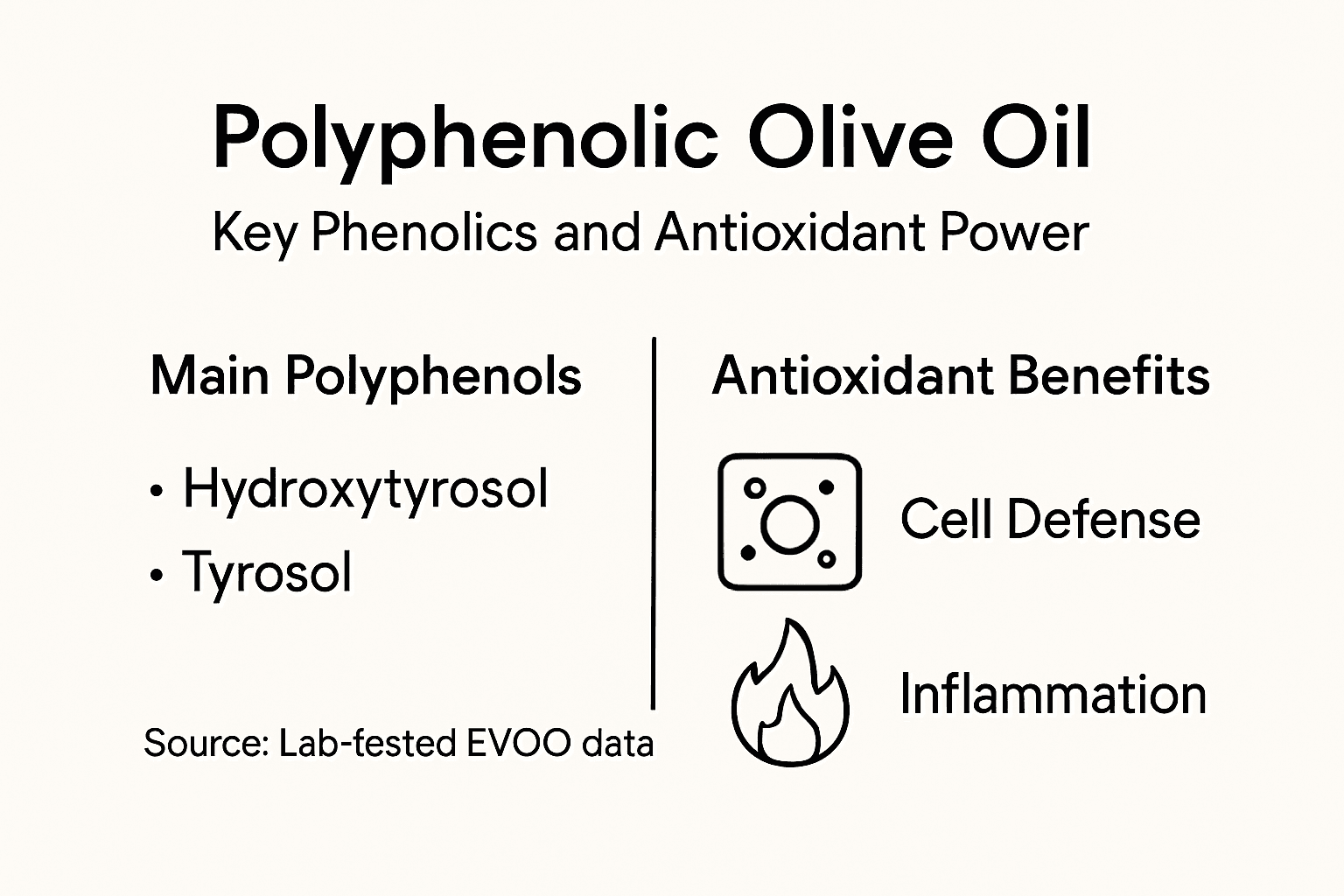
Chemically speaking, polyphenolic olive oils contain an intricate array of phenolic compounds including hydroxytyrosol, oleuropein, and tyrosol. These molecules interact with human cellular systems to neutralize harmful free radicals, potentially reducing oxidative stress and supporting long-term health maintenance. The concentration and quality of these compounds directly correlate with the oil’s therapeutic potential.
Pro tip: Select polyphenolic olive oils that provide detailed phenolic content measurements to ensure you’re receiving maximum health benefits.
Types of Olive Oil by Polyphenol Content
Olive oils are not created equal, especially when it comes to polyphenol content. Olive oil polyphenol concentrations vary dramatically based on multiple critical factors that influence their potential health benefits. Understanding these variations can help consumers make more informed choices about their olive oil selections.
The primary categories of olive oil by polyphenol content include:
- Extra Virgin Olive Oil (EVOO): Highest polyphenol concentration
- Virgin Olive Oil: Moderate polyphenol levels
- Refined Olive Oil: Lowest polyphenol content
- High-Phenolic EVOO: Specialized category with exceptional polyphenol levels
Farmers and producers significantly impact polyphenol concentrations through several key variables. Factors such as olive variety, harvest timing, processing methods, and storage conditions all play crucial roles in determining the final phenolic compound profile. Some olive cultivars naturally produce higher polyphenol levels, with varieties like Koroneiki and Picual renowned for their exceptional antioxidant potential.
The complexity of polyphenol content extends beyond simple classification. Molecular compounds like oleocanthal, oleacein, and hydroxytyrosol contribute unique characteristics to each olive oil’s therapeutic profile. These bioactive molecules determine not just the antioxidant capacity but also potential anti-inflammatory and cardiovascular protective mechanisms that make certain olive oils particularly valuable for health-conscious consumers.
Here’s how the types of olive oil differ in polyphenol-related qualities:
| Olive Oil Type | Polyphenol Range | Typical Source Regions | Common Health Impact |
|---|---|---|---|
| Extra Virgin | 200–500 mg/kg | Mediterranean, California | Strong antioxidant boost |
| Virgin | 100–250 mg/kg | Spain, Greece, Italy | Moderate health support |
| Refined | 10–100 mg/kg | Global, commercial farms | Minimal nutritional gain |
| High-Phenolic EVOO | 500–1200+ mg/kg | Greece, Spain, select regions | Maximum disease defense |
Pro tip: Look for olive oils that provide detailed phenolic content measurements to ensure you’re selecting the most nutritionally potent option.
How Polyphenols Work in the Body
Polyphenols function as sophisticated molecular guardians within the human body, orchestrating complex defense mechanisms against cellular damage. Olive oil polyphenols exhibit multi-target biological activities that go far beyond simple nutritional supplementation, engaging in intricate interactions with cellular systems to promote overall health and prevent potential disease progression.
The primary mechanisms of polyphenol action include:
- Free Radical Neutralization: Scavenging harmful oxidative molecules
- Inflammation Reduction: Modulating inflammatory response pathways
- Cellular Protection: Preventing oxidative stress and DNA damage
- Metabolic Regulation: Supporting healthy cellular metabolism
Polyphenols exert antioxidant effects through several sophisticated biochemical processes. They work at the cellular level by reducing reactive oxygen species, preventing lipid peroxidation, and supporting mitochondrial function. These molecular interactions help protect cells from premature aging and potential damage caused by environmental stressors and metabolic processes.
Beyond direct cellular protection, polyphenols demonstrate remarkable versatility in supporting human health. They interact with genetic expression, modulate immune system responses, and provide neuroprotective benefits by inhibiting inflammatory pathways and supporting brain cell integrity. The complex molecular structure of these compounds allows them to target multiple biological systems simultaneously, making them powerful agents in preventative health strategies.
Pro tip: Consume polyphenol-rich foods consistently to maximize their cumulative protective health benefits.
Major Health Benefits of Polyphenolic EVOO
Polyphenolic extra virgin olive oil represents a powerful nutritional intervention with extensive health-protective capabilities. Olive oil polyphenols contribute to protection against chronic diseases by addressing multiple physiological systems simultaneously, offering a comprehensive approach to preventative wellness.
The primary health benefits of polyphenolic EVOO include:
- Cardiovascular Protection: Improving lipid profiles
- Metabolic Health: Regulating blood sugar and insulin response
- Neurological Support: Protecting brain cell integrity
- Immune System Enhancement: Reducing systemic inflammation
- Cellular Damage Prevention: Neutralizing oxidative stress
Polyphenol-rich olive oil contributes to comprehensive disease prevention through sophisticated molecular interactions. These compounds work strategically to modulate inflammatory responses, support metabolic functions, and provide robust antioxidant protection. By targeting multiple biological pathways, polyphenolic EVOO helps mitigate risks associated with chronic conditions like heart disease, diabetes, and age-related cognitive decline.
Beyond disease prevention, polyphenolic EVOO demonstrates remarkable potential in supporting overall human health. Its complex molecular structure enables interactions with genetic expression, supports mitochondrial function, and helps maintain cellular resilience. The synergistic effects of these bioactive compounds create a multifaceted defense mechanism that goes far beyond traditional nutritional supplementation, positioning polyphenolic EVOO as a powerful tool in proactive health management.
Pro tip: Integrate high-phenolic extra virgin olive oil into your daily diet to maximize its long-term health-protective benefits.
Factors Influencing Polyphenol Levels
Polyphenol concentrations in olive oil are the result of a complex interplay of environmental, agricultural, and processing variables. Olive oil polyphenol concentrations depend on multiple critical factors, requiring intricate understanding of how different elements impact the final product’s nutritional profile and health potential.
The key factors influencing polyphenol levels include:
- Olive Variety: Genetic predisposition of specific cultivars
- Climate Conditions: Temperature, rainfall, and sunlight exposure
- Soil Composition: Mineral content and drainage characteristics
- Harvest Timing: Olive maturity and ripeness stage
- Processing Techniques: Milling methods and extraction processes
- Storage Conditions: Temperature, light, and oxygen exposure
Environmental stressors play a crucial role in polyphenol development. Olive trees grown in challenging conditions – such as higher altitudes or areas with limited water resources – often produce fruits with elevated polyphenol concentrations as a natural defense mechanism. The stress response triggers increased production of these protective compounds, resulting in more potent olive oils with enhanced health benefits.
Processing techniques significantly impact the preservation of polyphenols. Cold extraction methods, minimal processing time, and immediate bottling help maintain the highest possible polyphenol levels. Exposure to heat, prolonged oxygen contact, and extensive filtering can dramatically reduce the concentration of these valuable compounds, underscoring the importance of careful handling throughout the production process.
The following table summarizes the key factors that influence polyphenol content in olive oil:
| Factor | Influence on Polyphenols | Producer Control |
|---|---|---|
| Olive Variety | Dictates potential levels | Selectable cultivars |
| Harvest Timing | Affects maturity and compound peak | Controlled schedule |
| Processing Method | Preserves or degrades phenolics | Technique chosen |
| Storage Conditions | Protects against loss | Controlled environment |
Pro tip: Choose olive oils from regions with challenging growing conditions and look for cold-pressed, minimally processed varieties to maximize polyphenol content.
Taste, Storage, and Buying Tips
Selecting high-quality polyphenolic olive oil requires understanding its unique sensory characteristics and proper preservation techniques. High-quality olive oils offer distinct flavor indicators that signal their potent nutritional profile, making sensory evaluation a critical skill for discerning consumers.
Key characteristics to assess when purchasing polyphenolic olive oil include:
- Taste Profile: Pungent, slightly bitter flavor
- Aroma: Fresh, grassy, or herbaceous notes
- Color: Vibrant green to golden-green hues
- Packaging: Dark glass bottles with harvest date
- Origin: Regions with challenging growing conditions
- Harvest Date: Within the last 12-18 months
Proper storage is essential for maintaining the olive oil’s nutritional integrity. Exposure to light, heat, and oxygen can rapidly degrade polyphenols, diminishing their health-protective properties. Consumers should store their high-phenolic extra virgin olive oil in cool, dark spaces, preferably in tightly sealed dark glass containers away from direct sunlight and heat sources. Transfer smaller quantities to use daily, keeping the primary container sealed and protected.
When selecting polyphenolic olive oil, look beyond marketing claims and focus on tangible quality indicators. Reputable producers provide detailed information about harvest dates, polyphenol content measurements, and extraction methods. A robust, peppery finish and slight burning sensation at the back of the throat often indicate higher polyphenol concentrations, signaling a more potent nutritional product.
Pro tip: Taste your olive oil before purchasing and look for a sharp, peppery finish that indicates high polyphenol content.
Discover the True Power of Polyphenolic Olive Oil with Terra Centuria
The article highlights the challenges of finding olive oils rich in polyphenols that truly deliver antioxidant and anti-inflammatory benefits. Many consumers struggle to identify products with guaranteed high phenolic content and authentic traditional craftsmanship. If you want to unlock the full health potential of extra virgin olive oil, look no further than Terra Centuria. Our premium EVOO is cultivated in Slovenian Istria under natural conditions that naturally maximize polyphenol levels. We blend sustainability, heritage, and meticulous production methods to ensure every bottle provides robust cellular protection, cardiovascular support, and lifelong wellness.
At Terra Centuria, we understand that quality and authenticity matter. Our organic, antioxidant-rich olive oils come with full transparency about harvest timing and processing methods so you can be confident in the superior nutritional profile. With a vibrant, peppery flavor that signals peak polyphenol content, our EVOO invites you to experience the tangible benefits of true Mediterranean craftsmanship.
Elevate your health journey today and embrace the antioxidant power described in this article. Explore our collection and learn more at Terra Centuria because your well-being deserves nothing less.
Ready to transform your diet with premium, high-polyphenol olive oil? Visit Terra Centuria now to shop authentic EVOO crafted for maximum health benefits.
Frequently Asked Questions
What is polyphenolic olive oil?
Polyphenolic olive oil is a type of extra virgin olive oil that contains a high concentration of bioactive phenolic compounds, which provide strong antioxidant and anti-inflammatory properties.
How do polyphenols benefit health?
Polyphenols help neutralize free radicals, reduce inflammation, and support metabolic health. They are linked to cardiovascular protection, neurological support, and immune system enhancement.
How can I identify high-quality polyphenolic olive oil?
Look for oils with a pungent and slightly bitter taste, a fresh aroma, vibrant color, and labels indicating high phenolic content and recent harvest dates. Dark glass bottles help protect the oil from light degradation.
What factors influence the polyphenol levels in olive oil?
The polyphenol content is influenced by the olive variety, climate conditions, soil composition, harvest timing, processing methods, and storage conditions. Choosing oils from challenging growing conditions and cold-pressed methods can maximize polyphenol levels.