You’ve probably heard that cold pressed olive oil is healthier, but did you know up to 40% of cold pressed olive oils have significantly lower-than-claimed polyphenol levels? Many consumers mistakenly believe all cold pressed options deliver equal health benefits. This article reveals the truth about antioxidant content, traditional production methods, and how Slovenian Istria’s artisanal techniques create superior oils. You’ll learn to identify authentic, health-beneficial cold pressed olive oils that truly deliver on their promises.
Table of Contents
- Introduction To Cold Pressed Olive Oil
- Nutritional Profile And Antioxidants In Cold Pressed Olive Oil
- Traditional Production Methods In Slovenian Istria
- Health Benefits Of Cold Pressed Olive Oil
- Common Misconceptions And Quality Verification
- Practical Usage And Storage Recommendations
- Summary And Health-Driven Selection Tips
- Explore Premium High Polyphenol Olive Oils At Terra Centuria
- Frequently Asked Questions
Key Takeaways
| Point | Details |
|---|---|
| Antioxidant Preservation | Cold pressing retains up to 75% more polyphenols than refined extraction methods. |
| Regional Excellence | Slovenian Istrian EVOO averages over 350 mg/kg polyphenols, significantly above industry standards. |
| Labeling Problems | Approximately 40% of marketed ‘cold pressed’ oils contain lower antioxidant levels than advertised. |
| Storage Impact | Proper storage prevents up to 30% antioxidant degradation over 12 months. |
| Health Benefits | Verified high polyphenol oils reduce inflammation and support cardiovascular health through bioactive compounds. |
Introduction to Cold Pressed Olive Oil
Cold pressing is a mechanical extraction method that operates below 27°C without heat or chemical solvents. This temperature control preserves delicate compounds that would otherwise degrade during processing.
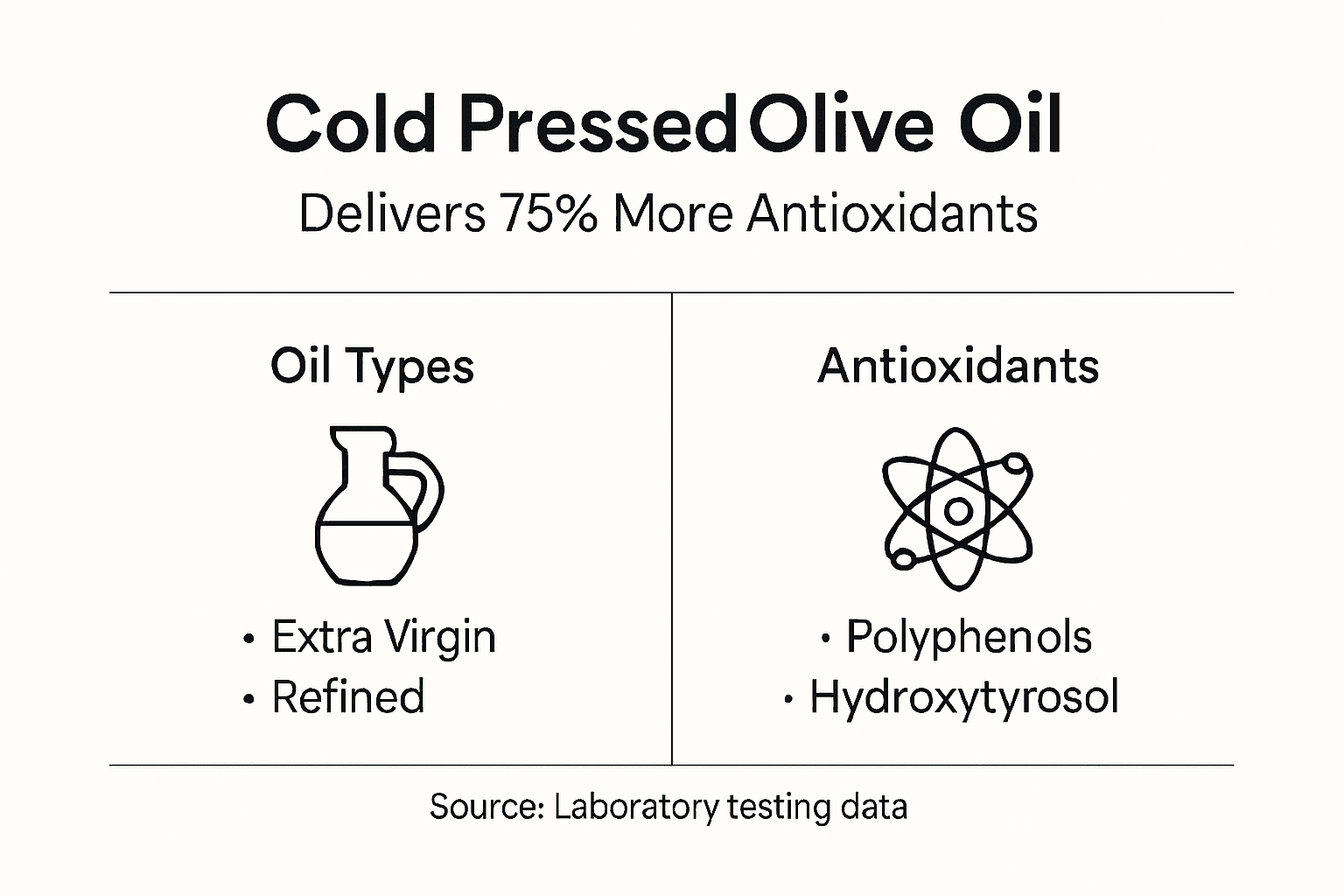
Unlike refined oils that undergo heat treatment and chemical processing, cold pressing preserves polyphenols and maintains the natural nutritional profile. Cold pressing retains up to 75% more polyphenols compared to refined methods, making it the superior choice for health-conscious consumers.
Polyphenols are powerful antioxidants that protect your cells from oxidative damage. These compounds survive the gentle cold pressing process intact, delivering measurable health benefits. The health benefits of cold pressed olive oil stem directly from preserving these bioactive molecules.
Extra virgin classification requires strict adherence to quality standards including cold extraction, low acidity levels, and superior sensory characteristics. Not all cold pressed oils qualify as extra virgin, but all extra virgin oils must be cold pressed.
Key benefits of cold pressing include:
- Nutrient retention that preserves vitamins E and K
- Richer, more complex flavor profiles reflecting olive variety and terroir
- Higher concentrations of oleocanthal and hydroxytyrosol
- Superior oxidative stability extending shelf life naturally
- No chemical residues or heat-damaged compounds
Pro Tip: Always verify that your olive oil is both cold pressed and extra virgin for maximum antioxidant content and health benefits.
Nutritional Profile and Antioxidants in Cold Pressed Olive Oil
High-quality cold pressed extra virgin olive oil contains between 250 and 500+ mg/kg of polyphenols. Premium oils from ideal growing conditions regularly exceed these ranges, delivering exceptional antioxidant density.
The primary antioxidants include hydroxytyrosol, oleuropein, and tyrosol. Each compound offers distinct protective effects against cellular damage and inflammation. These molecules are heat-sensitive, making cold extraction essential for preservation.
Polyphenol antioxidants in olive oil work synergistically to reduce oxidative stress throughout your body. They neutralize free radicals before these reactive molecules can damage DNA, proteins, and cell membranes.
The extraction temperature directly influences final polyphenol concentrations. Even modest heat exposure during processing can reduce antioxidant levels by 30% or more. Cold pressing maintains compound integrity from harvest through bottling.
| Oil Type | Polyphenol Content (mg/kg) | Primary Antioxidants | Health Impact |
|---|---|---|---|
| Cold Pressed EVOO | 250-500+ | Hydroxytyrosol, Oleuropein, Tyrosol | High anti-inflammatory, cardiovascular protection |
| Refined Olive Oil | 50-150 | Minimal remaining phenolic compounds | Reduced health benefits, primarily caloric value |
| Standard Vegetable Oil | 0-30 | Nearly absent after processing | Minimal antioxidant contribution |
Cold pressed extra virgin olive oil delivers approximately three to five times more antioxidants than refined alternatives. This difference translates to measurable improvements in inflammation markers and cardiovascular risk factors.
Your body absorbs these fat-soluble antioxidants efficiently when consumed with meals. They integrate into cell membranes where they provide ongoing protection against oxidative damage.
Main antioxidant functions:
- Neutralizing reactive oxygen species that cause cellular aging
- Protecting LDL cholesterol from oxidation that initiates plaque formation
- Supporting mitochondrial function and energy production
- Reducing inflammatory signaling throughout tissues
Traditional Production Methods in Slovenian Istria
Slovenian Istria’s microclimate and limestone-rich soil create ideal conditions for cultivating olives with exceptional phenolic profiles. The region’s temperature variations and Mediterranean influence concentrate bioactive compounds in the fruit.
Traditional harvesting begins in October when olives reach optimal ripeness. Producers carefully hand-pick or use gentle mechanical methods that avoid bruising the fruit. Damaged olives oxidize rapidly, reducing final oil quality.
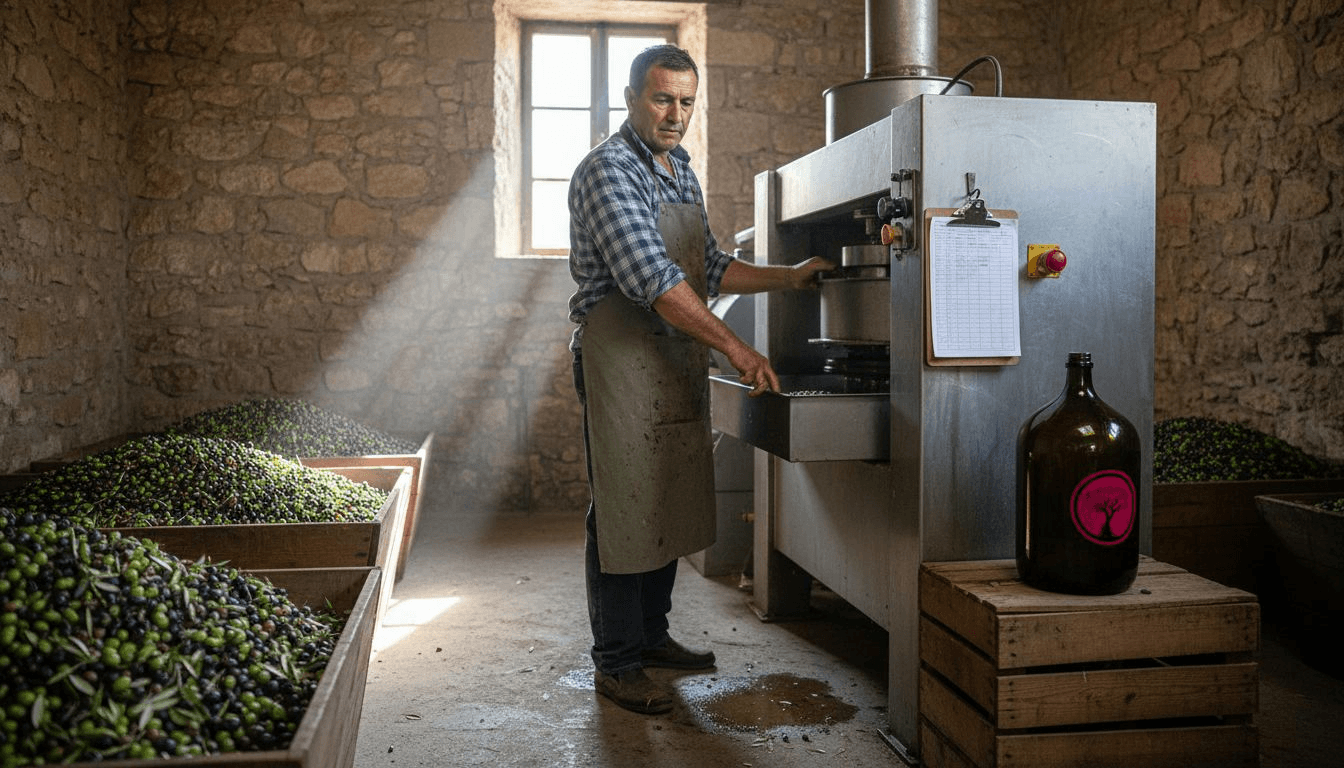
Cold pressing follows immediately after harvest, often within hours. This swift processing prevents enzymatic degradation of polyphenols. Mills use granite or stainless steel presses that extract oil through mechanical pressure alone, respecting centuries-old techniques while incorporating modern hygiene standards.
Istrian EVOO samples show phenolic content above 350 mg/kg on average, influenced by the region’s unique terroir. The Slovenian Istria terroir and olive oil relationship demonstrates how geography shapes nutritional quality.
The combination of traditional knowledge and scientific understanding has earned Slovenian Istrian producers international recognition. Regional certifications verify adherence to quality standards that protect both consumers and the olive oil heritage.
Traditional production elements include:
- Manual sorting to remove damaged or underripe olives before pressing
- Stone mill grinding that gently breaks down fruit without generating heat
- Malaxation periods under 27°C that allow oil droplets to coalesce naturally
- First press extraction capturing the highest quality oil fraction
- Immediate bottling in dark glass protecting phenolic compounds from light
Pro Tip: Look for olive oils with transparent origin declarations and traditional production certifications. These indicators signal genuine quality and artisanal craftsmanship that preserves maximum health benefits.
The regional pride in Slovenian Istrian cold pressed EVOO reflects generations of knowledge passed through families. Producers view their work as cultural stewardship, not merely commercial agriculture.
Health Benefits of Cold Pressed Olive Oil
Scientific research confirms that cold pressed olive oil’s polyphenols reduce biomarkers of inflammation and LDL oxidation, protecting cardiovascular health through multiple mechanisms. These benefits depend on consuming verified high-polyphenol oils consistently.
Verified health effects of high polyphenol olive oil extend beyond cardiovascular protection. Clinical evidence on cold pressed olive oil demonstrates improvements across multiple health markers when consumed as part of a balanced diet.
Studies show that consuming just 20 grams daily of high-polyphenol cold pressed olive oil significantly reduces inflammatory markers and improves endothelial function within weeks.
Top health benefits include:
- Anti-inflammatory effects that reduce chronic disease risk by lowering C-reactive protein and interleukin-6 levels throughout the body.
- Cardiovascular protection through preventing LDL cholesterol oxidation, which is the critical step initiating atherosclerotic plaque formation in arteries.
- Metabolic improvements including enhanced insulin sensitivity and better blood sugar regulation, supporting diabetes prevention and management.
- Neuroprotective properties that may slow cognitive decline by reducing brain inflammation and supporting healthy neural function.
- Antimicrobial activity against harmful bacteria while preserving beneficial gut microbiota, contributing to digestive health.
The hydroxytyrosol in cold pressed olive oil demonstrates particularly potent antioxidant activity. This compound crosses the blood-brain barrier and protects neural tissues from oxidative stress.
Oleocanthal, another key polyphenol, produces a distinctive throat sensation in high-quality oils. This compound shares anti-inflammatory mechanisms with ibuprofen, though through natural pathways.
Consistent consumption matters more than occasional use. Incorporating cold pressed extra virgin olive oil into daily meals allows sustained antioxidant protection. Use it raw in dressings or drizzled over finished dishes to preserve heat-sensitive compounds.
Health benefits are directly tied to polyphenol content verified through laboratory testing. Generic claims without supporting data cannot be trusted. Reputable producers provide transparent testing results showing exact phenolic concentrations.
Common Misconceptions and Quality Verification
Many consumers believe all bottles labeled ‘cold pressed’ deliver equal health benefits. This dangerous misconception leads to purchasing decisions based on marketing rather than verified quality. Up to 40% of cold pressed oils on the market have significantly lower-than-claimed polyphenol levels due to mislabeling and insufficient oversight.
The difference between refined and extra virgin olive oil extends far beyond processing methods. Refined oils undergo heat treatment and chemical processing that strip away beneficial compounds, leaving primarily fatty acids with minimal antioxidant activity.
Extra virgin designation requires meeting strict chemical parameters including maximum 0.8% acidity and superior sensory characteristics. Cold pressed indicates extraction method but doesn’t guarantee extra virgin quality standards.
Polyphenol content varies dramatically based on olive variety, harvest timing, processing speed, and storage conditions. Two bottles both labeled ‘cold pressed’ might contain 100 mg/kg versus 500 mg/kg polyphenols, delivering vastly different health benefits.
| Quality Marker | Cold Pressed EVOO | Refined Olive Oil | Difference |
|---|---|---|---|
| Polyphenol Content | 250-500+ mg/kg | 50-150 mg/kg | 3-5x higher |
| Free Acidity | <0.8% | <3.3% | Stricter standards |
| Processing Temperature | <27°C | 150-200°C | Heat destroys nutrients |
| Flavor Complexity | Rich, varied | Neutral, mild | Reflects compound preservation |
| Chemical Solvents | None | Often used | Residues may remain |
Understanding common cold pressed olive oil labeling issues protects you from wasting money on inferior products marketed as premium. The olive oil industry lacks consistent global standards for polyphenol disclosure.
Quality verification steps:
- Request third-party laboratory test results showing exact polyphenol concentrations
- Check for organic certification from recognized bodies like USDA or EU standards
- Verify harvest date and best-by information indicating freshness
- Look for producer transparency including estate location and extraction methods
- Research brand reputation and award recognition from industry competitions
The guide to verify olive oil polyphenols helps you navigate marketing claims and identify genuinely beneficial products. Reputable producers welcome questions about testing and willingly share laboratory documentation.
Pro Tip: Always check for verified polyphenol numbers from independent laboratories. Avoid brands using ambiguous language like ‘rich in antioxidants’ without specific quantification. Legitimate producers proudly display exact phenolic content.
Premium pricing should reflect verified quality, not marketing sophistication. Some expensive bottles contain no more antioxidants than budget options, while truly exceptional oils justify their cost through documented nutritional superiority.
Practical Usage and Storage Recommendations
Proper storage directly impacts how long your olive oil retains its health benefits. Exposure to heat, light, and oxygen degrades polyphenols progressively. Storage best practices for preserving antioxidants apply equally to olive oil and other antioxidant-rich products.
Research shows that poor storage conditions can reduce polyphenol content by up to 30% within 12 months. Dark glass bottles provide essential light protection, but you must also control temperature and oxygen exposure.
Store your olive oil in cool, dark locations away from the stove and other heat sources. Pantries work better than countertops near cooking areas. Ideal storage temperature ranges from 14-18°C, though typical room temperature remains acceptable if you follow other precautions.
Use olive oil health and storage tips to maximize the nutritional value of your investment. Quality olive oil deserves proper care to deliver promised health benefits throughout its usable life.
Storage do’s:
- Keep bottles tightly sealed when not in use to minimize oxygen contact
- Store in original dark glass bottles rather than clear containers
- Maintain consistent cool temperatures avoiding fluctuations
- Consume within 12-18 months of harvest date for peak benefits
- Buy smaller bottles if you use oil slowly, ensuring freshness
Storage don’ts:
- Never store near heat sources like stoves, ovens, or sunny windowsills
- Avoid transferring to plastic containers that may leach chemicals
- Don’t refrigerate, as condensation promotes oxidation when returned to room temperature
- Resist buying large quantities unless you consume oil quickly
- Never leave bottles uncapped or poorly sealed between uses
Pro Tip: Transfer oil to progressively smaller bottles as you consume it. This minimizes the air space above the remaining oil, reducing oxidation that degrades polyphenols over time.
Usage recommendations for maximum benefit:
- Add cold pressed olive oil at the end of cooking rather than high-heat frying
- Use generously in salad dressings where heat won’t damage compounds
- Drizzle over finished vegetables, soups, and grain dishes
- Consume 20-30 grams daily for measurable cardiovascular benefits
- Combine with vitamin-rich foods to enhance fat-soluble nutrient absorption
Review usage and storage tips for cold pressed olive oil to develop habits that protect your investment and health. Simple adjustments to storage and application dramatically extend how long your oil retains therapeutic properties.
Summary and Health-Driven Selection Tips
Cold pressing preserves up to 75% more polyphenols than refined extraction, particularly when practiced by traditional producers in ideal growing regions like Slovenian Istria. This superior antioxidant retention translates directly to measurable health benefits including reduced inflammation and cardiovascular protection.
Authentic extra virgin olive oil delivers anti-inflammatory and metabolic benefits backed by extensive clinical research. These effects depend on choosing oils with verified high polyphenol content, not generic products with unsubstantiated health claims.
Your olive oil selection should prioritize documented quality over marketing sophistication. Scientific testing provides the only reliable measure of antioxidant content and potential health benefits.
Actionable selection tips:
- Verify exact polyphenol content through third-party laboratory documentation
- Prefer producers with transparent traditional production methods and regional certifications
- Check harvest dates and consume within 12-18 months for peak nutritional value
- Look for organic certification ensuring pesticide-free cultivation practices
- Research producer reputation through industry awards and expert recognition
Storage and usage habits protect the health benefits you’ve paid for. Simple precautions like dark storage locations and prompt consumption after opening preserve antioxidant potency throughout the bottle’s life.
Visit the tips to select high polyphenol olive oil for additional guidance on evaluating quality claims and identifying superior products.
The connection between traditional craftsmanship and wellness becomes clear when you understand how careful production preserves bioactive compounds. Artisanal producers who respect ancestral methods while incorporating modern quality control deliver oils that truly support health.
Investing in verified high-polyphenol cold pressed olive oil means choosing functional food that nourishes rather than merely flavors. The measurable health returns justify premium pricing when quality is genuine and documented.
Explore Premium High Polyphenol Olive Oils at Terra Centuria
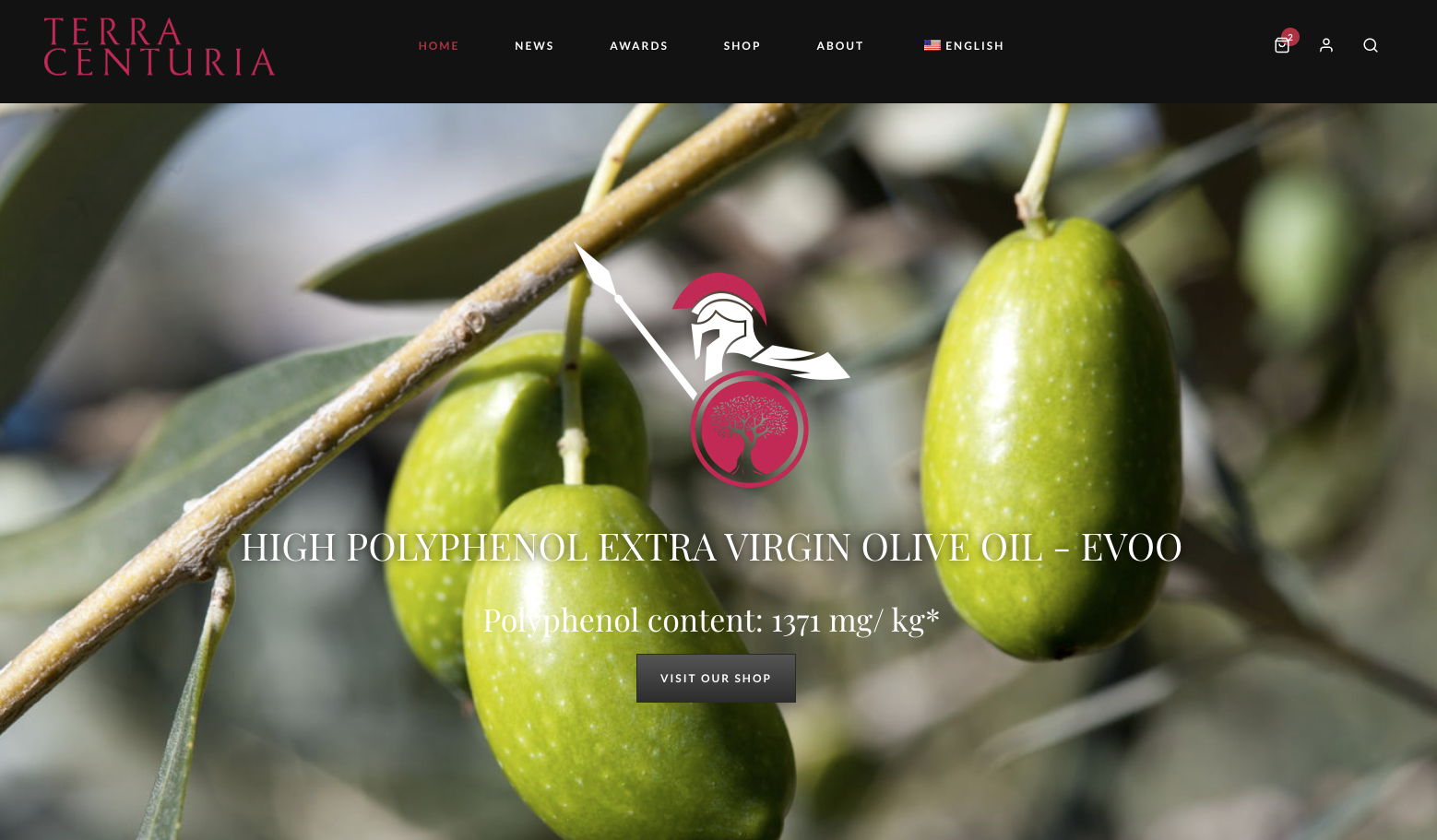
Ready to experience the health benefits of truly exceptional cold pressed olive oil? Terra Centuria offers artisan extra virgin olive oil from Slovenian Istria with verified 1,371 mg/kg polyphenol content, far exceeding typical industry standards.
Our transparent sourcing ensures you receive organically cultivated oil produced through traditional methods that maximize antioxidant retention. Each bottle represents centuries of regional expertise combined with modern quality verification.
Explore our high polyphenol organic EVOO selection backed by laboratory testing and organic certification. We provide complete transparency about harvest dates, phenolic content, and production methods.
Pro Tip: Choosing certified organic and lab-verified EVOO like Terra Centuria ensures you receive maximum health benefits without gambling on unsubstantiated marketing claims.
Discover how traditional Slovenian Istrian craftsmanship creates superior nutritional profiles. Learn more about the health benefits of Terra Centuria oils through our educational resources and detailed product information.
Our organic olive oil selection process guarantees that every bottle meets strict quality standards from grove to table. Experience the difference that genuine high-polyphenol olive oil makes for your wellness journey.
Frequently Asked Questions
What is the difference between cold pressed and extra virgin olive oil?
Cold pressed describes the mechanical extraction method using temperatures below 27°C without chemical solvents. Extra virgin represents the highest quality grade requiring cold pressing plus strict chemical parameters including maximum 0.8% acidity and superior taste characteristics. All extra virgin oils are cold pressed, but not all cold pressed oils qualify as extra virgin. Learn more about the difference between cold pressed and extra virgin olive oil and why both designations matter for health benefits.
How can I verify the antioxidant content in cold pressed olive oil?
Request third-party laboratory test results showing exact polyphenol concentrations measured in mg/kg. Reputable producers provide this documentation transparently on their websites or upon request. Look for organic certification from recognized bodies and prefer brands with traceable sourcing from specific estates or regions. Research producer reputation through industry awards and expert reviews indicating consistent quality. Avoid products making vague antioxidant claims without quantifiable supporting data. Visit our guide on verifying polyphenol content in olive oil for detailed evaluation criteria.
What is the best way to store cold pressed olive oil to preserve its health benefits?
Store bottles in cool, dark locations away from heat sources and direct sunlight, maintaining temperatures between 14-18°C when possible. Keep containers tightly sealed between uses to minimize oxygen exposure that degrades polyphenols. Use oil within 12-18 months of harvest date for optimal antioxidant retention. Transfer remaining oil to progressively smaller bottles as you consume it, reducing air space that accelerates oxidation. Never refrigerate olive oil, as temperature fluctuations and condensation promote quality degradation. Review our best practices for olive oil storage for comprehensive preservation guidelines.
How much cold pressed olive oil should I consume daily for health benefits?
Clinical studies demonstrate measurable benefits from consuming 20-30 grams daily, approximately 1.5 to 2 tablespoons. This amount provides sufficient polyphenols to reduce inflammation markers and support cardiovascular health when part of a balanced diet. Use olive oil as your primary fat source in salad dressings, drizzled over finished dishes, or mixed into dips. Consistent daily consumption matters more than occasional large amounts, as antioxidant protection requires sustained intake.
Does heating cold pressed olive oil destroy its health benefits?
High heat above 180°C degrades heat-sensitive polyphenols, reducing antioxidant content significantly. Cold pressed extra virgin olive oil works best for low to medium heat cooking, finishing dishes, or raw applications like dressings. The smoke point of quality EVOO ranges from 190-210°C, suitable for most cooking methods except deep frying. To maximize health benefits, add olive oil after cooking or use gentle heating methods that preserve phenolic compounds. Reserve your highest-quality oils for raw applications where their full nutritional profile remains intact.
Recommended
- Antioxidant-Rich Olive Oil: Wellness and Flavor – Terra Centuria
- First Cold Pressed EVOO: 90% More Antioxidants in 2026 – Terra Centuria
- Why Choose Extra Virgin Olive Oil: Antioxidant Impact – Terra Centuria
- High Polyphenol Olive Oil: Unlocking Potent Health Benefits – Terra Centuria
- Artisanal Gin Tips: Unlock 25% More Botanical Flavor – GIN NIRO