TL;DR:
- Olive oil craftsmanship involves careful decisions throughout production, from early harvesting to cold extraction, to preserve flavor and health benefits. It produces higher-quality, traceable oils with richer aroma and polyphenol content, unlike mass-produced refined oils. Recognizing genuine artisan oils requires attention to harvest date, origin, extraction temperature, and sensory markers, emphasizing quality over cost.
Olive oil craftsmanship is the dedicated practice of producing premium extra virgin olive oil through a precise combination of traditional farming, selective harvesting, and expert milling techniques designed to preserve flavour, aroma, and nutritional value. The industry term for this approach is artisan olive oil production, and it stands in direct contrast to the industrial refining methods that dominate supermarket shelves. Understanding what separates a truly handcrafted oil from a mass-produced one begins in the grove, long before the first olive is pressed. Every decision, from pruning the trees to choosing the harvest date, shapes the character of the final oil in ways that no amount of post-production correction can replicate.
What is olive oil craftsmanship and why does it matter?
Olive oil craftsmanship is the sum of all deliberate, skill-driven decisions made throughout the production cycle, from grove management and seasonal timing through to bottling and storage. It is not a single technique but a philosophy: that quality is built incrementally, and that shortcuts at any stage permanently diminish the result. Craftsmanship encompasses the entire production cycle, including grove management and seasonal decision-making, which form the foundation of every quality oil.
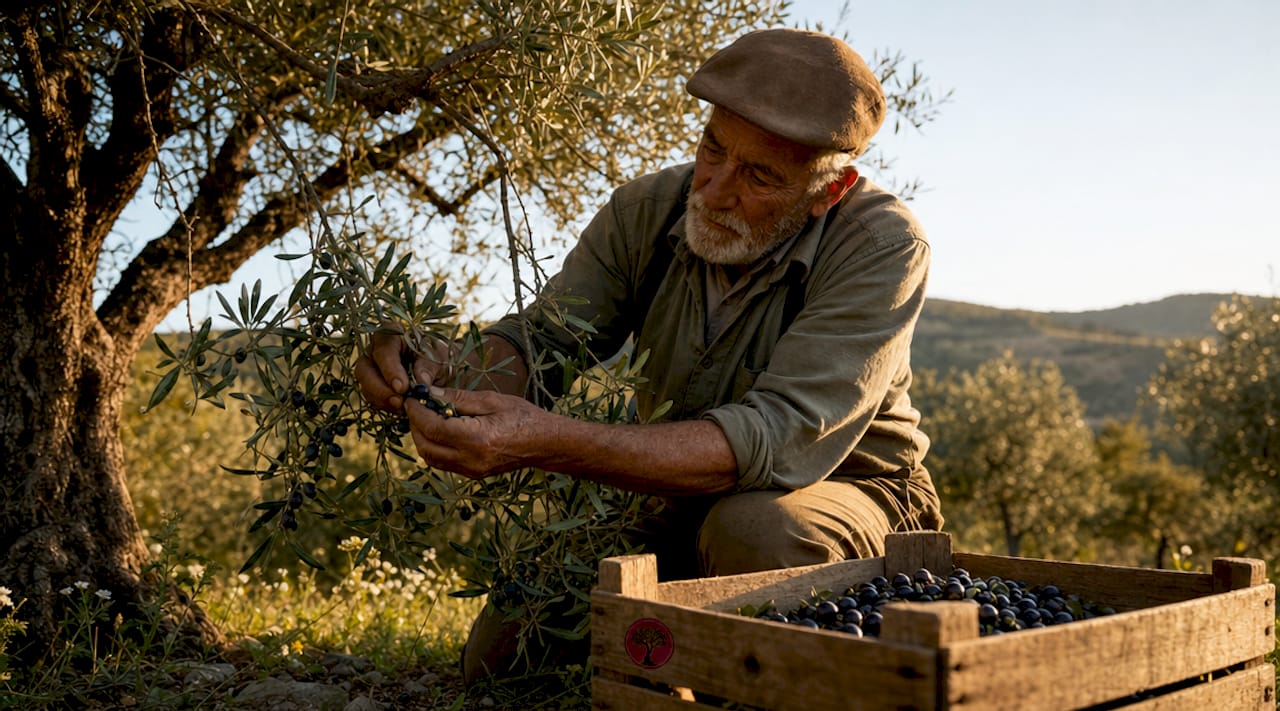
What makes this matter to you as a food culture enthusiast is the direct sensory payoff. A well-crafted extra virgin olive oil from a single estate in Slovenian Istria, Tuscany, or the Peloponnese delivers flavours that a blended, industrially processed oil simply cannot. You taste the terroir, the variety, and the producer’s choices in every spoonful. That complexity is not accidental. It is the product of accumulated knowledge, seasonal attentiveness, and a refusal to prioritise volume over character.
How is olive oil made: key steps in artisanal production
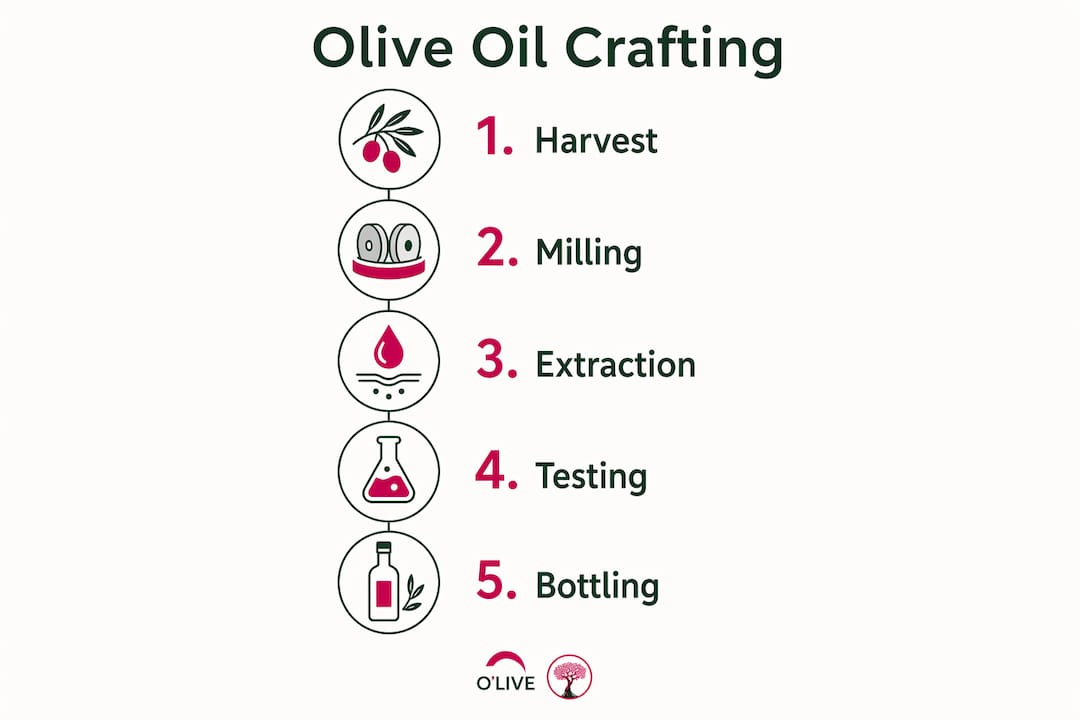
The artisan olive oil production process follows a clear sequence, and the quality of the final oil is only as strong as the weakest step in that chain.
Harvesting. Artisan producers harvest early, manually or with small handheld tools, to prevent fruit damage that triggers fermentation and off-flavours. Early harvest yields less volume but significantly higher polyphenol concentrations, producing intensely aromatic and vibrant oils. The trade-off in quantity is a deliberate choice, not an oversight.
Transport and reception. Olives must reach the mill quickly. Processing within 24 hours of harvest keeps free fatty acid levels and polyphenol content stable, even when mechanical harvesting is used. Delay causes the fruit to heat and oxidise in the crates, introducing defects before milling even begins.
Milling. Traditional stone mills crush olives slowly, generating minimal heat and preserving delicate aromatic compounds. Modern hammer mills are faster but require careful temperature management to achieve comparable results. Neither method is inherently superior; the skill lies in controlling the process.
Cold extraction. Extraction below 27°C protects the phenolic compounds, volatile aromas, and antioxidants that define high-quality extra virgin olive oil. Temperatures above this threshold degrade these compounds rapidly, producing a flatter, less nutritious oil regardless of how well the olives were grown.
Separation and filtration. Centrifuges separate oil from water and solids. Artisan producers often choose minimal filtration to retain more of the oil’s natural character, accepting a shorter shelf life in exchange for greater complexity.
Storage. Oil is stored in stainless steel tanks under inert gas, away from light and heat, until bottling. This stage is as critical as any other. Poor storage undoes every careful decision made before it.
Pro Tip: When visiting a producer or reading about their methods, ask specifically about the time between harvest and milling. Any gap longer than 24 hours is a red flag, regardless of how traditional the rest of the process claims to be.
What quality standards and testing define handcrafted extra virgin olive oil?
True extra virgin olive oil is not simply a marketing label. It is a legally defined category with specific chemical and sensory thresholds that must be met simultaneously.
On the chemical side, quality parameters include free acidity and oxidation indices measured in accredited laboratories according to International Olive Council (IOC) regulations. Free acidity must fall below 0.8% oleic acid, and peroxide values must remain within defined limits. These numbers reflect how carefully the olives were handled and how quickly they were processed.
Sensory evaluation is equally binding. Trained sensory panels detect fruity, bitter, and pungent attributes that indicate quality, while confirming the complete absence of defects such as mustiness, rancidity, or a winey character. An oil that passes the chemistry but fails the panel cannot be classified as extra virgin. This dual requirement is what makes the standard genuinely meaningful.
Here is how artisan oils compare to industrial alternatives across the key markers:
| Quality marker | Artisan extra virgin | Industrial refined oil |
|---|---|---|
| Free acidity | Below 0.8% | Often above 0.8% before refining |
| Polyphenol content | High (often 300+ mg/kg) | Low to negligible after refining |
| Sensory profile | Fruity, bitter, pungent | Neutral, flat |
| Processing temperature | Below 27°C | High heat used in refining |
| Harvest to mill time | Under 24 hours | Variable, often days |
Common signals of authenticity on labels include:
- A specific harvest date (not just a best-before year)
- Named origin or single estate designation
- Certification from bodies such as the IOC, PDO (Protected Designation of Origin), or organic certification authorities
- Polyphenol content stated in mg/kg
Understanding olive oil grades means recognising that “pure olive oil” and “light olive oil” are refined products. They are not inferior versions of extra virgin. They are fundamentally different products made through a different process.
How does olive oil craftsmanship preserve health and flavour benefits?
The health case for artisan olive oil rests on polyphenols, the plant compounds responsible for the characteristic peppery finish and much of the oil’s antioxidant activity. Early harvest produces higher polyphenol levels and creates intensely aromatic oils that reflect the full vitality of the fruit. Waiting until olives are fully ripe increases yield but allows polyphenol concentrations to fall sharply.
Cold extraction is the second critical variable. When extraction temperatures exceed 27°C, phenolic compounds and volatile aromatics degrade, producing an oil that may still pass basic chemical tests but lacks the depth and health properties of a genuinely cold-extracted product. The difference is measurable in the bottle and perceptible on the palate.
Single-estate and single-variety oils add another dimension. Premium oils express terroir, the unique combination of soil, climate, and variety that gives each oil its distinct character. A Buža olive from Slovenian Istria tastes different from a Koroneiki from Crete or a Picual from Andalusia, and that difference is a direct record of the producer’s environment and choices.
Industrial methods sacrifice these qualities for volume and cost efficiency. High-temperature extraction, blending across origins, and extended storage before bottling all reduce polyphenol content and flatten flavour. The result is a consistent, inoffensive product that bears little resemblance to what the olive actually contained.
Packaging choices complete the picture. Dark bottles and tins slow oxidation, protecting polyphenols and aroma compounds from light degradation. An artisan producer who invests in careful harvesting and cold extraction but bottles in clear glass has undermined their own work.
Pro Tip: Store your oil in a cool, dark cupboard rather than next to the hob. Heat and light are the two fastest routes to a flat, stale oil, regardless of how well it was made.
Key benefits that artisan production directly preserves include:
- Higher polyphenol and antioxidant concentrations
- Greater aromatic complexity from intact volatile compounds
- Authentic expression of olive variety and growing region
- Longer effective shelf life when stored correctly
- Traceability from a specific grove and harvest season
How to recognise authentic olive oil craftsmanship when buying or tasting
Identifying genuine artisan production at the point of purchase requires reading labels with specific intent rather than responding to marketing language.
Check the harvest date. A best-before date alone tells you nothing about freshness. A harvest date tells you exactly how old the oil is. Extra virgin olive oil is at its best within 18 months of harvest.
Look for origin specificity. “Product of the EU” or “blend of Mediterranean oils” signals industrial blending. A named estate, village, or region indicates traceability and producer accountability.
Interpret extraction claims carefully. “Cold pressed” and “cold extracted” both indicate low-temperature processing, but cold extraction using a centrifuge is the more common modern method. What matters is the temperature statement, ideally confirmed as below 27°C.
Taste for craft markers. A genuine extra virgin olive oil should deliver fruitiness on the nose, a slight bitterness on the mid-palate, and a peppery finish at the back of the throat. That peppery sensation is oleocanthal, a polyphenol with documented anti-inflammatory properties. Its absence in an oil labelled extra virgin is a warning sign.
Treat price as a signal. Single-origin, recent-harvest oils with verified quality credentials cannot be produced at the price point of supermarket own-brand oils. A suspiciously low price for a product claiming artisan credentials almost always reflects a compromise somewhere in the process.
Pro Tip: Pour a small amount into a glass, warm it briefly in your palm, and smell before tasting. The aroma should be green, grassy, or fruity depending on variety. A flat or musty smell indicates defects that no amount of good labelling can disguise.
Key takeaways
Olive oil craftsmanship produces measurably superior oil through early harvesting, cold extraction below 27°C, and dual laboratory and sensory verification that industrial methods cannot replicate.
| Point | Details |
|---|---|
| Early harvest is non-negotiable | Harvesting before full ripeness maximises polyphenol content and aromatic intensity. |
| Cold extraction protects quality | Temperatures above 27°C degrade antioxidants and flatten flavour permanently. |
| Dual testing confirms authenticity | Both chemical analysis and trained sensory panels are required for genuine extra virgin classification. |
| Terroir defines character | Single-estate oils express the specific grove, variety, and climate in ways blended oils cannot. |
| Packaging completes the craft | Dark bottles and tins preserve polyphenols and aroma after all production effort has been made. |
Why I think most people underestimate what goes into a bottle of good olive oil
Most food culture conversations about olive oil stop at “extra virgin is better.” That framing misses almost everything that actually matters. The real story is in the decisions made before the oil ever reaches a bottle, and most of those decisions are invisible to the consumer.
What strikes me most about genuinely skilled producers is the willingness to accept lower yields in exchange for higher quality. Harvesting early, by hand or with careful mechanical assistance, costs more and produces less. There is no financial incentive to do it unless you genuinely believe the result justifies the effort. That belief, expressed consistently across an entire season, is what craftsmanship actually looks like in practice.
The challenge facing artisan producers today is not technical. The knowledge exists. The equipment exists. The challenge is economic and cultural. Industrial oils undercut artisan prices by margins that make honest comparison almost impossible for the average shopper. Until consumers learn to read a harvest date as fluently as they read a wine vintage, the market will continue to reward volume over quality.
Terracenturia’s approach to high-polyphenol olive oil from Slovenian Istria represents exactly the kind of producer commitment worth supporting. The oils are traceable, tested, and produced with the kind of seasonal attentiveness that the craft demands. Tasting one alongside a generic supermarket oil is the fastest education available on what craftsmanship actually delivers.
— Mak
Discover Terracenturia’s artisan extra virgin olive oils
Terracenturia produces certified high-polyphenol EVOO from Slovenian Istria using early harvest, cold extraction below 27°C, and full laboratory and sensory verification. Every bottle is traceable to a specific grove and harvest season, with polyphenol content documented and independently verified. If you want to taste what genuine olive oil craftsmanship produces, the organic selection process behind each oil is explained in full on the website. This is not marketing language. It is the production record of a producer who treats every step of the process as consequential.
FAQ
What is olive oil craftsmanship in simple terms?
Olive oil craftsmanship is the practice of producing extra virgin olive oil through deliberate, skill-driven decisions at every stage, from grove management and early harvesting to cold extraction and careful storage. The goal is to preserve the olive’s natural polyphenols, aroma, and flavour rather than maximise volume.
Is olive oil refined or unrefined in artisan production?
Genuine artisan extra virgin olive oil is unrefined. Refining uses heat and chemical processes to neutralise defects, which also removes polyphenols, antioxidants, and flavour. Artisan production avoids defects through careful handling rather than correcting them after the fact.
How does cold extraction affect olive oil quality?
Cold extraction below 27°C preserves the phenolic compounds, volatile aromatics, and antioxidants that define high-quality extra virgin olive oil. Higher temperatures degrade these compounds during processing, producing a flatter and less nutritious oil.
What should I look for on an olive oil label?
Look for a specific harvest date, a named single origin or estate, a cold extraction temperature statement, and ideally a stated polyphenol content in mg/kg. These markers indicate traceability and producer accountability rather than generic marketing claims.
Why do artisan olive oils cost more than supermarket oils?
Artisan production involves early manual harvesting, rapid milling within 24 hours, cold extraction, and individual quality testing, all of which increase cost per litre compared to industrial methods. The extra virgin quality standards that genuine artisan oils meet require investment that mass-market pricing cannot support.