
Choosing extra virgin olive oil for your health can feel overwhelming when polyphenol content varies dramatically between products. Many bottles on store shelves contain only 50 to 150 mg/kg of these vital antioxidants, falling short of levels proven to deliver meaningful health benefits. This guide helps you identify and select high polyphenolic EVOO with validated therapeutic properties, understand the science behind polyphenol benefits, and learn how traditional production methods preserve these powerful compounds for maximum wellness impact.
Table of Contents
- How To Choose High Polyphenolic Extra Virgin Olive Oil: Key Selection Criteria
- Top Health Benefits Of High Polyphenolic Evoo
- Traditional Production Methods And Their Impact On Polyphenol Content
- Comparing High Polyphenolic Evos: Polyphenol Levels And Health Effects
- Maintaining Health Benefits: Best Practices For Storage And Usage
- Which High Polyphenolic Evoo Should You Choose? Situational Recommendations
- Explore Certified High Polyphenol Extra Virgin Olive Oils At Terra Centuria
- Frequently Asked Questions
Key takeaways
| Point | Details |
|---|---|
| Minimum polyphenol threshold | Extra virgin olive oil has higher polyphenol content and antioxidant properties than regular or refined olive oil, with ≥250 mg/kg required for health claims and therapeutic effects increasing above 500 mg/kg. |
| Antioxidant and anti-inflammatory power | Polyphenols reduce oxidative stress and inflammation, supporting cardiovascular and brain health with effects comparable to pharmaceutical interventions. |
| Traditional production preserves benefits | Early harvest timing and cold pressing methods retain maximum polyphenol levels without heat or chemical degradation. |
| Storage protects potency | Dark glass bottles and proper storage away from heat and light maintain antioxidant properties and prevent polyphenol loss. |
| Daily intake recommendations | Consuming approximately 25 mL of high polyphenol EVOO daily provides cardiovascular protection and neuroprotective advantages backed by clinical evidence. |
How to choose high polyphenolic extra virgin olive oil: key selection criteria
Selecting EVOO with genuinely high polyphenol content requires understanding specific measurable criteria that separate therapeutic oils from ordinary products. The European Food Safety Authority establishes that olive oils must contain at least 250 mg/kg of polyphenols to make health claims, but therapeutic effects become more pronounced at levels exceeding 500 to 1000 mg/kg.
Polyphenol levels vary dramatically based on harvest timing, olive variety, climate conditions, and extraction methods. Early harvest olives contain significantly more polyphenols than fully ripened fruit, though producers sacrifice yield for these enhanced health properties. Cold-pressed oils extracted without heat preserve delicate antioxidant compounds that degrade under high temperatures or chemical processing.
When shopping for high polyphenol olive oil, look for transparent labeling that includes specific polyphenol content measurements and harvest dates. Reputable producers provide this information prominently, demonstrating confidence in their product quality. Packaging in dark glass bottles protects oils from light exposure that accelerates oxidation and polyphenol degradation.
Key selection criteria include:
- Polyphenol content clearly stated at ≥250 mg/kg minimum, with premium oils ranging from 500 to over 1000 mg/kg
- Harvest date within the current or previous year to ensure freshness
- Cold extraction or cold-pressed designation confirming no heat damage
- Dark glass bottle packaging protecting against light degradation
- Organic certification indicating cultivation without synthetic pesticides
- Origin information specifying region and production methods
Pro Tip: Compare different types of olive oil and how to choose by requesting laboratory analysis certificates from producers. Legitimate high polyphenol producers readily share third-party testing results confirming their claims.
Top health benefits of high polyphenolic EVOO
The scientific evidence supporting high polyphenolic EVOO consumption continues growing, with research demonstrating multiple mechanisms through which these compounds protect health. Polyphenols function primarily as antioxidants, neutralizing free radicals and reducing oxidative stress that damages cells and contributes to chronic disease development.
Consuming extra virgin olive oil rich in polyphenols is associated with improved lipid profiles, including reductions in total cholesterol and increases in HDL cholesterol, thus enhancing cardiovascular health. These improvements occur through multiple pathways, including reduced LDL oxidation, improved endothelial function, and decreased arterial inflammation.
Oleocanthal, a specific polyphenol abundant in high quality EVOO, provides anti-inflammatory effects comparable to ibuprofen. This compound inhibits cyclooxygenase enzymes responsible for producing inflammatory mediators, offering natural inflammation management without pharmaceutical side effects. Regular consumption may reduce chronic inflammation underlying conditions from arthritis to metabolic syndrome.
Neuroprotective effects represent another compelling benefit, with high polyphenol EVOOs reducing intracellular reactive oxygen species and lipid peroxidation, key markers of oxidative stress linked to cognitive decline. Studies suggest these compounds may slow progression of neurodegenerative diseases by protecting brain cells from oxidative damage and supporting healthy neurological function.
Major health benefits include:
- Cardiovascular protection through improved cholesterol profiles and reduced arterial inflammation
- Antioxidant defense against cellular damage from free radicals and oxidative stress
- Anti-inflammatory effects reducing chronic inflammation markers throughout the body
- Neuroprotective properties supporting cognitive function and potentially slowing dementia progression
- Gut microbiome enhancement promoting digestive health and beneficial bacterial growth
- Blood sugar regulation improving insulin sensitivity and metabolic health markers
Integrating olive oil health tips into your daily routine amplifies these benefits when you choose oils with verified high polyphenol content and understand how to use olive oil for wellness effectively.
Traditional production methods and their impact on polyphenol content
Traditional olive cultivation and extraction methods directly influence the final polyphenol content of EVOO, with centuries-old practices often preserving more health-promoting compounds than modern industrial processing. Understanding these production factors helps you identify oils likely to deliver maximum therapeutic benefits.
Early harvesting sacrifices yield for higher antioxidants as polyphenol levels are higher in unripe olives. Green, early harvest olives contain two to three times more polyphenols than fully ripened black olives, though they produce less oil per kilogram. Producers committed to health-focused oils deliberately harvest early despite economic costs, prioritizing nutritional quality over quantity.
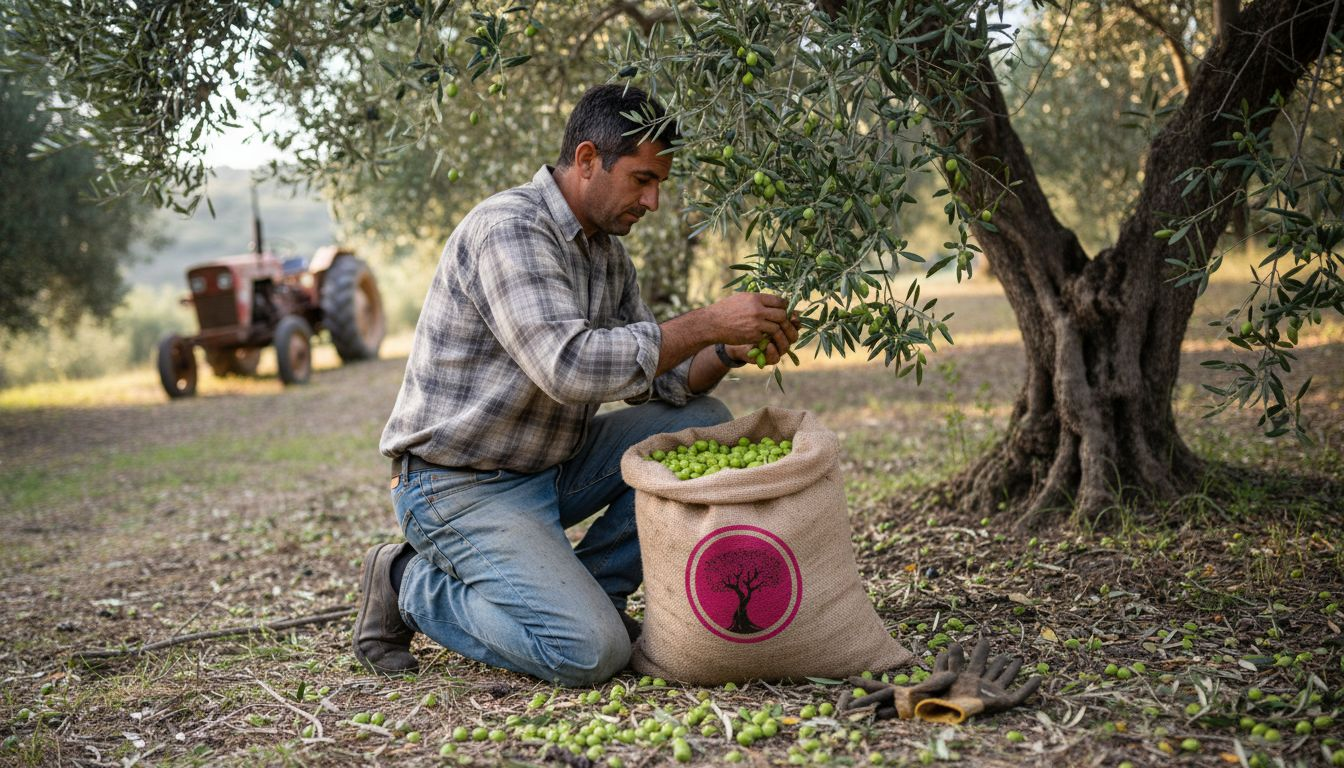
Cold pressing and cold extraction processes avoid heat exposure that degrades delicate polyphenolic compounds. Traditional stone mills and modern cold extraction systems maintain temperatures below 27°C (80°F), preserving bioactive molecules that would otherwise be destroyed. Industrial refining processes using heat and chemical solvents strip away these beneficial compounds, producing bland oils with minimal health properties.
Storage and packaging practices continue this preservation focus. Dark glass bottles block ultraviolet light that accelerates polyphenol oxidation, while nitrogen flushing before sealing removes oxygen that promotes rancidity. Temperature-controlled storage facilities maintain cool conditions that slow degradation processes.
Traditional production impacts include:
- Early harvest timing maximizing polyphenol synthesis before fruit ripening reduces content
- Cold extraction preserving temperature-sensitive antioxidant compounds without heat damage
- Single estate production allowing careful quality control throughout cultivation and processing
- Minimal processing time from harvest to bottling preventing oxidation and compound degradation
- Specific olive varieties bred for high polyphenol production rather than maximum yield
Exploring the organic olive oil selection process reveals how traditional methods align with organic certification requirements, while understanding cold pressed olive oil antioxidants demonstrates the preservation advantages of temperature-controlled extraction.
Comparing high polyphenolic EVOOs: polyphenol levels and health effects
Understanding the spectrum of polyphenol content across different EVOO categories helps you make informed purchasing decisions based on your specific health objectives. Standard commercial EVOOs typically contain 50 to 400 mg/kg polyphenols, meeting basic quality standards but falling short of therapeutic thresholds.
| EVOO Category | Polyphenol Content | Production Method | Primary Health Effects | Recommended Use |
|---|---|---|---|---|
| Standard commercial | 50-250 mg/kg | Late harvest, industrial processing | Minimal antioxidant benefits | Basic cooking |
| Premium quality | 250-500 mg/kg | Mixed harvest, cold extraction | Moderate cardiovascular support | Daily consumption |
| High polyphenolic | 500-800 mg/kg | Early harvest, traditional cold pressing | Strong antioxidant and anti-inflammatory effects | Therapeutic use, raw consumption |
| Ultra-premium therapeutic | 800-1371 mg/kg | Very early harvest, immediate cold extraction | Maximum cardiovascular and neuroprotective benefits | Targeted health intervention |
Consuming 25 mL of high-phenolic EVOO daily is commonly regarded as beneficial for cardiovascular protection, surpassing benefits from lower-polyphenol oils. This dosage provides approximately 125 to 250 mg of polyphenols when using oils in the 500 to 1000 mg/kg range, meeting therapeutic thresholds established in clinical research.
Key bioactive compounds vary significantly between oil categories. Hydroxytyrosol and tyrosol provide primary antioxidant effects, while oleocanthal delivers anti-inflammatory properties. Oleuropein derivatives contribute to cardiovascular protection and neuroprotection. Higher polyphenol oils contain greater concentrations of all these compounds, producing synergistic health benefits.
Comparison factors to evaluate:
- Total polyphenol content as the primary indicator of therapeutic potential
- Specific bioactive profiles showing hydroxytyrosol, oleocanthal, and oleuropein levels
- Harvest timing documentation confirming early harvest practices
- Packaging quality ensuring dark glass and proper sealing
- Third-party testing verification providing independent polyphenol analysis
Pro Tip: Terra Centuria high polyphenol EVOO offers oils with polyphenol content reaching 1371 mg/kg, placing them among the most potent high polyphenol olive oils available globally. This exceptional concentration delivers maximum health benefits with smaller serving sizes.
Maintaining health benefits: best practices for storage and usage
Preserving the polyphenol content of your premium EVOO after purchase requires attention to storage conditions and usage practices. Even the highest quality oils degrade when exposed to heat, light, or oxygen, losing their therapeutic properties over time.
Proper storage begins with keeping bottles in cool, dark locations away from stoves, windows, and other heat sources. Temperatures above 20°C (68°F) accelerate oxidation processes that break down polyphenolic compounds. Pantries or cupboards away from appliances provide ideal conditions, though refrigeration offers even better protection for long-term storage.
Light exposure, particularly ultraviolet wavelengths, catalyzes chemical reactions that degrade antioxidants. Dark glass bottles provide the first line of defense, but storing bottles inside cabinets adds an additional protective layer. Clear or light-colored bottles should be avoided entirely, regardless of other quality factors.
Oxygen contact initiates oxidative degradation immediately upon bottle opening. Minimize air exposure by:
- Purchasing bottles you can consume within two to three months after opening
- Sealing bottles tightly immediately after each use to limit oxygen contact
- Transferring oil to smaller bottles as levels decrease, reducing air space above the oil
- Considering specialized pourers with one-way valves that prevent air entry
- Avoiding decanting into decorative containers that lack proper sealing
Usage techniques preserve polyphenols during meal preparation. Raw applications in salad dressings, finishing drizzles, and dips maintain full antioxidant potency. Low to medium heat cooking preserves most polyphenols, though some degradation occurs above 180°C (356°F). High heat frying or roasting significantly reduces polyphenol content, wasting the premium you paid for therapeutic quality.
Pro Tip: Check harvest dates before purchasing and consume olive oil storage and usage guide recommendations within 18 months of harvest for optimal polyphenol retention. Fresher oils deliver better flavor and higher antioxidant content.
Which high polyphenolic EVOO should you choose? situational recommendations
Matching EVOO selection to your specific health goals, culinary preferences, and usage patterns ensures you receive maximum value from premium high polyphenol products. Different situations call for different oil characteristics, from polyphenol concentration to flavor intensity.
For cardiovascular support and cholesterol management, select oils with polyphenol content exceeding 500 mg/kg backed by specific hydroxytyrosol and oleocanthal measurements. Clinical studies demonstrating lipid profile improvements used oils in this range, making it the evidence-based threshold for heart health benefits. Daily consumption of 20 to 30 mL provides therapeutic dosing.
Neuroprotective applications targeting cognitive health and dementia prevention require early harvest oils particularly rich in oleocanthal. This compound shows specific benefits for brain health through its anti-inflammatory and amyloid-clearing properties. Ultra-premium oils with polyphenol content above 800 mg/kg deliver concentrated oleocanthal doses with smaller serving sizes.
Culinary applications involving cooking benefit from robust, stable high polyphenol oils that retain antioxidants under medium heat. Choose oils with polyphenol content in the 400 to 600 mg/kg range, balancing thermal stability with cost effectiveness. Reserve ultra-premium oils for raw applications where heat won’t compromise their exceptional polyphenol content.
Raw consumption in salad dressings, vegetable dips, and finishing drizzles maximizes health benefits from the highest polyphenol oils available. Ultra-premium selections with content exceeding 1000 mg/kg provide intense flavor alongside maximum antioxidant delivery. The characteristic peppery throat sensation indicates high oleocanthal content.
Recommendations by priority:
- Heart health focus: 500+ mg/kg polyphenols, documented cardiovascular benefits, 25 mL daily
- Brain health emphasis: 800+ mg/kg polyphenols, high oleocanthal content, early harvest
- Cooking applications: 400-600 mg/kg polyphenols, robust flavor, good heat stability
- Raw consumption: 1000+ mg/kg polyphenols, ultra-premium quality, intense bioactive profile
- Authenticity and sustainability: Organic olive oil selection from traditional producers like Terra Centuria ensuring ethical cultivation
Explore certified high polyphenol extra virgin olive oils at Terra Centuria
Putting this knowledge into practice starts with sourcing genuinely high polyphenol EVOO from producers committed to transparency and traditional quality. Terra Centuria specializes in organically certified extra virgin olive oils with exceptional polyphenol content reaching up to 1371 mg/kg, placing their products among the most potent therapeutic oils available.
Every bottle comes from early harvest olives grown in Slovenian Istria using sustainable cultivation practices, then cold-pressed within hours of picking to preserve maximum antioxidant compounds. Third-party laboratory testing verifies polyphenol content, giving you confidence in the health benefits you’re purchasing. Transparent labeling provides harvest dates, polyphenol measurements, and origin information.
Explore their premium EVOO collections to discover oils matching your specific health objectives, whether cardiovascular protection, neuroprotection, or general wellness enhancement. The organic olive oil selection process ensures every bottle meets rigorous quality standards, while detailed information about antioxidant-rich olive oil benefits helps you understand exactly what you’re gaining. Terra Centuria high polyphenol EVOO combines traditional craftsmanship with modern quality verification, delivering the therapeutic benefits scientific research validates.
Frequently asked questions
What impact does polyphenol content have on olive oil health benefits?
Polyphenol content directly determines the antioxidant and anti-inflammatory potency of extra virgin olive oil. Oils with ≥250 mg/kg polyphenols meet minimum thresholds for health claims, while therapeutic effects increase substantially above 500 mg/kg. Higher polyphenol concentrations provide greater cardiovascular protection, stronger antioxidant defense, and more pronounced anti-inflammatory benefits through compounds like oleocanthal and hydroxytyrosol.
How can I verify the polyphenol level when buying olive oil?
Look for labels displaying specific polyphenol content measurements in mg/kg, ideally with third-party laboratory certification. Reputable producers provide harvest dates and detailed nutritional information demonstrating transparency. Request certificates of analysis from sellers if polyphenol content isn’t clearly stated on packaging, as legitimate high polyphenol producers readily share testing results.
Is high polyphenol olive oil suitable for cooking at high temperatures?
High polyphenol EVOO performs best when used raw or cooked at low to medium temperatures below 180°C (356°F). High heat cooking degrades delicate polyphenolic compounds, reducing the therapeutic benefits you paid premium prices to obtain. Reserve your highest polyphenol oils for salad dressings, finishing drizzles, and raw applications where antioxidants remain fully intact.
What makes traditional production methods better for EVOO health qualities?
Traditional practices like early harvesting and immediate cold pressing preserve maximum polyphenol content by avoiding heat damage and oxidation. Modern industrial refining uses high temperatures and chemical solvents that strip away antioxidant compounds, producing bland oils with minimal health properties. Traditional methods prioritize quality over quantity, accepting lower yields to deliver oils with therapeutic polyphenol concentrations exceeding 500 mg/kg.