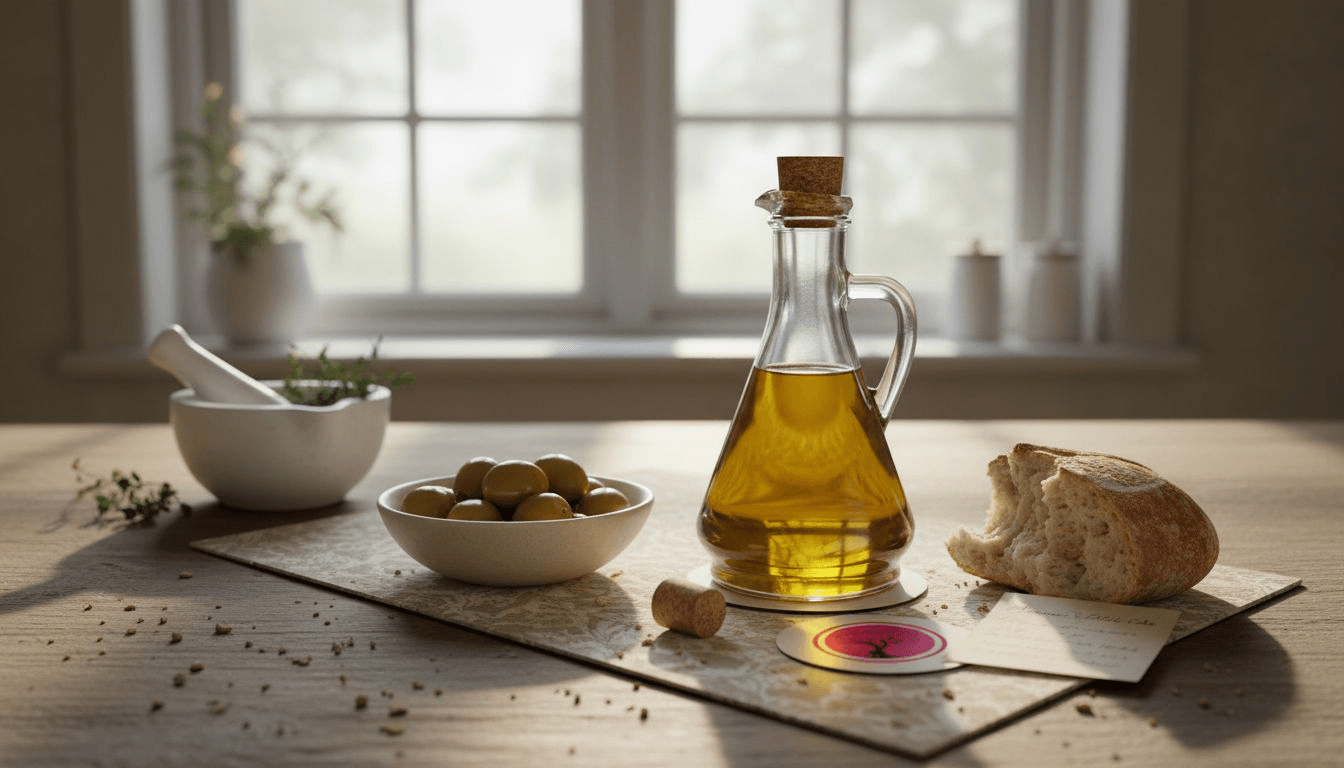
Choosing the right olive oil can feel overwhelming when every bottle claims to be healthy and flavorful. For health-conscious European consumers and gourmet cooks, the secret lies in selecting extra virgin olive oil packed with potent polyphenols and antioxidants. These natural compounds defend against oxidative stress and inflammation, offering real wellness and culinary advantages. Discover what makes antioxidant-rich olive oil stand out, how to recognize top-quality oils, and simple ways to get the best benefit from every drop.
Table of Contents
- What Makes Olive Oil Antioxidant-Rich
- Polyphenols and Their Role in Health
- How Production Methods Affect Antioxidant Levels
- Comparing Olive Oil to Other Fats
- Choosing the Best Antioxidant-Rich EVOO
Key Takeaways
| Point | Details |
|---|---|
| Olive Oil Processing Matters | The method of processing olive oil significantly impacts its antioxidant levels, with cold-pressed oils retaining more beneficial compounds compared to refined oils. |
| Polyphenol Concentration is Key | Aim for extra virgin olive oil with higher polyphenol concentrations, ideally certified organic and from early harvests, to maximize health benefits. |
| Storage Practices Affect Quality | Store olive oil in dark glass bottles away from light, heat, and air to preserve its antioxidant potency effectively. |
| Health Benefits of Polyphenols | Regular consumption of polyphenol-rich olive oil can lower the risk of cardiovascular diseases, offering protection comparable to some medications. |
What Makes Olive Oil Antioxidant-Rich
Olive oil’s antioxidant power comes from compounds that form during the olive’s growth and fruit development. The real magic happens when you harvest olives at the right ripeness and process them quickly—this preserves the beneficial compounds that degrade over time.
Phenolic compounds are the main players here. These natural molecules sit within olive oil and work as defenders against oxidative stress in your body. Think of them as tiny shields protecting your cells from damage.
Polyphenolic content varies dramatically between olive oils. Extra virgin olive oil (EVOO) contains significantly higher amounts than refined oils because the minimal processing keeps these delicate compounds intact. Cold-pressed oils retain more polyphenols than heat-treated varieties.
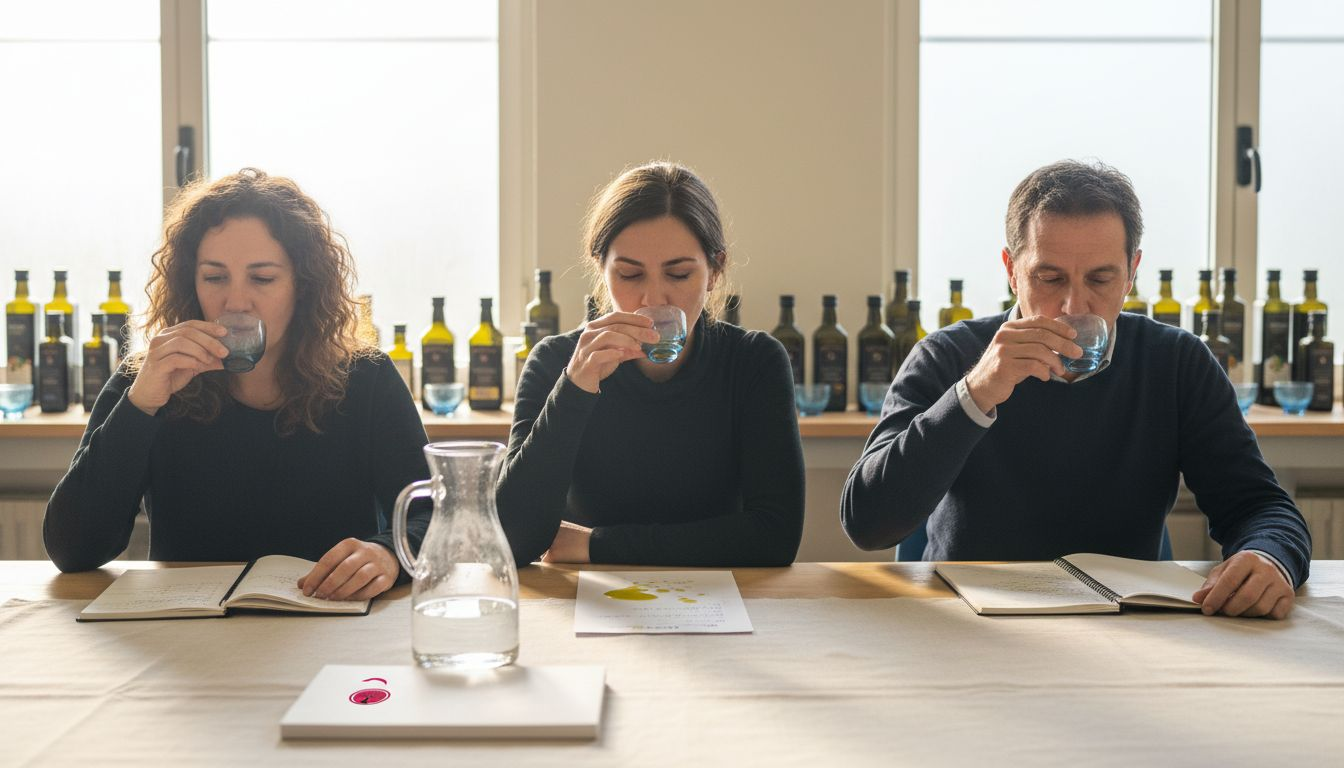
The Key Antioxidant Players
Several compounds work together to create olive oil’s antioxidant profile:
- Oleocanthal: A powerful polyphenol linked to cardiovascular protection and reducing inflammation
- Oleuropein and derivatives: Compounds that provide bitter, peppery flavors while fighting oxidative stress
- Tocopherols: Vitamin E compounds that stabilize the oil and protect cells
- Other phenolic compounds: Minor but meaningful contributors to overall antioxidant strength
The unique composition of fatty acids and bioactive compounds in olive oil makes it stand out from other oils. Most oils contain fats, but olive oil carries this protective cocktail of minor components alongside them.
Why Processing Matters for Antioxidants
How olive oil gets made directly affects antioxidant levels. Cold-pressed methods use no heat, keeping polyphenols stable and strong. Mechanical extraction preserves what refined production destroys.
Fresh oils taste better and work harder for your health. Older oils lose their antioxidant punch gradually—another reason to use quality olive oil within 18 months of harvest.
The difference between a premium antioxidant-rich EVOO and a standard oil can be 300% or more in polyphenol content—making variety selection genuinely important for wellness goals.
Variety and Growing Conditions Create Differences
Not all olive varieties contain equal antioxidants. Certain cultivars naturally produce higher polyphenol levels than others. Mediterranean Istrian varieties, for example, are known for exceptional antioxidant concentration.
Climate, soil, altitude, and harvesting timing all influence the final antioxidant levels. Olives picked earlier in the season contain more phenolic compounds than fully ripe fruit. Understanding why extra virgin olive oil delivers superior antioxidant benefits helps explain why premium oils command their price.
Storage conditions matter too. Light, heat, and air degrade antioxidants. Dark glass bottles protect the oil’s potency far better than clear containers.
Pro tip: Store your antioxidant-rich olive oil in a cool, dark cupboard away from direct sunlight, and consume it within 18 months of the harvest date to maximize the polyphenol benefits your body receives.
Polyphenols and Their Role in Health
Polyphenols are where olive oil’s real health magic happens. These plant-derived compounds work at the cellular level, fighting damage and inflammation that most people never see happening inside their bodies.
When you consume polyphenols, they don’t just sit passively. They actively neutralize harmful molecules called free radicals before those molecules can damage your cells. This protective action reduces oxidative stress—the underlying factor in aging and chronic disease.
How Polyphenols Defend Your Body
Polyphenols exhibit strong antioxidant properties that work through multiple pathways simultaneously. They neutralize reactive oxygen species, reduce inflammation, and influence how your cells signal each other.
This multi-layered approach makes polyphenols uniquely powerful. A single polyphenol molecule can trigger cascading protective effects throughout your body.
Key health benefits include:
- Cardiovascular protection: Reduced blood pressure and improved cholesterol profiles
- Anti-inflammatory effects: Lower systemic inflammation linked to chronic disease
- Neuroprotection: Support for brain health and cognitive function
- Cancer risk reduction: Evidence suggests polyphenol consumption correlates with lower cancer rates
- Metabolic support: Better blood sugar management and insulin sensitivity
The Science Behind Polyphenol Health Benefits
Plant-derived polyphenols modulate oxidative stress and cellular signaling pathways that influence major health outcomes. Consumption of these compounds is strongly associated with reduced risks of cardiovascular diseases, cancer, and neurodegenerative disorders.
This isn’t theoretical. Large-scale studies tracking Mediterranean diet followers—who consume significant polyphenols from olive oil—show dramatically lower rates of heart disease and cognitive decline compared to populations eating standard Western diets.
Why Olive Oil Polyphenols Stand Out
Not all polyphenol sources are equal. Extra virgin olive oil contains specific polyphenols, particularly oleocanthal and oleuropein, that your body readily absorbs and utilizes. These compounds create the distinctive peppery sensation in high-quality oils.
Refined oils lose these compounds during processing, which is why premium, cold-pressed varieties deliver superior health benefits. You’re not just getting fat; you’re getting a pharmaceutical-grade wellness compound.
Consuming antioxidant-rich olive oil regularly may reduce cardiovascular disease risk by up to 30%—a benefit comparable to some medications, but from whole food.
The bioavailability challenge matters too. Your body absorbs polyphenols better when consumed with fat—which means olive oil delivery is nearly optimal. The fat in olive oil carries polyphenols across your intestinal barrier more efficiently than isolated supplements.
Pro tip: Use your high-polyphenol olive oil raw or at low temperatures in salads and dressings to preserve all polyphenols, since heat exposure reduces their concentration and effectiveness.
How Production Methods Affect Antioxidant Levels
The difference between a bottle of olive oil with exceptional antioxidant power and a mediocre one often comes down to how it was made. Every step from harvest to bottling either preserves or destroys those precious polyphenols.
Production isn’t just about extracting oil from olives. It’s about protecting the compounds your body needs while removing everything that doesn’t serve you.
The Critical Role of Temperature Control
Heat treatment during processing degrades antioxidant compounds, which is why cold-pressed methods produce superior results. Optimized processing preserves phenols, tocopherols, and carotenoids that synthetic alternatives cannot replicate.
Cold extraction keeps temperatures below 27°C (approximately 80°F) throughout the entire process. This gentle approach maintains antioxidant integrity that refined oils lose during high-heat processing.
Warm malaxation—the mixing phase—can happen at controlled, moderate temperatures to enhance extraction without destroying delicate compounds. The difference between 25°C and 35°C can mean 40% variance in final polyphenol content.
Harvest Timing Creates Major Differences
Olives picked early in the season contain higher polyphenol concentrations than fully ripe fruit. Earlier harvests mean greener oils with more bitter, peppery notes—the signature of high-antioxidant olive oil.
Later harvests produce milder flavors but significantly lower antioxidant levels. This trade-off explains why premium producers deliberately choose earlier picking despite lower yield per tree.
Processing Factors That Preserve Antioxidants
Agronomic factors like olive maturation and technological factors like malaxation temperature significantly influence antioxidant content. Several specific practices matter:
- Mechanical extraction only: Avoid centrifuges with excessive heat settings
- Minimal malaxation time: Shorter mixing preserves more compounds
- Fast processing: Olives should go from tree to press within hours
- Nitrogen protection: Inert gas prevents oxidation during storage
- Dark glass storage: Light exposure degrades polyphenols rapidly
Why Industrial Refining Destroys Antioxidants
Refined oils undergo bleaching, heating to 200°C or higher, and chemical treatment. These aggressive steps strip away virtually all polyphenols while creating a neutral, shelf-stable product.
The antioxidants that survive this process are negligible compared to extra virgin oils. You’re essentially consuming pure fat without the wellness compounds.
The difference between extra virgin and refined olive oil can be 10-fold in polyphenol content—making processing method your single most important purchase decision for health benefits.
Organic certification also correlates with higher antioxidant levels. Organic farmers use agronomic practices that stress the plant slightly, forcing it to produce more protective compounds as a survival mechanism.
Pro tip: Check the harvest date on your bottle—oils from the current season contain significantly more antioxidants than those sitting for a year, so prioritize fresher harvests for maximum wellness benefits.
Comparing Olive Oil to Other Fats
When you line up olive oil against butter, vegetable oil, coconut oil, and other cooking fats, the nutritional profile tells a completely different story. Most fats are just calories. Olive oil is medicine.
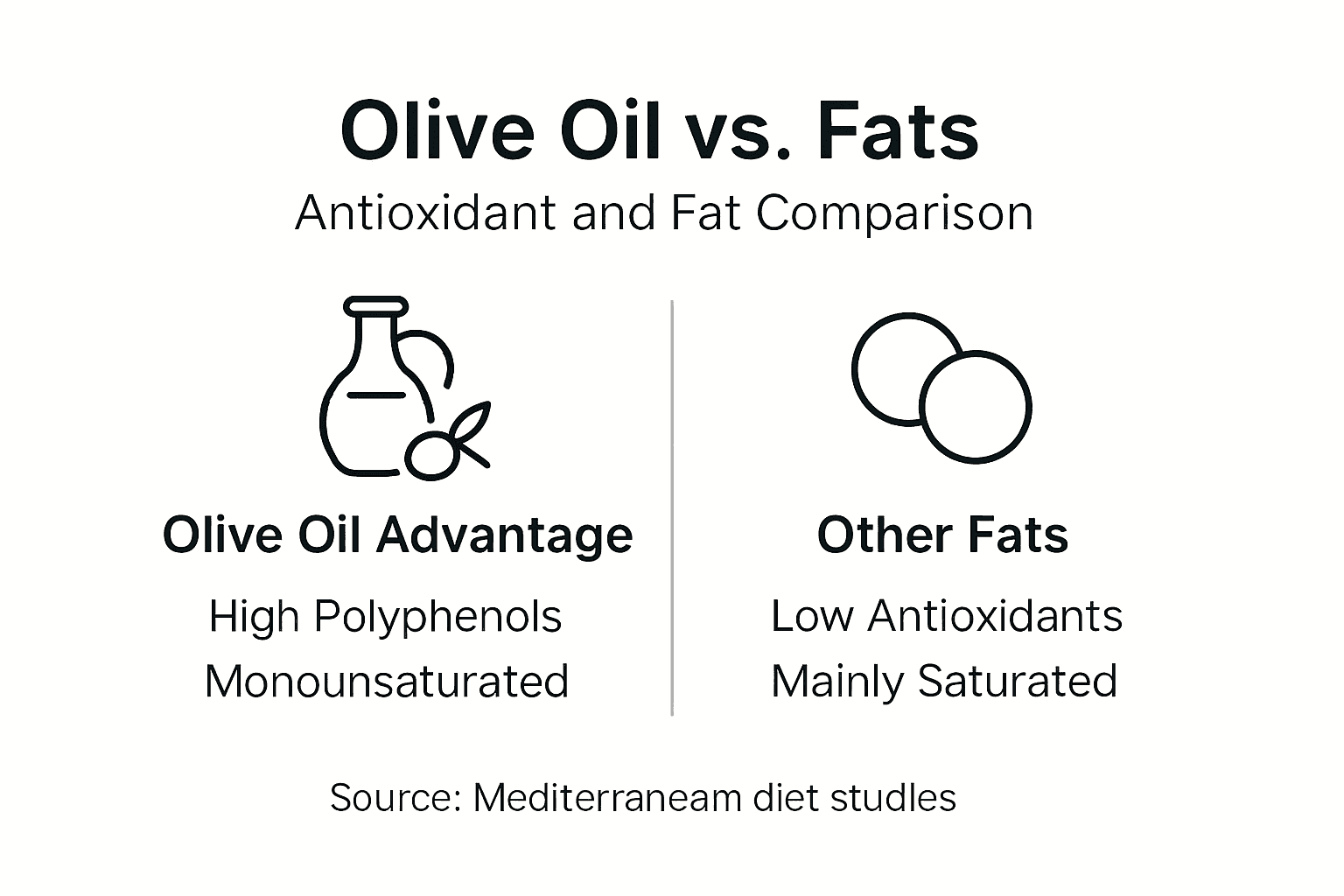
The critical difference lies in what accompanies the fat molecules. Oleic acid and polyphenols in extra virgin olive oil offer distinct health benefits compared to other fats that lack these protective compounds.
The Antioxidant Advantage
Most cooking oils contain virtually zero polyphenols. Refined vegetable oils, canola oil, and seed oils go through extraction and bleaching processes that strip away any minor antioxidants they once had.
Olive oil, especially extra virgin, retains powerful antioxidants that your body recognizes and uses immediately. These polyphenols defend against cellular damage that other fats cannot address.
Butter contains minimal antioxidants. Coconut oil has some minor polyphenols but nowhere near olive oil’s concentration. The gap between olive oil and standard cooking oils approaches 1,000% in polyphenol content.
Cardiovascular Protection Comparison
Olive oil polyphenols improve HDL cholesterol and moderately reduce LDL cholesterol, supporting cardiovascular health better than many other dietary fats. This isn’t theoretical—Mediterranean populations consuming daily olive oil show 30% lower heart disease rates than those using refined oils.
Saturated fats like butter can raise LDL cholesterol. Vegetable oils high in omega-6 polyunsaturated fats promote inflammation when consumed in excess. Olive oil balances your lipid profile while reducing inflammation simultaneously.
Key Nutritional Differences
Compare these fats side by side:
- Extra virgin olive oil: 72% monounsaturated fat, hundreds of polyphenols, powerful antioxidants
- Butter: 62% saturated fat, minimal antioxidants, inflammatory in excess
- Refined vegetable oil: 60% polyunsaturated fat, zero polyphenols, omega-6 dominant
- Coconut oil: 87% saturated fat, minor polyphenols, raises LDL cholesterol
- Avocado oil: 71% monounsaturated fat, moderate polyphenols, good alternative
Olive oil pairs monounsaturated fat with bioactive compounds. This combination is why Mediterranean diet research consistently shows superior health outcomes.
Here’s a side-by-side comparison of the main fat sources and their antioxidant profiles:
| Fat Source | Antioxidant Content | Main Fat Type |
|---|---|---|
| Extra virgin olive oil | High polyphenols, vitamin E | Monounsaturated fat |
| Butter | Very low antioxidants | Saturated fat |
| Refined vegetable oil | Near zero polyphenols | Polyunsaturated fat |
| Coconut oil | Minimal polyphenols | Saturated fat |
| Avocado oil | Moderate polyphenols | Monounsaturated fat |
Why Processing Matters in Comparison
Refined oils undergo high-heat processing that destroys any beneficial compounds. Extra virgin olive oil skips this step, preserving what makes fat genuinely healthy.
When you compare refined olive oil to vegetable oil, the difference becomes minimal. Both lose their protective compounds. This is why “olive oil” marketing can be misleading—quality and processing method determine actual health benefit.
Extra virgin olive oil provides cardiovascular protection comparable to statins in some studies, while refined oils offer no such benefit—making your choice of fat genuinely transformative for health outcomes.
Olive oil’s antioxidant profile makes it the gold standard for health-conscious cooking. Other fats simply cannot compete once you understand what your body actually needs.
Pro tip: Reserve your premium antioxidant-rich olive oil for raw applications like salads and drizzling, and use it to replace butter and refined oils in your diet to maximize cardiovascular benefits from every meal.
Choosing the Best Antioxidant-Rich EVOO
Not all extra virgin olive oils deliver equal antioxidant power. The difference between a mediocre bottle and a premium one comes down to specific markers you can actually evaluate before buying.
Your goal is straightforward: find oils with the highest polyphenol concentration, preferably from early harvests and certified organic sources. This combination guarantees maximum antioxidant potency.
Look for Polyphenol Concentration on Labels
Certified organic, early harvest oils tend to have higher polyphenol contents, and nutrition labels indicating polyphenol concentrations help consumers choose high-quality EVOOs. When shopping, seek bottles displaying actual milligrams of polyphenols per liter.
A premium antioxidant-rich EVOO contains 250-400+ milligrams of polyphenols per liter. Standard oils typically contain 75-150 milligrams. This numerical difference translates directly to health benefits your body receives.
Manufacturers who measure and display polyphenol content are demonstrating transparency and confidence in their product. Avoid oils without this information—they likely don’t measure it because the number would be disappointingly low.
Harvest Date Matters More Than You Think
Early harvest oils, typically September through November in the Northern Hemisphere, contain significantly more polyphenols than late-harvest varieties. The peppery, slightly bitter taste signals high antioxidant concentration.
Check the label for harvest date, not just “best by” date. An oil harvested three months ago contains more antioxidants than one from nine months prior. Ideally, purchase oils less than six months old.
Younger oils taste fresher and work harder for your wellness. If the harvest date isn’t listed, the producer may be hiding an older harvest—a red flag worth avoiding.
Key Selection Criteria
When evaluating antioxidant-rich EVOO, prioritize these factors:
Use this table to quickly evaluate which EVOO choices maximize your antioxidant benefits:
| Selection Factor | Impact on Antioxidant Levels | Why It Matters |
|---|---|---|
| Early harvest | Highest polyphenol content | More potent health benefits |
| Organic certified | More antioxidants produced | Healthier, resilient olives |
| Cold-pressed | Minimizes compound loss | Preserves delicate molecules |
| Dark glass bottle | Reduces light degradation | Keeps oil fresh and powerful |
- Organic certification: Indicates superior farming practices that increase polyphenol production
- Early harvest designation: Explicitly states olives were picked early for higher antioxidants
- Polyphenol measurement: Look for 250+ milligrams per liter on the label
- Recent harvest date: Within 6-12 months of purchase for maximum potency
- Dark glass bottle: Protects polyphenols from light degradation
- Cold-pressed method: Avoids heat damage to delicate compounds
- Single-origin source: Typically indicates smaller producers with quality control
Why Flavor Profile Indicates Antioxidant Power
High polyphenol content contributes to bitter and peppery flavors in antioxidant-rich EVOOs. If an olive oil tastes buttery and mild, it contains minimal polyphenols.
That peppery sensation at the back of your throat? That’s oleocanthal and other polyphenols working. Gourmet enthusiasts actually prefer this taste profile because they understand what it represents nutritionally.
Don’t dismiss oils that taste bold and complex. Embrace them. Your antioxidant intake depends on it.
Storage Affects What You’re Buying
Proper storage preserves the antioxidants you’re paying premium prices to obtain. Light, heat, and air degrade polyphenols rapidly, which is why storage method matters.
Dark glass bottles protect oil far better than clear containers. Plastic bottles allow light penetration and oxidation. Stainless steel containers are acceptable for commercial storage but less ideal for home use.
Antioxidant-rich EVOO stored correctly maintains 80% of its polyphenol potency for 18 months, but improper storage can reduce effectiveness by 50% in just six months.
Once opened, consume your premium oil within two months. Exposure to air accelerates degradation. Store in a cool, dark cupboard, never above the stove.
Pro tip: Purchase smaller bottles (250-500ml) rather than large ones, and buy fresh stock seasonally after each harvest to ensure maximum polyphenol potency in every dose of antioxidant-rich olive oil you consume.
Discover the True Power of Antioxidant-Rich Olive Oil with Terra Centuria
If you have been seeking ways to boost your wellness with natural, antioxidant-rich foods, the challenge often lies in finding authentic extra virgin olive oil that delivers high polyphenol content and genuine health benefits. As the article explains, factors like early harvest timing, cold-pressed methods, and proper storage are critical to preserving these protective compounds. Many standard oils miss the mark, leaving consumers without the potent antioxidants their body needs.
At Terra Centuria, we specialize in high-polyphenolic EVOO produced in Slovenian Istria, where traditional craftsmanship meets rigorous quality standards. Our organic, cold-pressed olive oils retain powerful phenolic compounds such as oleocanthal and oleuropein—ingredients scientifically linked to cardiovascular protection, reduced inflammation, and metabolic support. By choosing our premium oils, you are choosing a natural source of wellness backed by heritage and sustainability.
Experience the unique flavor and health-protective qualities that set our products apart. Explore our collection of antioxidant-rich extra virgin olive oils and learn how our traditional methods retain the compounds that modern industrial oils lose.
Don’t wait to transform your diet with genuine wellness from olive oil crafted to preserve its polyphenol potency. Visit Terra Centuria today and take the first step towards elevating both your health and your palate with nature’s finest antioxidant-rich olive oils.
Frequently Asked Questions
What are the main antioxidants in olive oil?
The main antioxidants in olive oil are phenolic compounds, including oleocanthal, oleuropein, tocopherols, and other minor phenolic compounds. These molecules help protect your cells from oxidative stress and inflammation.
How does processing affect the antioxidant content in olive oil?
Processing methods significantly impact antioxidant levels. Cold-pressed olive oils retain more polyphenols because they use minimal heat, while refined oils lose many beneficial compounds during high-heat processing and chemical treatments.
How should I store olive oil to preserve its antioxidants?
To preserve antioxidants in olive oil, store it in a cool, dark cupboard away from direct sunlight. Use dark glass bottles, and aim to consume the oil within 18 months of the harvest date for maximum potency.
Why is extra virgin olive oil better for health compared to refined olive oil?
Extra virgin olive oil contains higher polyphenol concentrations and beneficial compounds that refined oils lack. This makes EVOO more effective in providing health benefits like cardiovascular protection and anti-inflammatory effects.
Recommended
- 6 Olive Oil Health Tips for Wellness and Gourmet Living – Terra Centuria
- 6 Key Advantages of Organic Olive Oil for Foodies – Terra Centuria
- Polyphenolic Olive Oil: Unlocking Its Antioxidant Power – Terra Centuria
- Why Choose Extra Virgin Olive Oil: Antioxidant Impact – Terra Centuria
- Herbata a zdrowie – wyjaśnienie