
Many consumers believe blended olive oils deliver the same health benefits as monovarietal varieties. Research shows that monovarietal oils contain 20-40% higher polyphenol levels, translating to significantly stronger antioxidant protection. Understanding what monovarietal olive oil is and why it matters empowers you to make informed choices that align with your health and gourmet goals.
Table of Contents
- Understanding Monovarietal Olive Oil: Definition and Botanical Specificity
- How Olive Cultivar Influences Antioxidant Profiles and Health Benefits
- Traditional Production Practices and Their Role in Quality and Antioxidant Retention
- Common Misconceptions About Monovarietal Vs Blended Olive Oils
- Regional Heritage: The Slovenian Istria Example in Premium Monovarietal EVOO
- Sensory Analysis and How to Taste Monovarietal Olive Oil
- Authenticity Verification and Buying Guide for Monovarietal Olive Oils
- Discover Premium Monovarietal Olive Oils at Terra Centuria
Key Takeaways
| Point | Details |
|---|---|
| Single Cultivar Source | Monovarietal oils come from one olive cultivar, creating unique flavors and higher antioxidant concentrations. |
| Traditional Production Advantage | Cold-press methods boost antioxidant retention by up to 30% versus industrial processing. |
| Superior Polyphenol Content | Monovarietal oils typically contain 20-40% more polyphenols than blended versions, enhancing health benefits. |
| Authenticity Verification | PDO certifications and awards help confirm genuine quality and origin. |
| Distinct Sensory Profiles | Each cultivar offers recognizable taste characteristics, aiding confident selection. |
Understanding Monovarietal Olive Oil: Definition and Botanical Specificity
Monovarietal olive oil is produced exclusively from one single olive cultivar, which defines its unique flavor and chemical profile. This single cultivar origin creates a specific chemical fingerprint that distinguishes each oil from blended alternatives. When you purchase a monovarietal oil, you’re getting the pure expression of one olive variety’s characteristics.
Blended oils combine multiple cultivars to achieve consistency across batches. While this approach offers reliability, it dilutes the distinctive qualities and often reduces polyphenol concentrations. Multi-varietal oils follow a similar pattern, mixing several olive types to balance flavor.
Botanical specificity matters because each cultivar carries different levels of beneficial compounds. Understanding the cultivar helps you predict taste profiles and health qualities before opening the bottle. Labels meeting organic olive oil standards provide additional assurance of quality production methods.
Key identifying features include:
- Single cultivar name clearly stated on the label
- Origin designation linking to specific growing regions
- Harvest date indicating freshness and vintage
- Processing method details confirming cold extraction
- Chemical analysis showing polyphenol concentrations
The scientific foundation for monovarietal classification relies on verifiable cultivar genetics. Producers must maintain strict separation during harvest and processing to prevent cross-contamination.
How Olive Cultivar Influences Antioxidant Profiles and Health Benefits
Different olive cultivars carry vastly different polyphenol levels, directly affecting antioxidant activity in your body. Some Mediterranean varieties naturally produce olives with polyphenol concentrations exceeding 500 mg/kg, while others barely reach 150 mg/kg. This variation explains why choosing the right cultivar matters for maximizing health outcomes.
Higher polyphenol content correlates with reduced inflammation, better cardiovascular protection, and enhanced cellular defense against oxidative stress. Research demonstrates that oils rich in hydroxytyrosol and oleocanthal provide the strongest anti-inflammatory effects. These compounds work synergistically to protect your cells from free radical damage.
Cultivars known for elevated antioxidants include:
- Koroneiki olives from Greece, averaging 400-500 mg/kg polyphenols
- Coratina from Italy, reaching up to 600 mg/kg in optimal conditions
- Picual from Spain, delivering robust phenolic compounds
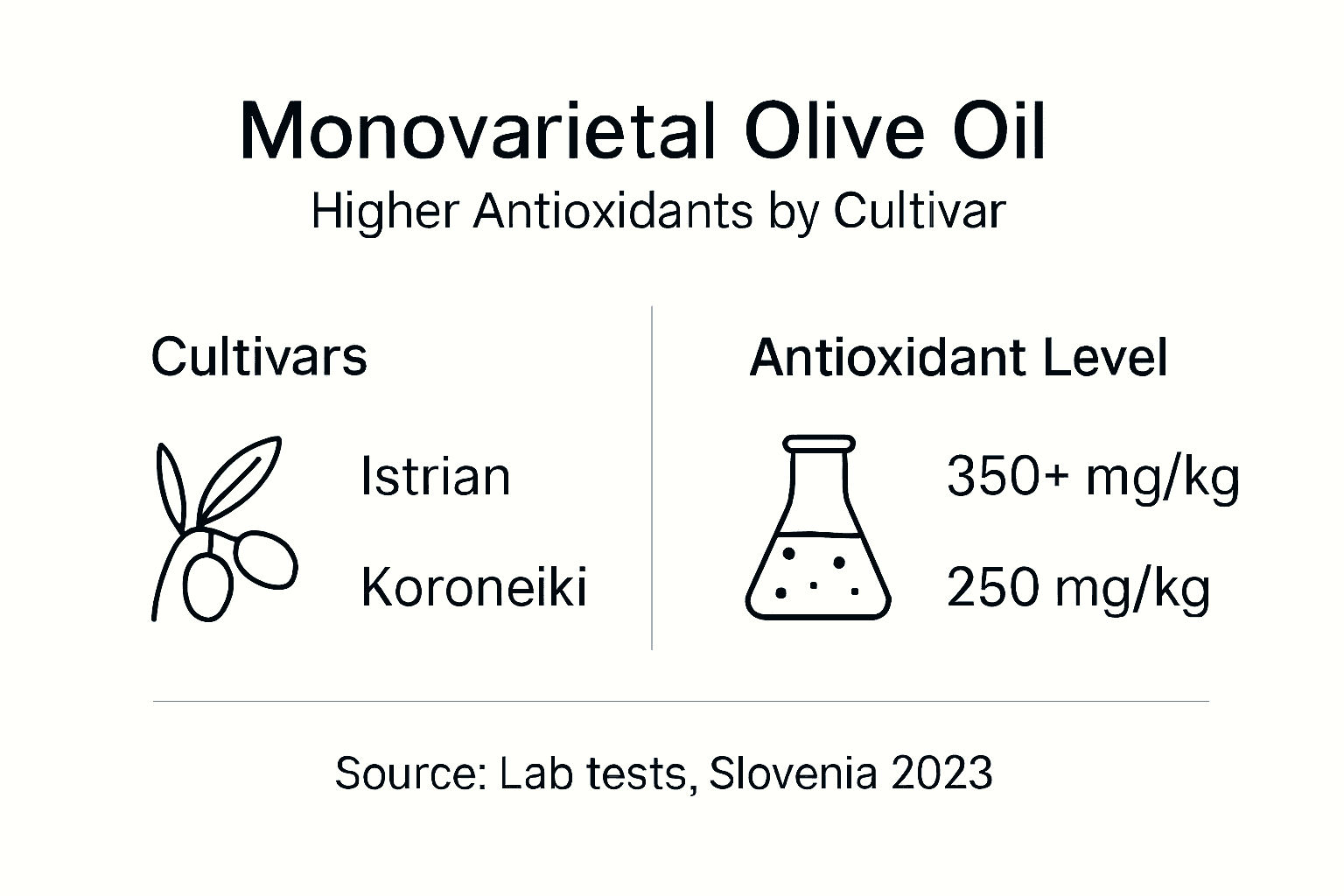
- Local Istrian varieties, achieving 350+ mg/kg with traditional methods
Traditional processing methods retain higher levels of natural antioxidants compared to industrial mass production techniques. Cold-pressing at temperatures below 27°C preserves delicate phenolic structures. Heat exposure during industrial extraction degrades these compounds by 30% or more.
Pro Tip: Check labels for lab-tested polyphenol content expressed in mg/kg. Values above 250 mg/kg indicate medium antioxidant strength, while 350+ mg/kg represents premium therapeutic levels.
The connection between cultivar selection and health outcomes extends beyond simple antioxidant counts. Specific phenolic profiles influence bioavailability and absorption rates in your digestive system. Understanding antioxidant benefits of polyphenols helps you appreciate why monovarietal oils deliver superior results. Learning about high polyphenol olive oil health benefits provides deeper insight into therapeutic applications.
Traditional Production Practices and Their Role in Quality and Antioxidant Retention
Traditional production begins with timing the harvest to capture olives at peak polyphenol development. Farmers monitor fruit maturity using color charts and oil content testing. Early harvest typically yields higher antioxidant concentrations, though with lower overall oil volume.
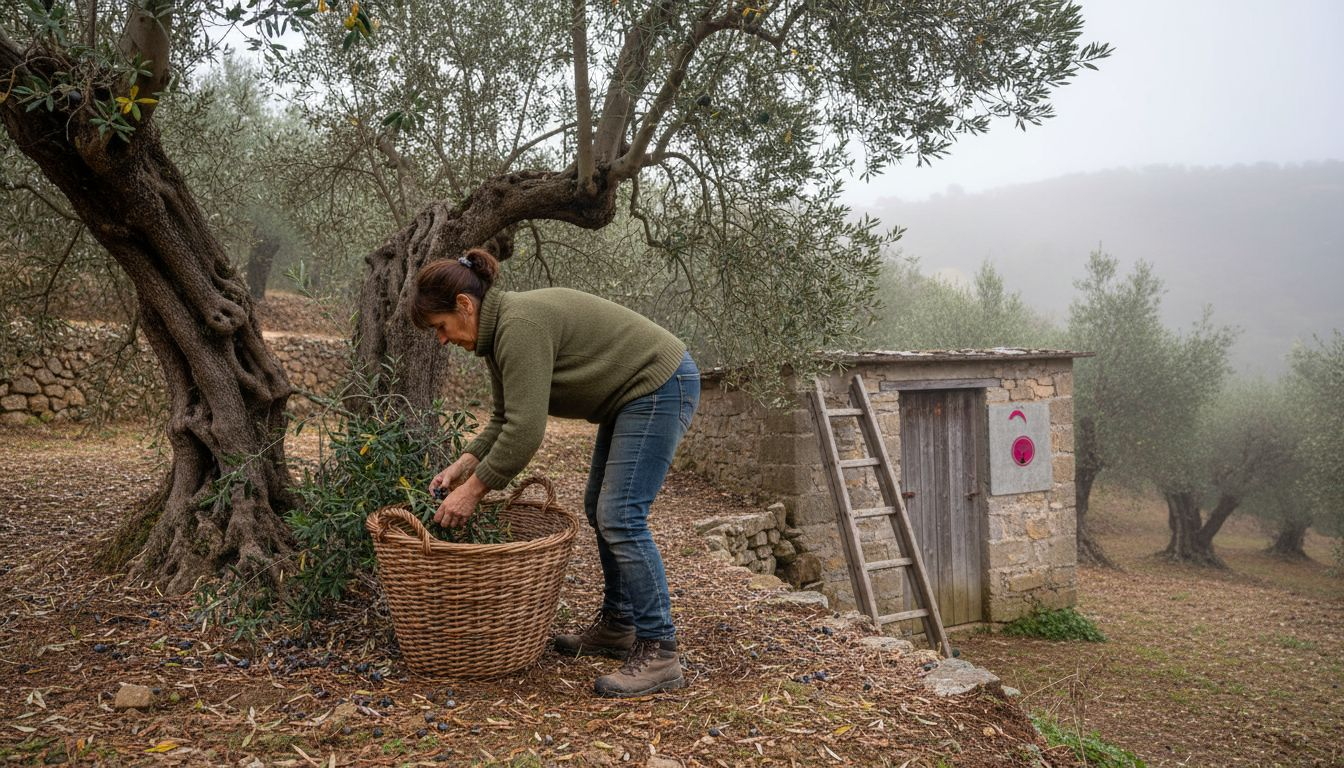
Cold-pressing immediately after harvest prevents oxidation and polyphenol degradation. Processing methods that minimize heat exposure retain up to 30% more beneficial compounds than industrial techniques. Gentle mechanical extraction preserves delicate phenolic structures that high-speed centrifuges destroy.
Organic cultivation supports healthier trees and superior fruit quality. Chemical fertilizers and pesticides stress olive trees, reducing their natural defense compounds. Trees grown without synthetic inputs produce olives with more concentrated polyphenols and better flavor complexity.
Craftsmanship elements that enhance quality include:
- Hand-selecting fruit to exclude damaged or overripe olives
- Processing within 2-4 hours of harvest to prevent fermentation
- Maintaining extraction temperatures strictly below 27°C
- Using traditional stone mills or modern low-speed crushers
- Storing finished oil in temperature-controlled stainless steel tanks
Small-batch production allows careful attention to detail impossible in industrial facilities. Artisan producers can adjust processing parameters based on each harvest’s unique characteristics. This flexibility results in consistently superior antioxidant retention and flavor development.
Pro Tip: Favor oils labeled both cold-pressed and organic for maximum antioxidant retention. These production standards work together to preserve therapeutic compounds from grove to bottle.
The organic olive oil selection process involves rigorous testing at multiple stages. Producers verify polyphenol levels, acidity, and peroxide values before releasing products. This commitment to quality assurance differentiates premium monovarietal oils from commodity alternatives.
Common Misconceptions about Monovarietal vs Blended Olive Oils
Myth: Blended oils offer the same health benefits as monovarietal varieties. Reality shows that monovarietal olive oils generally have 20-40% higher polyphenol levels, which are linked to greater antioxidant and health benefits. Blending dilutes the concentrated phenolic profiles that single-cultivar oils naturally possess.
Myth: All products labeled monovarietal contain authentic single-cultivar oil. Truth reveals that verified cultivar origin and certifications matter significantly. Some producers use misleading labels without proper documentation or testing to support their claims.
Myth: Production method doesn’t significantly impact health properties. Scientific evidence proves traditional processing preserves 30% more antioxidants than industrial high-heat extraction. Temperature control during crushing and pressing directly affects phenolic compound survival.
Myth: Monovarietal oils taste milder and less complex than blends. Sensory science demonstrates they often deliver more intense, distinctive flavors tied to cultivar genetics. Each variety expresses unique combinations of fruity, bitter, and peppery notes that blends deliberately mute.
Key misconceptions about quality markers:
- Price alone doesn’t guarantee authenticity or high polyphenols
- Dark bottles protect oil but don’t confirm superior antioxidant content
- “Extra virgin” status represents baseline quality, not premium characteristics
- Country of origin matters less than specific cultivar and production methods
- Older harvest dates reduce polyphenol levels regardless of monovarietal status
Consumers often assume blended oils offer better value by combining multiple varieties. This logic fails when considering that therapeutic benefits correlate directly with polyphenol concentration. Lower antioxidant content means you need larger quantities to achieve similar health effects.
Understanding these misconceptions helps you navigate marketing claims and make evidence-based choices. The guide to high polyphenol olive oils provides detailed criteria for evaluating products beyond surface-level label information.
Regional Heritage: The Slovenian Istria Example in Premium Monovarietal EVOO
Slovenian Istrian monovarietal oils average above 350 mg/kg polyphenols, placing them among the world’s highest antioxidant olive oils. This Mediterranean microclimate combines ideal soil composition, temperature patterns, and rainfall to produce exceptionally healthy fruit. Local cultivars have adapted over centuries to maximize phenolic compound production.
Traditional and organic farming methods remain standard practice across Istrian groves. Small family producers maintain centuries-old cultivation techniques that prioritize quality over volume. These practices include minimal intervention, natural pest management, and hand-harvesting at optimal ripeness.
Terroir significantly influences both flavor and antioxidant profiles in this region. Mineral-rich soil imparts distinctive taste characteristics while supporting higher polyphenol synthesis in developing olives. Coastal breezes and moderate temperatures extend the growing season, allowing gradual maturation.
| Region | Average Polyphenols (mg/kg) | Primary Cultivars | Production Method |
|---|---|---|---|
| Slovenian Istria | 350-450 | Istrska Belica, Črnica | Traditional cold-press |
| Tuscany, Italy | 250-350 | Frantoio, Leccino | Mixed traditional/modern |
| Andalusia, Spain | 200-300 | Picual, Hojiblanca | Primarily industrial |
| Peloponnese, Greece | 300-400 | Koroneiki | Traditional stone mills |
Terra Centuria exemplifies these regional qualities through rigorous organic certification and traditional processing. Their production maintains strict temperature controls and immediate pressing schedules. Each batch undergoes laboratory testing to verify polyphenol concentrations before bottling.
The combination of superior cultivars, optimal growing conditions, and artisan craftsmanship creates oils with therapeutic potential beyond ordinary extra virgin standards. This regional heritage reflects generations of accumulated knowledge about maximizing olive health compounds.
Sensory Analysis and How to Taste Monovarietal Olive Oil
Sensory panels can accurately differentiate single cultivar oils based on specific flavor markers linked to genetics. Professional tasters identify cultivar characteristics with over 90% accuracy when oils are properly produced and stored. You can develop similar skills through systematic comparison and practice.
Flavors vary dramatically across cultivars. Fruity notes range from green apple and fresh grass to ripe tomato and artichoke. Bitterness indicates polyphenol presence and varies from subtle to intense. Peppery finish signals oleocanthal content, the compound responsible for anti-inflammatory effects.
Tasting technique fundamentals include:
- Pour 1-2 tablespoons into a small glass and warm with your palm
- Swirl gently to release aromatic compounds into the headspace
- Inhale deeply to assess fruity, herbaceous, or floral notes
- Sip and spread across your tongue to evaluate flavor complexity
- Aspirate air through the oil to amplify taste sensations
- Note the finish intensity and duration of peppery throat sensation
Comparing oils side by side reveals subtle differences that individual tastings miss. Select 2-3 monovarietal oils from different cultivars for direct comparison. Cleanse your palate between samples using water and plain bread or apple slices.
Freshness indicators include vibrant green or golden color, grassy or fruity aromas, and pronounced peppery finish. Defects present as musty, rancid, or metallic flavors that signal oxidation or poor storage. Complex flavor layers suggest careful production and proper cultivar expression.
The olive oil tasting and evaluation guide provides structured frameworks for developing your sensory skills. Regular tasting builds flavor memory that helps you recognize quality and authenticity instantly.
Authenticity Verification and Buying Guide for Monovarietal Olive Oils
PDO (Protected Designation of Origin) certifications guarantee geographic origin and traditional production methods. These EU-regulated labels require documented proof of cultivar, location, and processing standards. PDO status provides legal protection against fraudulent labeling and mislabeling.
Lab-tested polyphenol levels confirm antioxidant strength claims on labels. Reputable producers publish batch-specific analysis showing total phenolic content in mg/kg. Values should come from independent laboratories using standardized testing methods like the Folin-Ciocalteu assay.
Awards from international competitions signal premium standards and expert validation. Competitions like the New York International Olive Oil Competition and Leone d’Oro employ trained panels following strict evaluation protocols. Multiple awards across different years indicate consistent quality.
Authenticity red flags to avoid:
- Vague labeling without specific cultivar names or origin details
- Suspiciously low prices compared to regional premium oil benchmarks
- Missing harvest dates or best-by information on bottles
- Generic marketing language without verifiable certifications
- Plastic bottles or clear glass that accelerates oxidation
- No contact information or traceable producer details
Genuine quality markers include:
- Named single cultivar prominently displayed on front label
- Specific harvest date and pressing date transparency
- Lab analysis results showing polyphenol content above 250 mg/kg
- Dark glass bottles or bag-in-box packaging protecting from light
- Producer contact details and estate/mill identification
- Third-party organic or PDO certification seals
| Authenticity Marker | What It Confirms | Red Flag Alternative |
|---|---|---|
| Lab-tested polyphenols | Actual antioxidant content | Vague “high in antioxidants” claims |
| PDO/PGI certification | Geographic origin, traditional methods | Generic “product of” country labels |
| Specific cultivar name | Single variety authenticity | “Blend of finest olives” language |
| Harvest date | Freshness and vintage | Missing or unclear date codes |
| Award recognition | Expert validation | Self-awarded or unverifiable medals |
Combine sensory evaluation with documentation review for confident purchasing decisions. Taste should align with cultivar characteristics described on the label. The high polyphenol olive oil buying guide and olive oil quality markers resources provide detailed selection criteria.
Discover Premium Monovarietal Olive Oils at Terra Centuria
Now that you understand what separates exceptional monovarietal oils from ordinary alternatives, explore options that deliver verified quality and therapeutic benefits. Terra Centuria specializes in high-polyphenol monovarietal EVOOs from Slovenian Istria, where traditional cold-press methods preserve maximum antioxidant content.
Each bottle undergoes rigorous lab testing to confirm polyphenol levels exceeding 350 mg/kg. Organic cultivation and immediate cold-pressing within hours of harvest ensure peak antioxidant retention. Detailed information about the organic olive oil selection process demonstrates the care invested in every batch. The comprehensive high polyphenol olive oil guide helps you match specific health goals with ideal cultivar characteristics, empowering confident choices aligned with your wellness priorities.
FAQ
What is the main difference between monovarietal and blended olive oils?
Monovarietal olive oil comes from a single olive cultivar, preserving that variety’s unique chemical fingerprint and concentrated polyphenol profile. Blended oils mix multiple cultivars to achieve flavor consistency and production efficiency, typically diluting antioxidant concentrations by 20-40%. Single-cultivar oils deliver more predictable health benefits and distinctive taste characteristics.
How can I verify if an olive oil is genuinely monovarietal?
Look for PDO certifications, specific cultivar names on labels, and published lab results showing polyphenol content. Genuine producers provide harvest dates, mill locations, and traceable batch information. Awards from recognized international competitions offer additional validation of authenticity and quality standards.
Why does traditional production matter for antioxidant levels in olive oil?
Traditional cold-pressing below 27°C preserves delicate phenolic compounds that industrial high-heat extraction destroys. Processing within 2-4 hours of harvest prevents oxidation that degrades polyphenols before bottling. Studies show traditional methods retain up to 30% more antioxidants compared to mass-production techniques that prioritize speed over compound preservation.
Can I taste the difference between monovarietal and blended olive oils?
Yes, monovarietal oils express distinctive flavor profiles tied to their single cultivar genetics. Each variety produces recognizable combinations of fruity, bitter, and peppery notes that trained panels identify with high accuracy. Blended oils deliberately balance these characteristics to create neutral, consistent flavors that mask individual cultivar expressions.
Recommended
- Why Choose Extra Virgin Olive Oil: Antioxidant Impact – Terra Centuria
- Polyphenolic Olive Oil: Unlocking Its Antioxidant Power – Terra Centuria
- High Polyphenol Olive Oil: Unlocking Potent Health Benefits – Terra Centuria
- 6 Types of Olive Oil and How to Choose the Healthiest – Terra Centuria
- Dried cranberries – Antioxidant with Polyphenols 70g – Granavitalis