
Chronic inflammation and oxidative stress quietly undermine your health, accelerating aging and increasing cardiovascular risk. Extra virgin olive oil rich in polyphenols offers a scientifically backed dietary solution to combat these threats. This guide explores how EVOO’s unique compounds protect your heart, reduce inflammation, and support metabolic wellness through simple daily use. You’ll discover which polyphenols matter most, how to select premium EVOO, and practical ways to integrate this functional food into your routine for measurable health improvements.
Table of Contents
- Key takeaways
- Understanding the antioxidant power of EVOO polyphenols
- How EVOO fights inflammation and supports metabolic health
- Incorporating EVOO into your diet for cardiovascular and metabolic wellness
- Explore high polyphenol EVOO for your wellness journey
- Frequently asked questions about EVOO health benefits
Key Takeaways
| Point | Details |
|---|---|
| Antioxidant polyphenols | EVOO polyphenols neutralize reactive oxygen species and protect LDL from oxidation while activating cellular antioxidant defenses. |
| High polyphenol content matters | Look for EVOO with total polyphenols above 400 mg per kg and prefer olives harvested early for maximum potency. |
| Anti inflammatory action | Oleocanthal mimics ibuprofen and provides anti inflammatory effects that support vascular health. |
| Daily intake guideline | A daily intake of 1 to 4 tablespoons is suitable for low to medium heat cooking and supports heart and metabolic health. |
Understanding the antioxidant power of EVOO polyphenols
Extra virgin olive oil contains a remarkable array of bioactive polyphenols that distinguish it from other cooking oils. The three most powerful compounds are hydroxytyrosol, oleuropein, and oleocanthal. These molecules work at the cellular level to neutralize reactive oxygen species before they damage DNA, proteins, and cell membranes. When you consume EVOO regularly, these polyphenols protect LDL cholesterol from oxidative modification, the critical first step in atherosclerosis development.
The European Food Safety Authority established a specific threshold for health claims: consuming 5 mg of hydroxytyrosol and derivatives per 20g of EVOO daily protects blood lipids from oxidative damage. This precise standard helps you evaluate which products deliver therapeutic levels of antioxidants. Premium EVOO can contain 250-800 mg of total polyphenols per kilogram, while lower quality versions may have less than 100 mg/kg. The concentration depends on olive variety, harvest timing, and processing methods.
Hydroxytyrosol stands out as the most potent antioxidant, with studies showing it’s 10 times more effective than green tea catechins at scavenging free radicals. Oleocanthal mimics the anti-inflammatory action of ibuprofen, creating that distinctive peppery throat sensation in high-quality EVOO. Oleuropein contributes bitter notes while providing additional cardiovascular protection. Together, these compounds create synergistic effects that exceed what any single antioxidant could achieve alone.
Pro Tip: Look for EVOO bottles that specify total polyphenol content in mg/kg. Products above 400 mg/kg deliver exceptional antioxidant benefits and typically come from early harvest olives processed within hours of picking.
The antioxidant mechanisms of EVOO extend beyond simple free radical scavenging. These polyphenols activate cellular defense systems, including the Nrf2 pathway that upregulates antioxidant enzyme production. Your cells essentially learn to protect themselves more effectively. Research demonstrates that EVOO polyphenols modulate gene expression related to oxidative stress response, creating lasting protective effects that persist between meals.
Key polyphenol benefits include:
- Neutralizing superoxide radicals and hydrogen peroxide before cellular damage occurs
- Preventing LDL oxidation that triggers arterial plaque formation
- Protecting endothelial cells lining blood vessels from oxidative injury
- Reducing oxidative stress markers like malondialdehyde and 8-isoprostane
- Enhancing activity of endogenous antioxidants including glutathione and superoxide dismutase
“The polyphenolic compounds in premium extra virgin olive oil represent nature’s most sophisticated antioxidant delivery system, providing multi-targeted cellular protection that synthetic supplements cannot replicate.”
Understanding these mechanisms helps you appreciate why polyphenolic olive oil deserves a central place in any health-focused diet. The protective effects accumulate with consistent use, making EVOO a long-term investment in cardiovascular and metabolic wellness.
How EVOO fights inflammation and supports metabolic health
Chronic low-grade inflammation drives metabolic dysfunction, insulin resistance, and cardiovascular disease. EVOO polyphenols interrupt inflammatory cascades at multiple points, offering comprehensive protection against these interconnected conditions. The primary mechanism involves inhibiting the NF-κB pathway, a master regulator of inflammatory gene expression. When this pathway stays suppressed, your cells produce fewer pro-inflammatory cytokines.
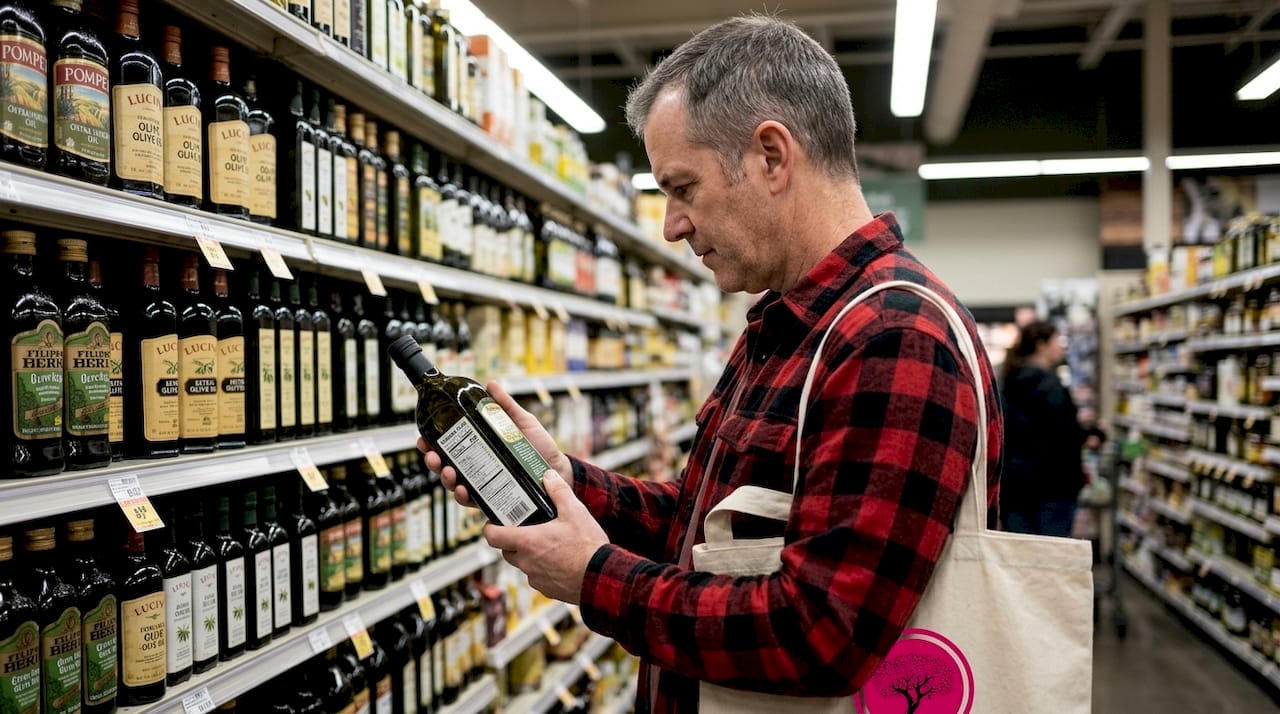
Clinical studies reveal impressive reductions in specific inflammatory markers with regular EVOO consumption. Participants consuming high-polyphenol EVOO show decreased levels of interleukin-1 beta (IL-1β) and tumor necrosis factor alpha (TNF-α), two cytokines strongly linked to cardiovascular events and metabolic syndrome. These aren’t subtle changes. Some trials document 20-30% reductions in circulating inflammatory markers after just 12 weeks of daily EVOO intake.
The metabolic benefits extend to blood sugar regulation. Research shows that high-polyphenol EVOO consumed over 100 days can decrease hemoglobin A1c (HbA1c), the gold standard marker for long-term glycemic control. This matters tremendously for anyone concerned about diabetes risk or managing existing metabolic challenges. The polyphenols improve insulin sensitivity, allowing cells to respond more effectively to insulin signals and maintain stable blood glucose levels.
Oleocanthal deserves special attention for its anti-inflammatory potency. This compound inhibits cyclooxygenase enzymes (COX-1 and COX-2) similar to non-steroidal anti-inflammatory drugs, but without the gastrointestinal side effects. The characteristic throat burn you experience with robust EVOO indicates high oleocanthal content. Stronger burn typically correlates with greater anti-inflammatory potential.
Pro Tip: Consume 2-3 tablespoons of high-polyphenol EVOO daily, preferably with meals containing vegetables. The fat enhances absorption of fat-soluble nutrients while the polyphenols work synergistically with plant compounds to amplify anti-inflammatory effects.
Key inflammatory markers affected by EVOO:
- C-reactive protein (CRP), a general inflammation indicator linked to heart disease risk
- Interleukin-6 (IL-6), elevated in metabolic syndrome and insulin resistance
- Adhesion molecules (VCAM-1, ICAM-1) that promote atherosclerotic plaque development
- Oxidized LDL antibodies indicating immune response to damaged cholesterol
- Lipoprotein-associated phospholipase A2, an emerging cardiovascular risk marker
The metabolic improvements go beyond inflammation reduction. EVOO consumption favorably alters lipid profiles, increasing HDL cholesterol while reducing triglycerides and small dense LDL particles. These changes translate to measurable cardiovascular risk reduction. Population studies following Mediterranean diet adherents show 30% lower rates of major cardiovascular events compared to low-fat diet groups, with EVOO as the primary fat source driving much of this benefit.
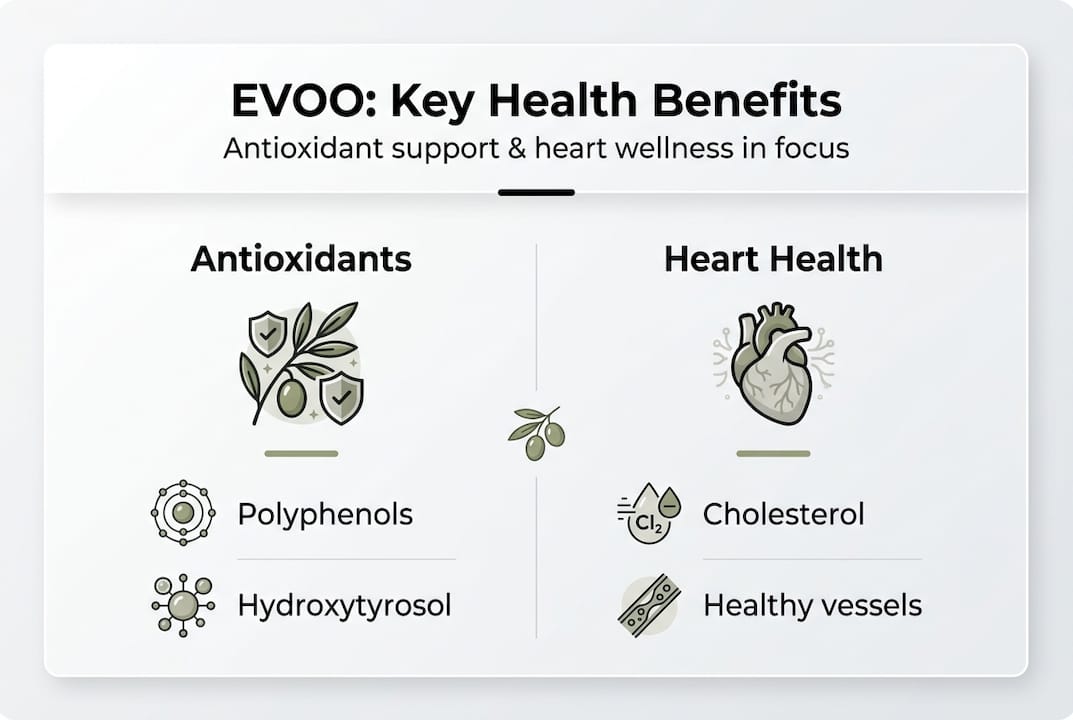
These anti-inflammatory and metabolic effects create a virtuous cycle. As inflammation decreases, insulin sensitivity improves. Better glucose control reduces oxidative stress. Lower oxidative stress means less inflammation. This interconnected web of benefits explains why EVOO consumption correlates with improved outcomes across multiple chronic diseases, from type 2 diabetes to neurodegenerative conditions.
Incorporating EVOO into your diet for cardiovascular and metabolic wellness
Transforming EVOO knowledge into daily practice requires understanding optimal uses, storage methods, and selection criteria. The right approach maximizes polyphenol intake while preserving the delicate compounds that deliver health benefits. Start by matching EVOO intensity to specific culinary applications for both nutritional and flavor optimization.
| Use Case | Recommended | Not Recommended |
|---|---|---|
| Raw applications (dressings, drizzling) | High-polyphenol EVOO, any intensity | Refined or light olive oil |
| Low-medium heat (sautéing up to 350°F) | Medium to robust EVOO | Heating above smoke point |
| Roasting vegetables (375-400°F) | Fresh EVOO with good polyphenol content | Old or rancid oil |
| Deep frying or high heat (450°F+) | Not recommended | Any EVOO (destroys polyphenols) |
| Baking (moderate temps) | Mild EVOO for subtle flavor | Strongly flavored EVOO in delicate baked goods |
Selecting and maintaining premium EVOO requires attention to specific details that most consumers overlook. Follow these steps to ensure you’re getting genuine health benefits:
- Check the harvest date on the bottle, not just the best-by date. EVOO is fresh juice, and polyphenol content declines over time. Choose bottles harvested within the past 12 months.
- Look for dark glass or tin containers that block light exposure. UV rays rapidly degrade polyphenols and accelerate rancidity.
- Verify certifications like PDO (Protected Designation of Origin) or organic labels that indicate quality standards and authentic sourcing.
- Taste before buying when possible. High-quality EVOO should have fruity, bitter, and pungent characteristics. Flat, greasy, or musty flavors indicate defects.
- Store opened bottles in a cool, dark place away from the stove. Use within 3-6 months of opening for optimal polyphenol retention.
- Buy smaller bottles if you use EVOO infrequently. A 500ml bottle consumed over 2 months preserves more benefits than a 1-liter bottle used over 6 months.
The recommended daily intake ranges from 1-4 tablespoons depending on your overall diet and health goals. This amount provides sufficient polyphenols for cardiovascular protection without excessive calories. One tablespoon contains about 120 calories and 14g of fat, primarily heart-healthy monounsaturated oleic acid. Integrate this amount naturally by using EVOO as your primary cooking fat and salad dressing base.
Intensity matching enhances both nutrition and culinary experience. Mild EVOO works beautifully in delicate dishes like fish or light soups where you want subtle olive notes. Medium intensity suits everyday cooking, from sautéing greens to finishing grain bowls. Robust EVOO stands up to bold flavors in hearty stews, grilled meats, or as a finishing drizzle on bean soups where its peppery bite adds complexity.
Pro Tip: Adopt Mediterranean dietary patterns that feature EVOO alongside vegetables, legumes, whole grains, and fish. This combination amplifies the anti-inflammatory and cardiovascular benefits beyond what EVOO alone provides, creating synergistic effects documented in landmark nutrition trials.
Regular EVOO intake delivers measurable cardiovascular improvements. Clinical trials show improved lipid profiles and lower blood pressure within weeks of increasing EVOO consumption. Participants experience reduced systolic blood pressure averaging 3-5 mmHg, comparable to adding a serving of vegetables daily. The polyphenols improve endothelial function, helping blood vessels dilate properly in response to increased blood flow demands.
For maximum metabolic benefits, consume EVOO with meals rather than isolated doses. The presence of food, especially vegetables and whole grains, enhances polyphenol absorption and creates favorable interactions with other phytonutrients. Drizzle EVOO over roasted vegetables, use it in homemade hummus, or whisk it into vinaigrettes that dress colorful salads. These simple habits transform EVOO from a cooking ingredient into a therapeutic food that actively supports your wellness goals.
When comparing EVOO to regular olive oil, the polyphenol difference becomes crucial. Refined olive oils lose most bioactive compounds during processing, offering calories and fat but minimal antioxidant protection. Only extra virgin grades preserve the complete polyphenol profile necessary for health benefits. This distinction matters when reading research, most cardiovascular and anti-inflammatory studies specifically use EVOO, not generic olive oil.
Explore high polyphenol EVOO for your wellness journey
Finding genuinely high-polyphenol EVOO requires sourcing from producers who prioritize antioxidant content over mass production. Terra Centuria specializes in certified organic, high-polyphenol extra virgin olive oil from Slovenian Istria, where traditional cultivation methods and early harvest timing create oils with exceptional bioactive compound levels. Each bottle represents a direct connection to artisanal producers who measure and verify polyphenol content.
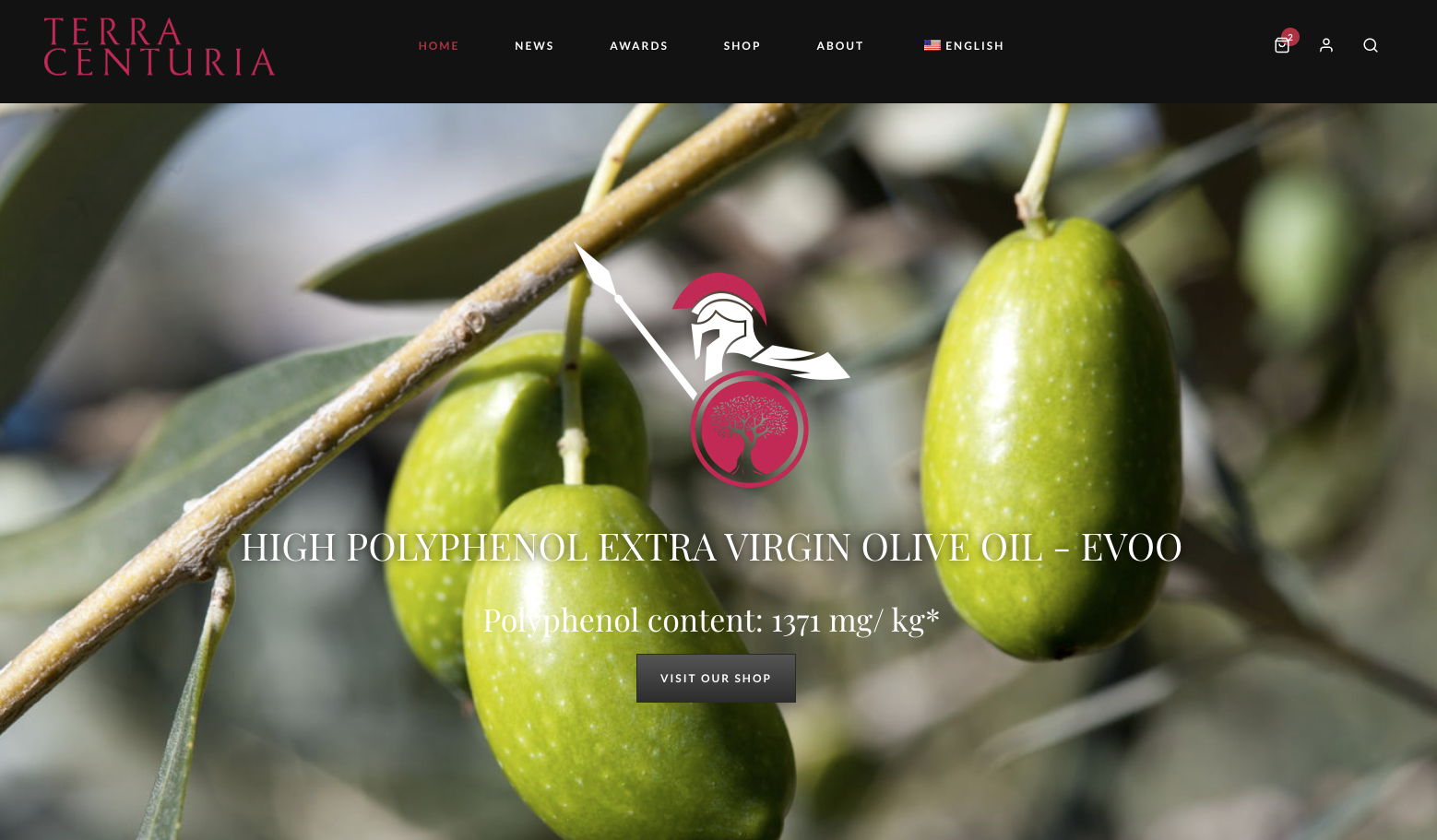
The commitment to quality starts in the groves, where organic farming practices and careful varietal selection establish the foundation for antioxidant-rich oil. Terra Centuria’s educational resources help you understand what distinguishes premium EVOO from commodity products. You’ll discover how harvest timing, processing speed, and storage conditions dramatically impact the final polyphenol concentration. This knowledge empowers you to make informed choices whether purchasing from Terra Centuria or evaluating other producers.
Consider these advantages when selecting high-polyphenol organic EVOO:
- Verified polyphenol content above 400 mg/kg for therapeutic antioxidant levels
- Harvest-to-bottle traceability ensuring freshness and authentic origin
- Organic certification eliminating pesticide residues that counteract health benefits
- Small-batch production preserving delicate compounds lost in industrial processing
- Expert guidance on selecting and storing EVOO for maximum benefit retention
Pro Tip: Request lab analysis certificates from EVOO producers before purchasing premium bottles. Reputable suppliers willingly share polyphenol testing results and chemical analysis proving quality claims.
Terra Centuria’s organic olive oil selection process emphasizes transparency and education alongside product excellence. The resources available help you develop a discerning palate and understand the sensory indicators of high-polyphenol content. That peppery throat burn isn’t a defect, it’s evidence of oleocanthal working to protect your cardiovascular system.
Frequently asked questions about EVOO health benefits
What distinguishes high-polyphenol EVOO from regular olive oil?
High-polyphenol EVOO contains 250-800 mg of bioactive compounds per kilogram, while refined olive oils have minimal polyphenols due to chemical processing. The extra virgin designation means mechanical extraction only, preserving antioxidants that deliver cardiovascular and anti-inflammatory benefits. Regular olive oil undergoes refining that strips away these protective compounds, leaving primarily fat and calories without the therapeutic properties.
Can EVOO be used for high-heat cooking safely?
EVOO works well for sautéing and roasting at temperatures up to 375-400°F, but avoid deep frying or high-heat applications above 420°F. Excessive heat degrades polyphenols and can create oxidized compounds that counteract health benefits. For maximum antioxidant retention, use EVOO in raw applications like dressings or add it to cooked dishes after removing from heat.
How much EVOO should I consume daily for health benefits?
Consume 1-4 tablespoons daily to achieve cardiovascular and metabolic benefits documented in clinical research. This amount provides sufficient polyphenols for LDL protection and anti-inflammatory effects without excessive calorie intake. Start with 2 tablespoons incorporated into meals and adjust based on your overall diet composition and health goals.
How do I know if my EVOO is still fresh and potent?
Check the harvest date and use opened bottles within 3-6 months for optimal polyphenol retention. Fresh high-quality EVOO tastes fruity, bitter, and pungent with a peppery throat sensation. Rancid oil smells like crayons or putty and tastes greasy or flat, indicating oxidized compounds that provide no health benefits and may be harmful.
Does EVOO interact with medications or special diets?
EVOO generally integrates safely into most diets and rarely interacts with medications. However, its vitamin K content may affect blood thinners like warfarin, requiring consistent daily intake to maintain stable dosing. People on very low-fat diets should account for EVOO’s calorie density, though the metabolic benefits often outweigh concerns about fat intake when replacing less healthy fats.
Why does high-quality EVOO burn my throat?
The peppery throat sensation indicates high oleocanthal content, a potent anti-inflammatory polyphenol that inhibits COX enzymes similar to ibuprofen. Stronger burn correlates with greater antioxidant and anti-inflammatory potential. This characteristic distinguishes premium EVOO from mild, defective oils that lack therapeutic compounds, so embrace the burn as evidence of quality and health-promoting properties.