
Choosing the right polyphenol source can feel overwhelming when you’re trying to maximize antioxidant benefits for your health. While supplements flood the market with promises, high-quality extra virgin olive oil stands out as a bioavailable, clinically proven source of protective polyphenols. This article walks you through the essential criteria for evaluating polyphenol sources, explains why premium olive oil excels, and helps you make informed decisions that truly support your wellness goals.
Table of Contents
- Key takeaways
- Understanding polyphenols: antioxidant mechanisms and types
- How olive oil polyphenols support health beyond antioxidants
- Evaluating polyphenol sources: why high-quality extra virgin olive oil stands out
- Balancing benefits and risks: consuming polyphenols safely through diet
- Explore high-polyphenol olive oils for wellness
- Frequently asked questions
Key Takeaways
| Point | Details |
|---|---|
| Bioavailable EVOO polyphenols | The oil matrix dissolves polyphenols in fat, boosting digestion and absorption so your body can use protective compounds rather than excreting them. |
| Multiple antioxidant pathways | Polyphenols scavenge free radicals, donate hydrogen, chelate metals, and upregulate antioxidant enzymes via the Nrf-2 pathway. |
| Key olive oil polyphenols | Hydroxytyrosol, tyrosol, oleuropein, oleocanthal, and oleacein offer distinct protective actions, with hydroxytyrosol providing strong radical scavenging and oleocanthal delivering anti inflammatory effects. |
| Quality and source matter | Look for premium olive oils with polyphenol levels above 250 mg per kilogram to ensure therapeutic benefits. |
Understanding polyphenols: antioxidant mechanisms and types
Polyphenols are plant compounds that act as your body’s cellular defense system, protecting against oxidative damage that accelerates aging and disease. These molecules work through sophisticated mechanisms beyond simple antioxidant activity. Polyphenols exhibit antioxidant properties by scavenging free radicals, donating hydrogen atoms, chelating metals, and upregulating antioxidant enzymes through the Nrf-2 pathway.
Extra virgin olive oil contains a unique profile of polyphenols that distinguish it from other dietary sources. The primary compounds include hydroxytyrosol, tyrosol, oleuropein, oleocanthal, and oleacein. Each brings distinct protective properties. Hydroxytyrosol stands out for its exceptional free radical scavenging capacity, while oleocanthal delivers anti-inflammatory effects similar to ibuprofen.
The oil matrix itself enhances bioavailability significantly. Unlike water-soluble polyphenols in tea or berries, polyphenols in extra virgin olive oil dissolve in the fat medium, improving absorption in your digestive tract. This means your body can actually use these protective compounds rather than simply excreting them.
Key antioxidant pathways activated by olive oil polyphenols:
- Direct neutralization of reactive oxygen species before they damage cellular structures
- Hydrogen donation to stabilize free radicals and break oxidative chain reactions
- Metal ion chelation preventing iron and copper from generating harmful radicals
- Gene expression changes that boost your body’s own antioxidant enzyme production
- Mitochondrial protection maintaining efficient energy production in cells
Pro Tip: Look for extra virgin olive oils with polyphenol content above 250 mg/kg to ensure therapeutic levels of these protective compounds.
How olive oil polyphenols support health beyond antioxidants
While antioxidant activity gets most attention, olive oil polyphenols trigger cellular signaling cascades that regulate metabolism, inflammation, and cellular repair. These mechanisms explain why clinical studies consistently show benefits that extend far beyond simple free radical scavenging.

Polyphenols activate AMPK pathways, inhibit NF-κB for anti-inflammation, enhance PON and LCAT for antioxidant activity, modulate mitochondrial biogenesis through mTOR and sirtuins, and inhibit amyloid aggregation. AMPK activation acts like a metabolic master switch, improving insulin sensitivity and promoting fat burning. Meanwhile, NF-κB inhibition reduces chronic inflammation at the genetic level.
The enhancement of paraoxonase (PON) and lecithin-cholesterol acyltransferase (LCAT) enzymes provides another layer of cardiovascular protection. PON prevents LDL cholesterol oxidation, the critical step in atherosclerosis development. LCAT facilitates reverse cholesterol transport, moving excess cholesterol from tissues back to the liver for elimination.
Mitochondrial health represents another frontier where olive oil polyphenols excel. These compounds stimulate mitochondrial biogenesis, creating new energy-producing structures in your cells. They also activate sirtuins, longevity-associated proteins that improve cellular stress resistance. This combination supports healthy aging at the cellular level.
Neuroprotection emerges through multiple mechanisms. Oleocanthal specifically inhibits amyloid-beta aggregation, the hallmark of Alzheimer’s disease. It also reduces tau protein phosphorylation, another pathological feature of neurodegeneration. These effects suggest regular consumption may support long-term cognitive health.
Key health pathways activated by olive oil polyphenols:
- AMPK activation improving metabolic flexibility and insulin sensitivity
- NF-κB inhibition reducing inflammatory gene expression throughout the body
- PON and LCAT enhancement protecting cardiovascular health through multiple routes
- Mitochondrial biogenesis supporting cellular energy production and resilience
- Amyloid aggregation inhibition potentially protecting against neurodegenerative disease
Pro Tip: Consume high-polyphenol EVOO with meals to maximize absorption and metabolic benefits, as the fat matrix aids polyphenol uptake while the compounds enhance nutrient absorption from other foods.
Evaluating polyphenol sources: why high-quality extra virgin olive oil stands out
Not all polyphenol sources deliver equal benefits. Three critical criteria separate effective options from marketing hype: bioavailability, clinical evidence, and safety profile. High-polyphenol extra virgin olive oil excels across all three dimensions.
Bioavailability determines whether polyphenols actually reach your bloodstream and tissues. Many plant polyphenols have poor absorption rates, limiting their practical benefits. The lipid matrix in high-quality EVOO enhances polyphenol bioavailability, with clinical trials showing reduced HbA1c, inflammation, oxidative markers, and improved HDL compared to standard EVOO.
Clinical evidence separates proven benefits from theoretical possibilities. Controlled human trials demonstrate that high-polyphenol EVOO reduces glycemic markers, inflammatory cytokines, and oxidative stress while improving lipid profiles. These aren’t just laboratory findings but real-world health improvements in actual people.
| Source | Bioavailability | Clinical antioxidant impact | Risk profile |
|---|---|---|---|
| High-polyphenol EVOO | High (enhanced by oil matrix) | Proven reduction in oxidative markers, inflammation, HbA1c | Excellent safety record, no adverse effects |
| Standard EVOO | Moderate | Some benefits but less pronounced | Safe, minimal polyphenol content limits impact |
| Polyphenol supplements | Poor (5-10% absorption) | Limited clinical evidence, inconsistent results | Potential mutagenic and genotoxic effects at high doses |
The comparison reveals why food-based sources outperform isolated supplements. Whole foods provide polyphenols in natural combinations with supporting compounds that enhance absorption and activity. Supplements strip away this context, often resulting in poor bioavailability and unpredictable effects.
Benefits of choosing high-polyphenol EVOO as your primary polyphenol source:
- Multi-target effects addressing oxidative stress, inflammation, and metabolic dysfunction simultaneously
- Inflammation reduction through NF-κB pathway inhibition and cytokine modulation
- Glycemic control improvement supporting healthy blood sugar regulation
- Cardiovascular protection via multiple complementary mechanisms
- Neuroprotective compounds supporting long-term cognitive health
- Excellent safety profile with centuries of traditional use
Pro Tip: Avoid high-dose polyphenol supplements despite marketing claims, as they show limited absorption, lack clinical validation, and carry potential toxicity risks that food sources don’t present.
For comprehensive guidance on selecting premium options, explore our guide to high-polyphenol olive oil and learn more about polyphenolic olive oil antioxidant benefits backed by research.
Balancing benefits and risks: consuming polyphenols safely through diet
Understanding absorption dynamics helps set realistic expectations. Only 5-10% of dietary polyphenols typically reach systemic circulation. Your liver and gut bacteria extensively metabolize these compounds, converting them into metabolites that may have different activities than the parent molecules. This natural regulation prevents excessive accumulation.
Laboratory studies sometimes show pro-oxidant effects at extremely high polyphenol concentrations. These findings don’t translate to normal dietary intake. Poor bioavailability and possible pro-oxidant effects occur at high doses in vitro, while supplements may have mutagenic and genotoxic risks, but best benefits come from consuming polyphenols in food sources like EVOO.
The supplement industry capitalizes on polyphenol research by offering concentrated extracts. These products bypass natural regulatory mechanisms, potentially delivering doses that exceed safe thresholds. Without the protective matrix of whole foods, isolated polyphenols may act unpredictably in your body.
Best practices for safe, effective polyphenol consumption:
- Prioritize food sources like high-polyphenol extra virgin olive oil over supplements
- Consume moderate amounts consistently rather than occasional megadoses
- Choose quality EVOO with verified polyphenol content above 250 mg/kg
- Include polyphenol-rich foods throughout your day for sustained benefits
- Avoid isolated polyphenol supplements unless specifically recommended by your healthcare provider
“The synergistic effects of polyphenols in their natural food matrix provide benefits that isolated compounds cannot replicate. Whole food sources deliver polyphenols alongside complementary nutrients that enhance absorption, metabolism, and biological activity while naturally limiting intake to safe levels.”
Your body evolved consuming polyphenols from whole plant foods, not concentrated extracts. Respecting this context by choosing food-based sources aligns with your physiology. High-quality extra virgin olive oil represents an ideal delivery system, combining therapeutic polyphenol levels with excellent bioavailability and a proven safety record spanning millennia.
For evidence-based information on maximizing benefits, review olive oil health benefits in 2026 to understand current research and practical applications.
Explore high-polyphenol olive oils for wellness
Now that you understand how polyphenols protect your health and why quality matters, it’s time to experience these benefits firsthand. Terra Centuria specializes in premium, organic extra virgin olive oils with exceptional polyphenol content, produced through traditional methods in Slovenian Istria. Our oils deliver the antioxidant power and multi-target health benefits discussed throughout this article.
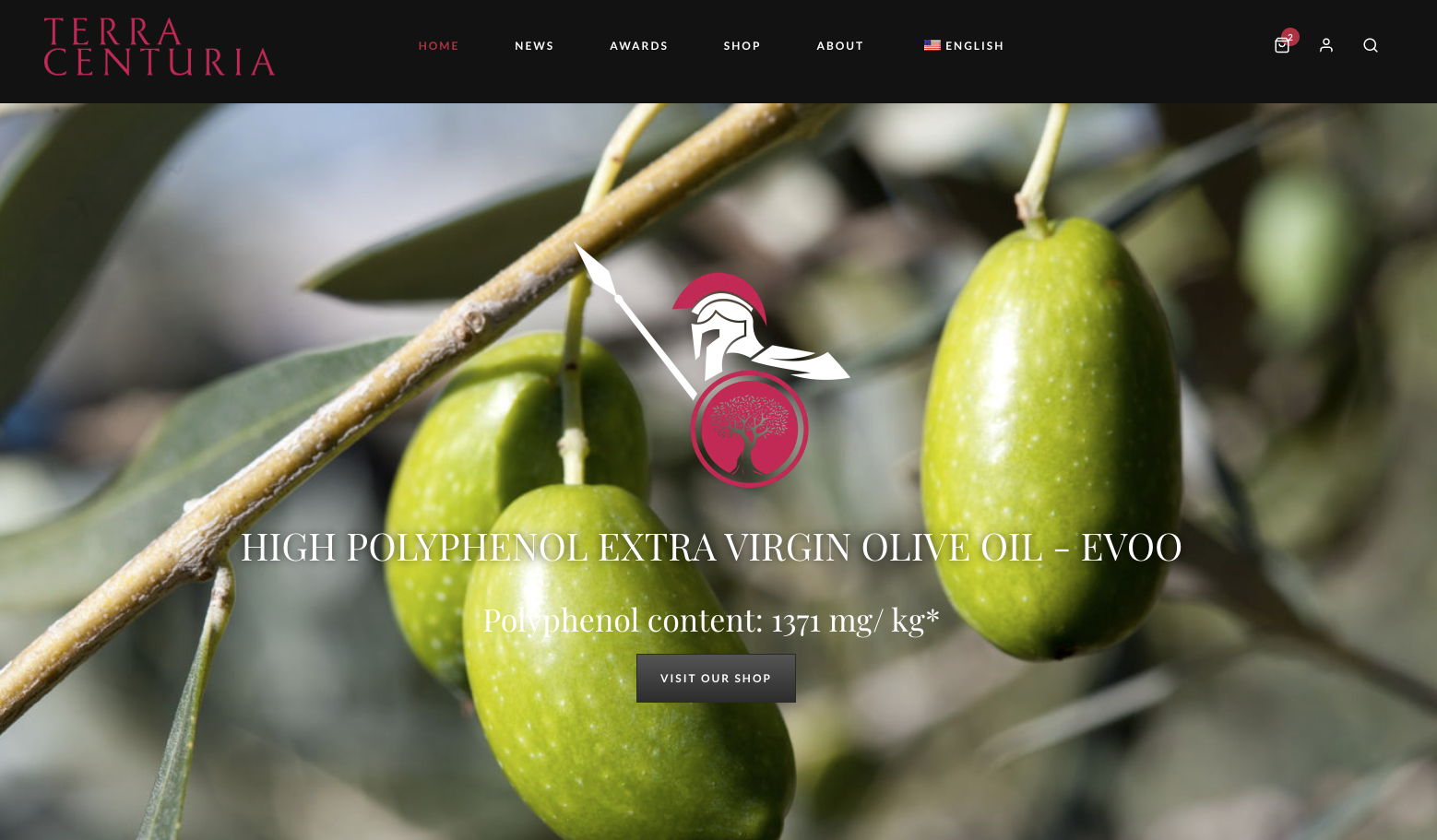
Every bottle reflects our commitment to quality, sustainability, and the historical legacy of artisan olive oil production. Our high-polyphenol EVOOs undergo rigorous testing to verify polyphenol content, ensuring you receive therapeutic levels of these protective compounds. Whether you’re focused on cardiovascular health, metabolic support, or simply want the finest culinary experience, our selection offers options tailored to your wellness goals.
Explore our collection of high polyphenol organic EVOO to find the perfect addition to your health routine. For detailed information on selecting the right olive oil for your needs, visit our comprehensive olive oil guide. Learn about our meticulous organic olive oil selection process that ensures every bottle meets our exacting standards for purity, polyphenol content, and flavor.
Frequently asked questions
What are polyphenols and why are they important?
Polyphenols are plant compounds with antioxidant and signaling effects that protect cells from oxidative damage. They’re important because they reduce oxidative stress and inflammation throughout your body, supporting cardiovascular health, metabolic function, and potentially protecting against neurodegenerative diseases. Unlike simple antioxidants, polyphenols activate genetic pathways that enhance your body’s own protective systems.
How much polyphenol intake is considered beneficial?
Effective intake varies by source, but moderate consumption of high-polyphenol EVOO around 20 mL daily typically provides therapeutic benefits. This amount delivers approximately 5-10 mg of polyphenols, enough to show measurable effects in clinical studies. High doses from supplements aren’t advised due to absorption limitations and potential toxicity risks that don’t occur with food sources.
Are polyphenol supplements safe and effective?
Supplements have limited bioavailability, with only 5-10% absorption, and can pose mutagenic or genotoxic risks at the high doses often marketed. Polyphenols from foods like EVOO are safer and usually more beneficial because the natural food matrix enhances absorption while preventing excessive intake. Clinical evidence strongly favors food-based sources over isolated supplements for both safety and effectiveness.
What makes extra virgin olive oil a top polyphenol source?
EVOO contains unique, highly bioavailable polyphenols such as hydroxytyrosol, oleuropein, and oleocanthal that work synergistically. Clinical studies show EVOO’s benefits for reducing inflammation, improving glycemic control, and enhancing antioxidant defense systems. The oil matrix significantly improves polyphenol absorption compared to water-based sources, making these protective compounds more available to your tissues. Learn more about polyphenols in extra virgin olive oil and their specific health mechanisms.