TL;DR:
- Extra virgin olive oil enhances flavor and nutrients in gourmet dishes by acting as a natural flavor carrier. It should be used cold for finishing and cooking at low to moderate temperatures to preserve its complexity and health benefits. Overheating EVOO degrades its quality, destroying polyphenols and producing unpleasant flavors.
Extra virgin olive oil (EVOO) is the defining fat of gourmet Mediterranean cuisine, prized equally for its complex flavour and its concentration of monounsaturated fats and polyphenols. The role of olive oil in gourmet cooking extends far beyond a simple cooking medium. It carries flavour, protects nutrients, and finishes dishes with a depth that no other fat replicates. Understanding how to choose, heat, and pair olive oil separates competent home cooks from those who produce genuinely memorable food.
How does olive oil enhance flavour profiles in gourmet dishes?
Olive oil acts as a natural flavour carrier, binding with oil-soluble compounds in herbs, spices, and aromatics to amplify the entire flavour profile of a dish. This is why a simple bruschetta dressed with a grassy Tuscan EVOO tastes fundamentally different from the same bread dressed with a neutral refined oil. The fat molecules physically transport aromatic compounds onto your palate.
The flavour differences between olive oil grades are significant and directly affect gourmet results:
- Extra virgin olive oil delivers the most complex profile: grassy, peppery, bitter, and fruity notes depending on variety and origin. Slovenian Istrian oils, for example, tend towards a pronounced bitterness and a clean, green finish.
- Virgin olive oil sits a step below in intensity, with softer fruit notes and less pronounced bitterness. It suits dishes where you want presence without dominance.
- Refined olive oil has a mild, almost neutral flavour. It works as a cooking fat but contributes nothing to the dish’s character.
Finishing is where EVOO earns its place in fine dining. Drizzling a cold-pressed, high-polyphenol EVOO over a bowl of ribollita or a seared piece of fish just before serving adds a layer of flavour that heat would destroy. The peppery finish that catches the back of your throat is oleocanthal, a polyphenol with genuine anti-inflammatory properties. That sensation is not a flaw. It is a quality signal.
Pro Tip: Pair a robust, peppery EVOO with bitter greens, legumes, and red meat. Use a milder, fruitier oil with delicate fish, white vegetables, and fresh cheeses. The oil should complement, not compete.
Knowing how to pair olive oil with specific ingredients is a skill that transforms ordinary recipes into gourmet dishes.
What are the best olive oil cooking techniques for gourmet results?
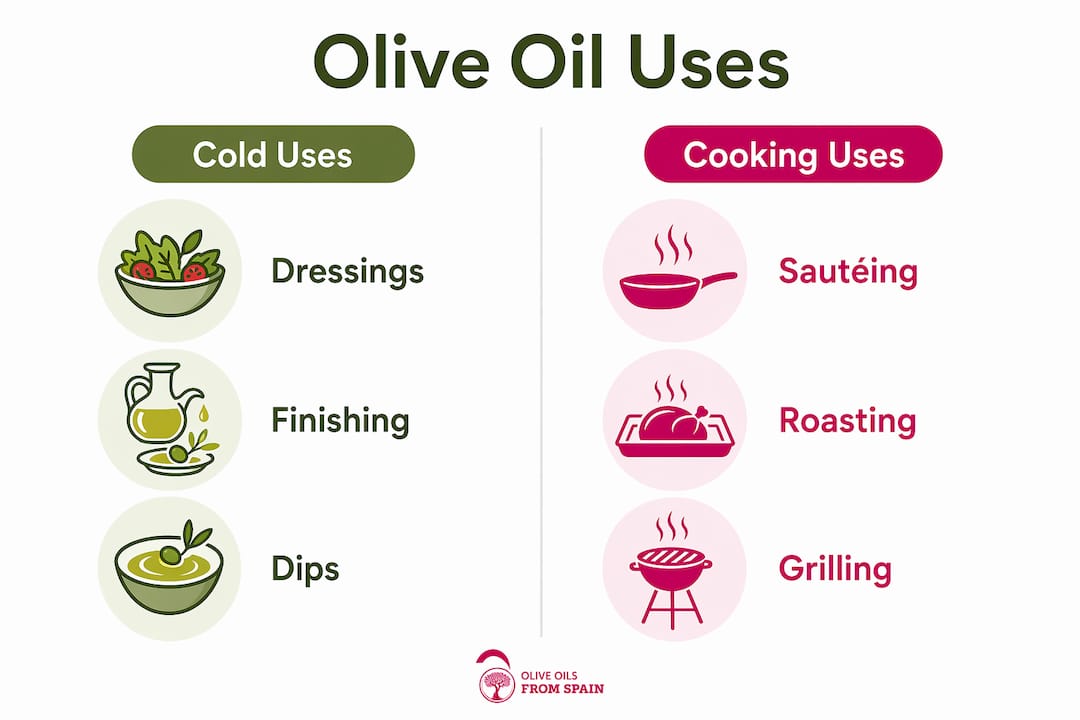
Technique matters as much as oil quality. Olive oil is used across Mediterranean cuisine for sautéing, roasting, grilling, dressing, and baking. Each application demands a slightly different approach to protect the oil’s flavour and nutritional integrity.
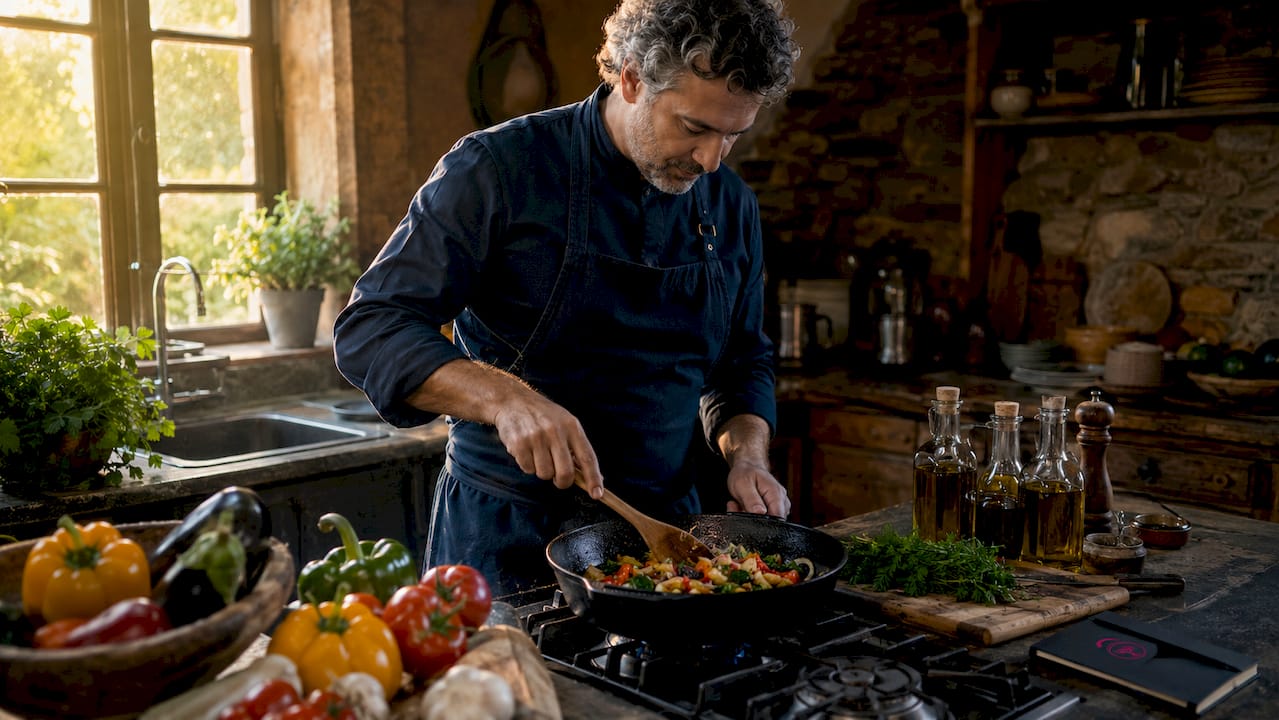
The single most important technique is how you heat the oil. Adding olive oil to a cold pan and bringing both up to temperature together produces better flavour and less degradation than pouring oil into an already-hot pan. Thermal shock forces the oil to spike in temperature instantly, which accelerates oxidation and strips out volatile aromatic compounds.
Ingredient preparation is equally critical. Bringing proteins and vegetables to room temperature before they hit the pan prevents a sudden temperature drop that forces you to compensate by cranking the heat. Cold ingredients in a hot pan mean the oil has to work harder, and it degrades faster as a result.
Practical techniques by application:
- Sautéing: Use EVOO over medium heat. Add oil and pan together, bring to temperature, then add room-temperature ingredients. Keep the heat moderate and the food moving.
- Roasting: Coat vegetables or proteins generously before they go into the oven. The oil creates a barrier that locks in moisture and encourages caramelisation.
- Light frying: Extra virgin olive oil suits low to moderate heat frying well. Refined olive oil handles higher temperatures with greater stability.
- Dressing and finishing: Always use your best EVOO cold. Heat destroys the volatile compounds that make a premium oil worth buying.
- Baking: Olive oil replaces butter in many Mediterranean bakes, producing a moist, tender crumb with a subtle savoury note.
Pro Tip: Never let olive oil reach the smoking point. If you see smoke, the oil has already begun to break down. Remove the pan from the heat, allow it to cool slightly, and start again with fresh oil.
How to choose the right olive oil for gourmet cooking
Selecting the right oil for each application is a decision that affects both flavour and health outcomes. EVOO’s monounsaturated fats and polyphenols contribute to reduced cholesterol and anti-inflammatory benefits. That nutritional value is only preserved when you choose and handle the oil correctly.
| Application | Recommended grade | Flavour intensity | Key consideration |
|---|---|---|---|
| Cold dressings and finishing | Extra virgin | Robust to mild | Choose by dish character; use your best oil here |
| Sautéing and gentle frying | Extra virgin | Mild to medium | Keep heat below 180°C to preserve polyphenols |
| High-heat roasting | Refined or light olive oil | Neutral | Greater heat stability; less flavour contribution |
| Baking | Extra virgin or refined | Mild | EVOO adds subtle flavour; refined keeps it neutral |
| Marinades | Extra virgin | Robust | Oil carries herbs and spices into the protein |
Polyphenol content is the quality marker most gourmet cooks overlook. A high-polyphenol EVOO delivers more flavour complexity and greater health benefit than a standard supermarket bottle. Terracenturia’s EVOO from Slovenian Istria, for instance, reaches polyphenol concentrations that place it firmly in the functional food category.
Origin and production method also matter. Artisanal, cold-pressed oils from single varieties (monovarietals) give you traceability and a consistent, identifiable flavour. Blended commercial oils are designed for consistency across harvests, which means the producer smooths out the very characteristics that make premium oil interesting.
Store your oil in a dark, cool place, sealed tightly. Light and oxygen are the two fastest routes to rancidity. A good EVOO kept correctly will hold its quality for 18–24 months from harvest.
What happens when you overheat olive oil?
Overheating is the most common and most damaging mistake in gourmet olive oil cookery. Heating olive oil beyond 180°C triggers oxidation and releases acrolein, a compound with a sharp, burnt smell that signals the oil has degraded. Acrolein is not just unpleasant. It indicates the oil’s beneficial compounds have broken down entirely.
Heating EVOO at higher temperatures causes the formation of oxidised aldehydes that alter both aroma and taste. The grassy, peppery notes that define a quality EVOO disappear, replaced by flat, bitter, or acrid flavours. This is why a dish cooked in overheated EVOO tastes worse than one cooked in a correctly handled refined oil.
| Temperature | What happens to EVOO |
|---|---|
| Below 150°C | Volatile aromatics largely preserved; polyphenols stable |
| 150°C–180°C | Some volatile compound loss; flavour begins to simplify |
| Above 180°C | Oxidised aldehydes form; acrolein released; polyphenols degraded |
The practical implication is straightforward. Reserve EVOO for low to moderate heat cooking and for cold applications. When a recipe genuinely requires sustained high heat, such as deep frying or very high-temperature roasting, a refined olive oil or another stable fat is the correct choice. This is not a compromise on quality. It is the right tool for the right job.
Pro Tip: If you are unsure whether your pan is at the right temperature, add a small drop of oil and watch it. It should shimmer gently and spread. If it smokes immediately, the pan is too hot.
Key takeaways
The most effective approach to gourmet cooking with olive oil is matching oil grade to application, keeping heat below 180°C, and reserving your finest EVOO for cold use and finishing.
| Point | Details |
|---|---|
| Grade determines flavour contribution | EVOO delivers complex, peppery notes; refined oil is neutral and heat-stable. |
| Cold pan technique protects quality | Add oil to a cold pan and heat together to reduce oxidation and preserve polyphenols. |
| Finishing is where premium oil shines | Drizzle cold-pressed EVOO over finished dishes to capture its full aromatic complexity. |
| Polyphenol content signals quality | High-polyphenol EVOOs offer greater flavour depth and documented anti-inflammatory benefits. |
| Overheating destroys the oil’s value | Temperatures above 180°C release acrolein and strip out the compounds that make EVOO worth using. |
Why I think most cooks misuse their best olive oil
After years of working with premium EVOOs, the pattern I see most often is this: cooks spend serious money on a beautiful, high-polyphenol oil, then pour it straight into a screaming-hot pan. The oil smokes, the polyphenols vanish, and the dish tastes no better than if they had used the cheapest bottle on the shelf.
The misunderstanding runs deep. People treat olive oil as a single ingredient with a single use, when in reality it is a spectrum. A robust, grassy EVOO from Slovenian Istria is not the same product as a light, refined oil, and using them interchangeably is like using a fine Burgundy for deglazing when a basic table wine would do the job just as well and cost a fraction of the price.
What I have found actually works is treating your best EVOO the way you treat a good cheese or a fresh herb: as a finishing ingredient, not a cooking fat. Roast your vegetables in a decent refined olive oil, then dress them with a cold drizzle of your premium bottle the moment they come out of the oven. The heat from the food warms the oil just enough to release its aromatics without destroying them. That is the technique that separates good home cooking from genuinely gourmet results.
The other thing I would push back on is the idea that high-heat cooking and quality olive oil are incompatible. They are, if you are careless. But with the cold-pan technique and room-temperature ingredients, you can sauté beautifully in EVOO at moderate heat without degrading the oil. The key is patience. Gourmet cooking with olive oil rewards the cook who does not rush the pan.
— Mak
Terracenturia’s premium EVOOs for serious cooks
Terracenturia produces high-polyphenol organic EVOO from Slovenian Istria, cold-pressed and harvested using traditional artisanal methods. The oils carry polyphenol concentrations that place them in the functional food category, meaning they deliver measurable health benefit alongside genuine culinary depth. For cooks who want to understand what separates a standard bottle from a truly gourmet olive oil, Terracenturia’s selection guides and product pages offer detailed information on origin, polyphenol content, and flavour profiles. Whether you are finishing a dish or building a marinade, the right oil makes the result worth eating.
FAQ
What is the best olive oil for gourmet cooking?
Extra virgin olive oil is the best choice for cold applications, dressings, and finishing, while refined olive oil suits high-heat cooking. For maximum flavour and health benefit, choose a high-polyphenol EVOO from a traceable, artisanal producer.
Can you cook with extra virgin olive oil at high temperatures?
EVOO is suitable for low to moderate heat cooking, ideally kept below 180°C. Above that threshold, oxidised compounds form and the oil’s flavour and nutritional value degrade significantly.
What does olive oil add to gourmet dishes?
Olive oil acts as a flavour carrier, binding with herbs and spices to amplify a dish’s aromatic complexity. A quality EVOO also contributes its own notes of grass, pepper, and fruit, which no refined fat can replicate.
How should I store olive oil to keep it fresh?
Store olive oil in a sealed, dark container away from heat and light. Correct storage preserves quality for up to 18–24 months from harvest and prevents rancidity caused by oxidation.
What are polyphenols and why do they matter in cooking?
Polyphenols are natural antioxidant compounds found in EVOO that contribute both health benefits and the characteristic peppery, bitter notes of quality oil. They are partially destroyed by high heat, which is why cold use and gentle cooking preserve the most value.