TL;DR:
- First harvest olive oil is made from green, unripe olives picked early in the season, offering higher polyphenol content and richer flavor. It is produced through careful timing, handpicking, cold pressing, and immediate bottling, which makes it more costly. Its intense aroma and health benefits make it ideal for finishing dishes rather than high-heat cooking.
First harvest olive oil is a premium extra virgin olive oil (EVOO) made from olives picked at the very start of the season, while still green and unripe. The industry term is early harvest olive oil, and the two phrases describe the same product. What sets it apart is not just timing. The oil yield drops to 8–14% compared to 20–30% for ripe olives, yet the resulting oil carries a depth of flavour and a concentration of health-promoting compounds that no late-harvest oil can match. If you care about what you put on your plate, understanding this category is worth your time.
What is first harvest olive oil and how is it defined?
First harvest olive oil is defined as extra virgin olive oil pressed from green, unripe olives harvested in the earliest weeks of the season, typically october through mid-november in the Northern Hemisphere. The olives are picked before they fully ripen and turn black, which is a deliberate choice that prioritises quality over volume. The result is an oil with a deep green colour, an intensely herbaceous aroma, and a characteristic peppery finish at the back of the throat.
The phrase “first harvest” is widely used in consumer markets, but the recognised industry term is early harvest. Both refer to the same production philosophy: harvesting early to maximise polyphenol content and flavour complexity at the cost of lower oil yield. Producers in Italy, Greece, Slovenia, and Spain all practise early harvesting, though the tradition is particularly celebrated in Italian novello oils, which are bottled immediately after extraction and sold within weeks of pressing.
Genuine first harvest oils carry a harvest date on the label, not just a best-before date. That distinction matters because polyphenols degrade over time, and an oil bottled in the same year it was pressed is categorically fresher than one sitting in a warehouse for 18 months.
How is first harvest olive oil produced?
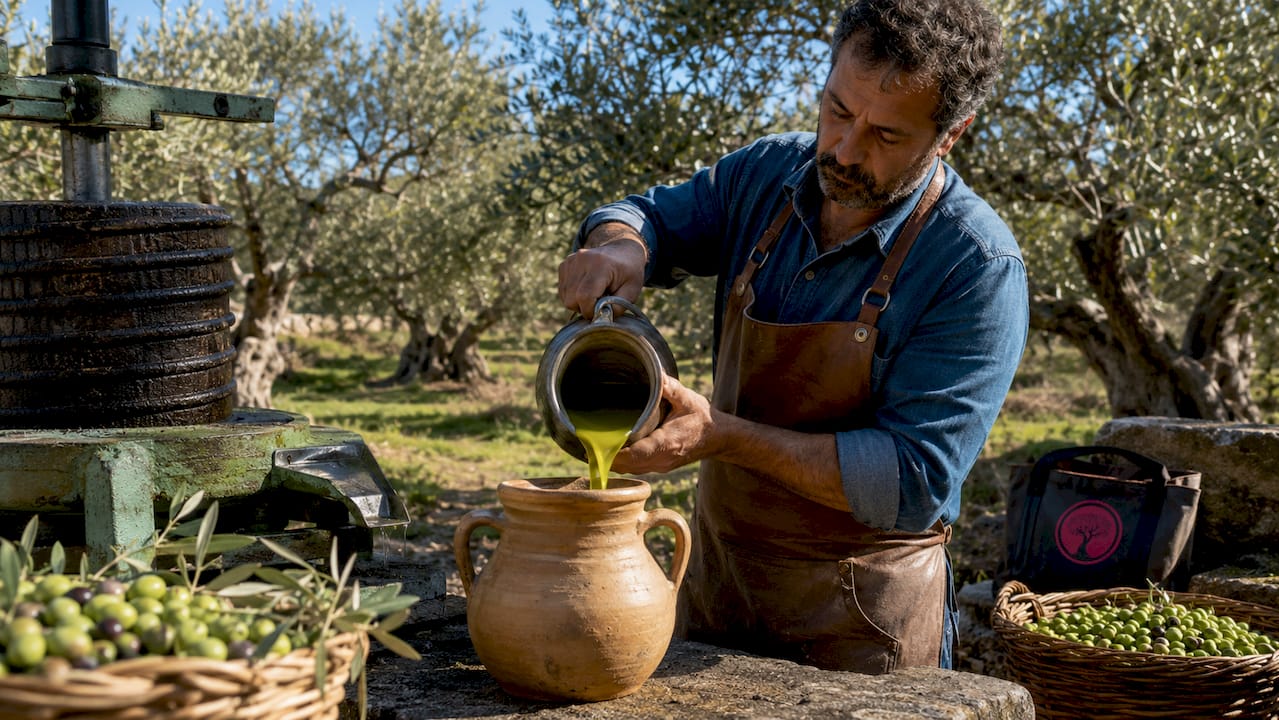
The production of early harvest olive oil is defined by tight timing and intensive labour. Producers calibrate the harvest using a maturity index, a scale that measures olive ripeness from 0 (fully green) to 7 (fully black). Early harvest olives sit at a maturity index of 2.5–3.0, meaning the fruit is still firm and green. The harvest window at this stage lasts just 2–3 weeks, which creates significant logistical pressure.
The process follows a clear sequence:
- Timing the harvest. Producers monitor the maturity index closely, often testing fruit from multiple trees before committing to picking. Waiting even a few extra days can cause polyphenol levels to drop sharply.
- Hand or mechanical picking. Many premium producers, including those in Slovenian Istria, rely on handpicked olives to avoid bruising the fruit. Bruised olives oxidise quickly, which degrades the oil before it even reaches the press.
- Rapid transport to the mill. Olives must reach the mill within hours of picking. Delays cause fermentation, which raises acidity and destroys delicate aromatic compounds.
- Cold pressing. The olives are milled at temperatures below 27°C to preserve volatile compounds and polyphenols. This is what the label term cold pressed or first cold press refers to.
- Immediate bottling. The finest producers bottle the oil within days of pressing, following the Italian novello tradition. Novello oils are unfiltered, cloudier, and carry a raw, intense taste that filtered oils cannot replicate.
The cost of this process is real. Early harvest production requires roughly double the raw fruit weight compared to late harvest oils, because each olive yields so little oil. That labour intensity and lower yield explain the premium price point directly.
Pro Tip: When buying first harvest oil, look for a mill date or harvest date on the label. A best-before date alone tells you nothing about when the olives were actually pressed.
What are the health benefits of first harvest olive oil?
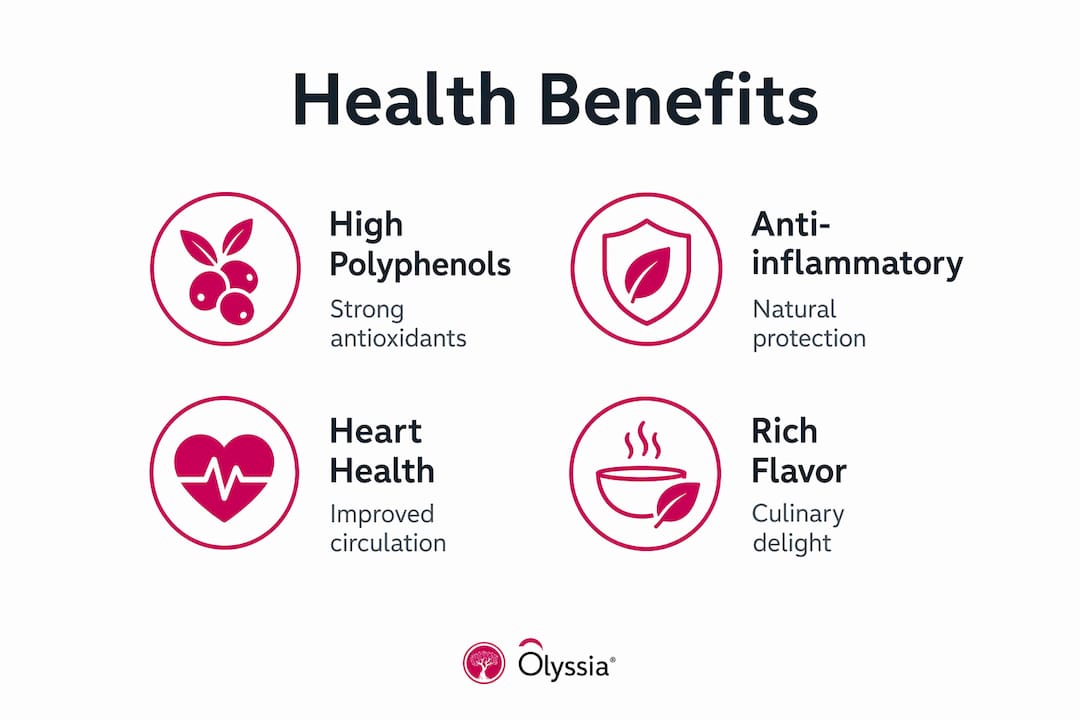
The health case for early harvest olive oil rests on one central fact: polyphenol concentration. First harvest oils contain 2–4 times the polyphenols of late harvest oils, with authentic examples regularly exceeding 550 mg/kg. Polyphenol levels drop by 50–80% as olives mature, which means waiting longer to harvest produces a nutritionally inferior oil regardless of how well it is pressed.
The key bioactive compounds in first harvest EVOO include:
- Oleocanthal. A natural anti-inflammatory compound that works through a similar mechanism to ibuprofen, though at much lower concentrations.
- Oleuropein. Concentrated in unripe olives, this compound contributes the characteristic bitterness and carries strong antioxidant properties.
- Hydroxytyrosol. One of the most potent antioxidants found in any food, linked to cardiovascular protection.
- Oleacein. Associated with reduced oxidative stress and blood pressure regulation.
Consuming EVOO rich in polyphenols correlates with reduced inflammation and better cardiovascular health, with studies showing that high-polyphenol EVOO outperforms regular olive oil on measurable health markers. That gap widens further when you compare first harvest oil to refined olive oil, which loses nearly all bioactive compounds during processing.
“High polyphenol content is the key nutritional advantage setting first harvest oil apart, linked to anti-inflammatory effects and heart health.” — Harvard Health
Regular extra virgin olive oil still offers genuine health benefits. But if the health benefits of olive oil are your primary motivation, first harvest oil delivers those benefits at a measurably higher level. The difference between olive oils is not just marketing. It is biochemistry.
How does first harvest olive oil taste and how should you use it?
First harvest olive oil has a flavour profile that divides opinion, and that is precisely the point. The taste is intense, green, and herbaceous, with notes of freshly cut grass, artichoke, and sometimes bitter almond. The defining characteristic is a strong peppery sensation at the back of the throat, which is caused by oleocanthal. That throat tingle is not a flaw. It is a direct indicator of polyphenol richness.
Because of its sensitivity to heat, first harvest oil belongs in specific culinary roles:
- Finishing oil on salads. Drizzle over dressed leaves just before serving to preserve aroma.
- Dipping with bread. A small bowl of early harvest oil with a pinch of sea salt is one of the simplest ways to appreciate its complexity.
- Spooned over hummus or labneh. The bitterness cuts through rich, creamy textures beautifully.
- Finishing grilled vegetables or fish. Add after cooking, not during, to retain volatile compounds.
- Raw in vinaigrettes. Whisk with lemon juice or good vinegar for a dressing with real character.
First harvest olive oil is not recommended for frying. High heat destroys the very compounds that justify its price. For high-heat cooking, a standard EVOO or even a neutral oil is the better choice. Think of early harvest oil the way you would think of a fine finishing salt: it belongs at the end of the process, not the beginning.
Pro Tip: Store your first harvest oil in a dark glass bottle away from heat and light. Exposure to heat and light degrades polyphenols and volatile aroma compounds rapidly. Use it within 6–12 months of the harvest date for the best flavour and nutritional value.
For a broader look at pairing premium oils with other quality fats in your kitchen, the ghee usage guide from Ossa Organic offers useful context on finishing fats in dressings and dips.
How to identify authentic first harvest olive oil
The olive oil market contains a significant number of products that use premium language without delivering premium quality. Knowing how to read a label and trust your palate protects you from paying first harvest prices for a standard oil.
- Check for a harvest date. Authentic early harvest oils list the month and year of harvest, usually october or november. An oil with only a best-before date gives you no information about freshness.
- Look for polyphenol content. Some producers, including Terracenturia, print polyphenol levels directly on the label. Genuine first harvest oils regularly exceed 500 mg/kg.
- Assess the colour. Deep green colour is a visual indicator of early harvest oil. A pale yellow or golden colour suggests a later harvest or a refined oil.
- Trust the taste test. A mild, buttery, or neutral flavour means the oil is not early harvest, regardless of what the label claims. Genuine first harvest oil bites back.
- Verify cold pressing. The label should state cold pressed or cold extracted, confirming the oil was processed below 27°C to preserve bioactive compounds.
| Quality indicator | What to look for |
|---|---|
| Harvest date | October or november of the current or previous year |
| Polyphenol content | Above 500 mg/kg for genuine first harvest quality |
| Colour | Deep green, not pale yellow or golden |
| Flavour | Intensely herbaceous with a peppery throat finish |
| Processing method | Cold pressed or cold extracted, below 27°C |
For a thorough walkthrough of label scrutiny and sensory checks, the olive oil buyer’s guide from Terracenturia covers the full process in practical detail.
Key takeaways
First harvest olive oil delivers superior polyphenol concentration, distinctive flavour, and genuine health advantages that no late-harvest or refined oil can replicate, provided you buy from producers who label honestly and harvest early.
| Point | Details |
|---|---|
| Definition and timing | First harvest oil comes from green, unripe olives picked in october to november at a maturity index of 2.5–3.0. |
| Polyphenol advantage | Authentic first harvest oils contain 2–4 times more polyphenols than late harvest oils, often exceeding 550 mg/kg. |
| Culinary role | Use as a finishing oil on salads, bread, and dips. Avoid high-heat cooking to preserve compounds. |
| Label verification | Look for a harvest date, polyphenol count, and cold-pressed certification to confirm authenticity. |
| Storage | Keep in a dark, cool place and use within 6–12 months of the harvest date to retain flavour and nutrition. |
Why I think most people are buying the wrong olive oil
Most people who care about quality olive oil are still buying it wrong. They check the brand, maybe the country of origin, and then pick the nicest bottle. The harvest date is the single most important piece of information on the label, and most shoppers walk straight past it.
I have tasted oils labelled “extra virgin” that were so mild and buttery they could have been refined. They were technically within legal EVOO standards, but they had nothing in common with a genuine first harvest oil. The legal threshold for extra virgin classification is a starting point, not a guarantee of quality.
The novello tradition in Italy gets this right. Releasing oil within weeks of pressing, unfiltered and assertively flavoured, is a statement of intent. It says the producer is not waiting for the oil to mellow or for the market to catch up. That philosophy, prioritising freshness and bioactive density over palatability and shelf life, is what separates serious producers from the rest.
My honest advice: buy less oil, buy better oil, and use it faster. A 250 ml bottle of genuine first harvest EVOO used within three months of opening will do more for your cooking and your health than a litre of supermarket “extra virgin” sitting in a cupboard for a year. The polyphenol benefits are real, but only if the oil is genuinely fresh and genuinely early harvest.
— Mak
Terracenturia’s first harvest extra virgin olive oil
Terracenturia produces high-polyphenol organic EVOO from Slovenian Istria, a region with a long tradition of early harvesting and artisanal pressing. The flagship oil carries a polyphenol content of 1,371 mg/kg, which places it well above the threshold for genuine first harvest quality. It is organically certified, cold pressed, and bottled with a harvest date so you know exactly what you are buying. For food enthusiasts who want the full sensory and nutritional experience of early harvest oil without guesswork, Terracenturia’s high-polyphenol EVOO is a direct answer. The organic selection process behind each bottle reflects the same philosophy described throughout this article: quality over volume, every time.
FAQ
What is the difference between first harvest and extra virgin olive oil?
All first harvest olive oil is extra virgin, but not all extra virgin olive oil is first harvest. First harvest refers specifically to oils pressed from green, unripe olives at the start of the season, giving them significantly higher polyphenol levels than standard EVOO.
What does cold pressed mean on an olive oil label?
Cold pressed means the olives were milled at temperatures below 27°C, preserving volatile aromatic compounds and polyphenols that heat would otherwise destroy. Genuine first harvest oils are always cold pressed.
How can I tell if my olive oil is genuinely first harvest?
Look for a harvest date of october or november, a deep green colour, a polyphenol count above 500 mg/kg, and a strong peppery sensation at the back of the throat. A mild or buttery flavour indicates a late harvest oil regardless of label claims.
Why is first harvest olive oil more expensive?
Early harvest production requires roughly double the raw fruit weight compared to late harvest oils because each unripe olive yields far less oil. The narrow 2–3 week harvest window and labour-intensive picking methods add further cost.
Can I cook with first harvest olive oil?
First harvest olive oil is best used raw as a finishing oil. High heat degrades the polyphenols and volatile compounds that make it worth buying. Use it on salads, bread, and dips rather than for frying or roasting.