
Most people assume polyphenol tests measure exact polyphenol amounts in foods. This common misconception can mislead consumers seeking antioxidant-rich diets. The reality is more nuanced: standard assays measure reducing capacity, not absolute polyphenol content. Understanding what polyphenol measurements truly represent helps you select foods that genuinely support health. This guide explains how polyphenol content is assessed, which foods offer the richest sources, and how to interpret test results for smarter dietary choices focused on natural antioxidants.
Table of Contents
- What Is Polyphenol Content And Why Does It Matter?
- How Polyphenol Content Is Measured: Understanding Assay Methods And Nuances
- Polyphenol-Rich Foods: Sources To Include In Your Diet
- Interpreting Polyphenol Content Results And Making Informed Food Choices
- Explore High-Polyphenol Organic Olive Oil At Terra Centuria
- FAQ
Key takeaways
| Point | Details |
|---|---|
| Polyphenol content reflects antioxidant potential | Measurements indicate reducing capacity rather than exact polyphenol amounts in foods. |
| Folin-Ciocalteu assay is the preferred method | This test measures reducing capacity and works across all polyphenol subgroups effectively. |
| Multiple mechanisms support health benefits | Polyphenols function as antioxidants while also modulating cellular signaling pathways. |
| Nuts, seeds, and oils provide rich sources | Foods like flaxseeds, chestnuts, and high-polyphenol olive oil deliver concentrated antioxidants. |
| Understanding assay limitations guides better choices | Recognizing what tests measure helps you select truly antioxidant-rich foods confidently. |
What is polyphenol content and why does it matter?
Polyphenol content refers to the concentration of plant compounds known for their antioxidant activity in foods. These molecules belong to diverse chemical families, including flavonoids, phenolic acids, stilbenes, and lignans. Each group contributes unique protective properties that support cellular health.
The importance of polyphenol content extends beyond simple antioxidant effects. Polyphenols are thought to exert their effects through several mechanisms, including acting as antioxidants and influencing cellular signaling pathways. This dual action makes them valuable for consumers prioritizing functional foods that deliver measurable health advantages.
Health-conscious individuals seek foods with verified polyphenol content to maximize dietary antioxidant intake. Understanding which foods contain meaningful amounts helps you build eating patterns that support long-term wellness. Natural sources like nuts, seeds, berries, and certain oils provide concentrated polyphenols without synthetic additives.
Pro Tip: Focus on whole food sources rather than supplements when increasing polyphenol intake, as whole foods provide synergistic compounds that enhance absorption and effectiveness.
Common polyphenol-rich food categories include:
- Tree nuts like chestnuts, hazelnuts, and almonds
- Seeds including flaxseeds and chia seeds
- Extra virgin olive oil, especially varieties with high polyphenol certification
- Dark berries such as blueberries and blackberries
- Dark chocolate with 70% or higher cocoa content
- Green tea and certain herbal teas
The practical value of understanding polyphenol content lies in making informed food selections. When you recognize which foods deliver substantial amounts, you can prioritize them in meal planning. This knowledge becomes particularly relevant when choosing between similar products, such as different olive oil grades or nut varieties.
For those exploring high polyphenol olive oil benefits, understanding content measurements helps distinguish premium products from standard offerings. Quality extra virgin olive oils can contain several hundred milligrams of polyphenols per kilogram, while refined oils contain minimal amounts.
The relationship between polyphenol content and food processing matters significantly. Heat, light exposure, and oxidation degrade these compounds rapidly. Fresh, minimally processed foods retain higher polyphenol levels than their processed counterparts. Cold-pressed oils, raw nuts, and fresh berries preserve more antioxidant capacity than heated or aged versions.
How polyphenol content is measured: understanding assay methods and nuances
Measuring polyphenol content involves complex chemistry that often confuses consumers and researchers alike. The most widely used method, the Folin-Ciocalteu assay, has specific capabilities and limitations worth understanding. The Folin-Ciocalteu (FC) assay does not measure the polyphenol content of a sample but determines its reducing capacity instead.
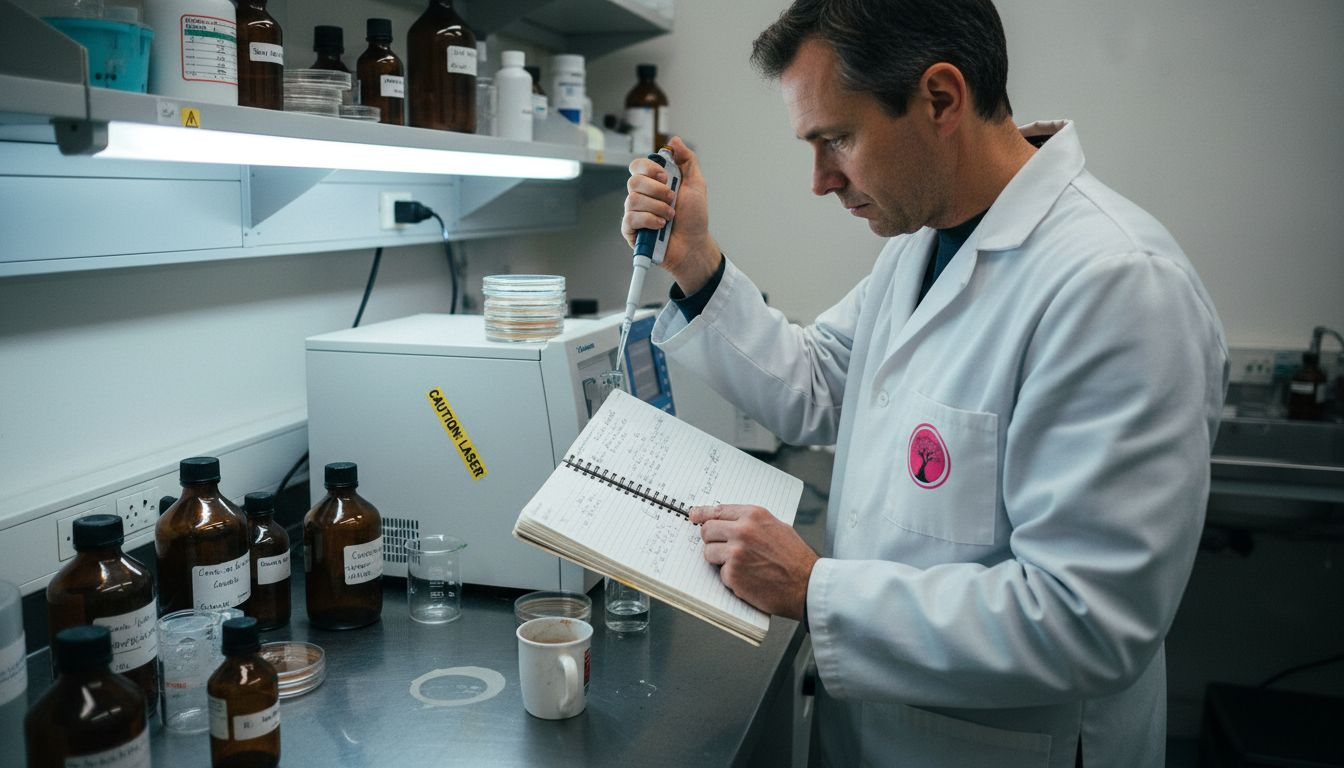
This distinction matters because reducing capacity correlates with, but doesn’t equal, actual polyphenol concentration. The assay responds to any compound capable of reducing the Folin-Ciocalteu reagent, not exclusively polyphenols. Other reducing substances in food samples can contribute to the final reading.
The Bors criteria influence how different polyphenol structures respond in the assay. The FC results depend on the number of fulfilled Bors criteria. These criteria relate to molecular features like hydroxyl group placement and aromatic ring configuration. Polyphenols meeting more criteria produce stronger assay responses.
Pro Tip: When comparing polyphenol content claims between products, verify they used the same assay method and reporting units, as different tests yield incomparable results.
Common assay methods for polyphenol assessment include:
- Folin-Ciocalteu assay measuring total reducing capacity
- DPPH radical scavenging assay for antioxidant activity
- ABTS assay evaluating antioxidant capacity
- ORAC assay quantifying oxygen radical absorbance
- HPLC methods identifying specific polyphenol compounds
The FC assay’s broad compatibility makes it valuable for diverse food matrices. The FC assay is compatible with all five subgroups and should be preferred over the DPPH assay, which is specific for extracts rich in dihydrochalcones or flavanones. This versatility explains its widespread adoption in research and quality testing.
DPPH assays measure free radical scavenging capacity specifically, providing different information than FC tests. While DPPH results indicate how effectively a sample neutralizes specific radicals, they don’t capture total polyphenol content. Each method answers distinct questions about antioxidant properties.
Understanding these technical nuances helps you evaluate product claims critically. When a label states “high polyphenol content,” knowing the measurement method reveals whether the claim reflects comprehensive testing or limited assessment. For detailed guidance on evaluating quality indicators, explore the high polyphenol olive oil guide.
Assay results typically appear as gallic acid equivalents (GAE) per unit weight. This standardization allows comparison across studies and products. However, remember that GAE values represent reducing capacity calibrated against gallic acid, not absolute polyphenol mass.
Polyphenol-rich foods: sources to include in your diet
Incorporating polyphenol-rich foods into daily eating patterns provides consistent antioxidant support. Nuts and seeds provide healthy fats, protein, and a good dose of polyphenols. These nutrient-dense options fit easily into various meals and snacks.
Chestnuts stand out among tree nuts for exceptional polyphenol density. Their unique composition includes ellagitannins and gallic acid derivatives. Flaxseeds deliver lignans, a polyphenol subgroup with distinct biological activities. Walnuts provide both omega-3 fatty acids and substantial polyphenol content.
Pro Tip: Store nuts and seeds in airtight containers away from light and heat to preserve their polyphenol content, as oxidation degrades these compounds rapidly.
Key polyphenol sources worth incorporating regularly:
- Chestnuts offering concentrated ellagitannins
- Flaxseeds rich in lignans and phenolic acids
- Hazelnuts providing proanthocyanidins
- Extra virgin olive oil with hydroxytyrosol and oleuropein
- Dark berries containing anthocyanins
- Cocoa products rich in flavanols
| Food Source | Approximate Polyphenol Content | Primary Polyphenol Types |
|---|---|---|
| Flaxseeds | 1500-2000 mg/100g | Lignans, phenolic acids |
| Chestnuts | 1200-1800 mg/100g | Ellagitannins, gallic acid |
| Hazelnuts | 500-800 mg/100g | Proanthocyanidins, flavonoids |
| Walnuts | 1600-2000 mg/100g | Ellagitannins, flavonoids |
| High-polyphenol EVOO | 300-800 mg/kg | Hydroxytyrosol, oleuropein |
| Dark chocolate (85%) | 1200-1600 mg/100g | Flavanols, procyanidins |
Extra virgin olive oil deserves special attention for its unique polyphenol profile. Premium varieties contain hydroxytyrosol and oleuropein, compounds studied extensively for cardiovascular and anti-inflammatory benefits. The advantages of organic olive oil for foodies include superior polyphenol preservation through careful cultivation and processing.
Cold-pressed production methods protect heat-sensitive polyphenols that refining destroys. Traditional stone milling and immediate pressing after harvest maximize polyphenol retention. Learn more about preservation methods at cold pressed olive oil antioxidants health.
Beyond nuts and oils, colorful vegetables and fruits contribute diverse polyphenol types. Red onions provide quercetin, artichokes offer cynarin, and berries deliver anthocyanins. Each compound class supports health through distinct mechanisms, making dietary variety valuable.
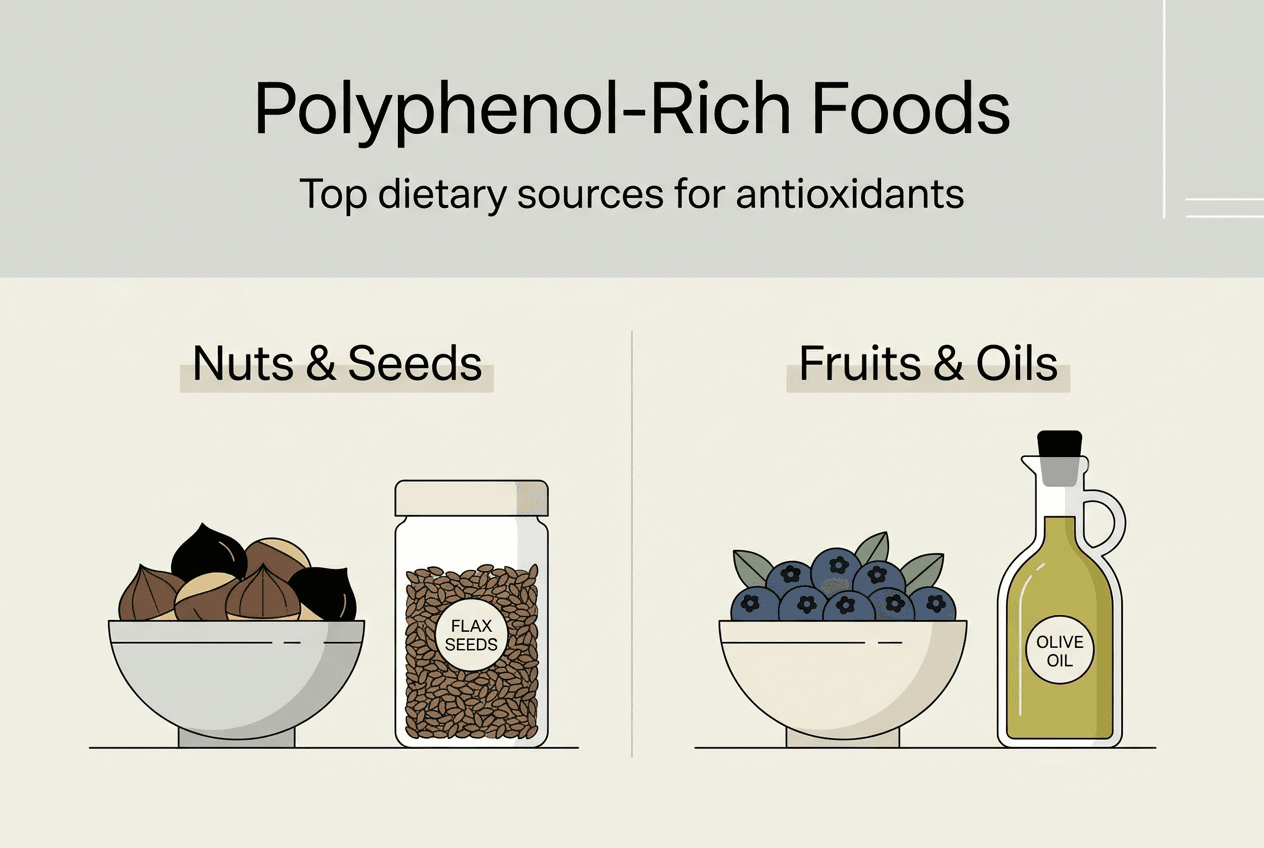
Practical incorporation strategies include adding ground flaxseeds to morning smoothies, using high-polyphenol olive oil for salad dressings, and choosing dark chocolate for occasional treats. Roasted chestnuts make satisfying snacks, while a handful of walnuts provides afternoon energy with antioxidant benefits.
Seasonal eating patterns naturally increase polyphenol intake when emphasizing fresh, colorful produce. Spring greens, summer berries, fall nuts, and winter citrus each contribute unique polyphenol profiles. Building meals around these whole foods creates sustainable eating habits that support long-term health.
Interpreting polyphenol content results and making informed food choices
Navigating polyphenol content claims requires understanding what different test results actually indicate. The FC results depend on the number of fulfilled Bors criteria, meaning molecular structure significantly affects measured values. Two foods with identical polyphenol mass might produce different assay readings based on compound types present.
This structural sensitivity explains why comparing results across different food categories can mislead. An olive oil showing 500 mg/kg FC value contains different polyphenols than a nut showing 500 mg/100g, with potentially different biological effects. The numbers provide useful guidance within product categories but require context for cross-category comparisons.
| Assay Method | What It Measures | Best Use Case | Typical Units |
|---|---|---|---|
| Folin-Ciocalteu | Total reducing capacity | Broad polyphenol screening | mg GAE/100g or mg/kg |
| DPPH | Free radical scavenging | Antioxidant activity assessment | IC50 or % inhibition |
| HPLC | Specific compound identification | Detailed polyphenol profiling | mg/100g per compound |
| ORAC | Oxygen radical absorbance | Antioxidant capacity comparison | μmol TE/100g |
Pro Tip: Look for products tested using multiple methods, as this provides a more complete picture of antioxidant properties than single-assay results.
Quality indicators beyond raw numbers include:
- Testing methodology transparency and laboratory credentials
- Harvest date and processing timeline for perishable products
- Storage conditions and packaging protecting against oxidation
- Certification standards like organic or PDO designations
- Third-party verification of polyphenol claims
When evaluating olive oil specifically, polyphenol content above 250 mg/kg indicates quality, while levels exceeding 500 mg/kg represent exceptional antioxidant richness. These thresholds help distinguish premium products worth their price premium. The polyphenolic olive oil antioxidant benefits become more pronounced at higher concentrations.
Understanding the relationship between polyphenols and other antioxidants clarifies product comparisons. Some foods high in vitamin E or carotenoids might show lower polyphenol-specific readings while still offering strong overall antioxidant protection. The polyphenols vs antioxidants olive oil guide explores these complementary protective mechanisms.
Common pitfalls when interpreting polyphenol data:
- Comparing values from different assay methods directly
- Ignoring units when evaluating content claims
- Overlooking processing and storage impacts on measured values
- Assuming higher numbers always mean better health outcomes
- Neglecting bioavailability differences between polyphenol types
Bioavailability varies significantly among polyphenol classes. Some compounds absorb readily while others require gut bacteria conversion to active forms. This means foods with moderate polyphenol content but high bioavailability might deliver greater practical benefits than foods with impressive lab values but poor absorption.
Realistic expectations matter when selecting polyphenol-rich foods. No single superfood provides complete nutrition or disease prevention. Instead, consistent intake of diverse polyphenol sources as part of balanced eating patterns supports health most effectively. Focus on building sustainable habits rather than chasing the highest numbers.
Explore high-polyphenol organic olive oil at Terra Centuria
Applying your new understanding of polyphenol content starts with choosing products that deliver verified antioxidant richness. Terra Centuria specializes in high polyphenol organic EVOO from Slovenian Istria, where traditional cultivation methods and careful processing preserve exceptional polyphenol levels.
Our extra virgin olive oils undergo rigorous testing to verify polyphenol content, ensuring you receive the antioxidant benefits you expect. The organic olive oil selection process prioritizes harvest timing, immediate cold pressing, and protective storage to maximize polyphenol retention from grove to bottle. Each batch reflects centuries of craftsmanship combined with modern quality verification. Explore the high polyphenol olive oil guide to deepen your knowledge and discover how premium organic olive oil fits into your antioxidant-rich lifestyle.
FAQ
What is the best way to measure polyphenol content in foods?
The FC assay is compatible with all five subgroups and should be preferred over the DPPH assay, which is specific for extracts rich in dihydrochalcones or flavanones. The Folin-Ciocalteu method provides broad coverage across polyphenol types, making it ideal for general screening. For detailed compound identification, HPLC methods offer precision but require more sophisticated equipment. Combining multiple assays gives the most complete picture of a food’s antioxidant profile. The high polyphenol olive oil guide explains testing standards for premium products.
How do polyphenols benefit my health?
Polyphenols are thought to exert their effects through several mechanisms, including acting as antioxidants and influencing cellular signaling pathways. Beyond neutralizing free radicals, these compounds modulate inflammation, support cardiovascular function, and may influence metabolic health. Their diverse biological activities explain why polyphenol-rich diets associate with numerous health advantages in research studies. Individual polyphenol types offer distinct benefits, making dietary variety important. Discover specific advantages at high polyphenol olive oil benefits.
Which foods are the richest sources of polyphenols?
Nuts and seeds provide healthy fats, protein, and a good dose of polyphenols. Chestnuts, flaxseeds, and walnuts rank among the highest plant sources. High-polyphenol extra virgin olive oil offers concentrated antioxidants in a versatile culinary form. Dark berries, cocoa products, and certain teas also deliver substantial amounts. Choosing organic, minimally processed versions maximizes polyphenol retention. Learn about quality indicators at advantages of organic olive oil.
Does cooking destroy polyphenols in foods?
Heat exposure degrades many polyphenols, though stability varies by compound type and temperature. Gentle cooking methods like steaming preserve more polyphenols than high-heat techniques. Using polyphenol-rich oils like extra virgin olive oil for low to medium-heat cooking protects their antioxidant content better than high-temperature frying. Raw consumption maximizes polyphenol intake for heat-sensitive foods. Some cooking methods, like light sautéing, may actually improve polyphenol bioavailability in certain vegetables by breaking down cell walls.
How much polyphenol intake do I need daily for health benefits?
Research suggests consuming 500 to 1000 mg of polyphenols daily supports health, though optimal amounts remain under study. This range comes easily from eating several servings of polyphenol-rich foods like berries, nuts, and quality olive oil. Individual needs vary based on overall diet quality, health status, and lifestyle factors. Focus on consistent intake from diverse whole food sources rather than hitting exact numerical targets. Quality matters as much as quantity when building antioxidant-rich eating patterns.