
Over 70% of the antioxidant power in extra virgin olive oil comes from polyphenols, yet most consumers use these terms interchangeably without understanding the critical distinctions. Polyphenols are a specialized subset of antioxidants with unique health benefits that set premium olive oils apart. This guide clarifies what makes polyphenols different, why they matter for your health, and how to choose olive oils with the highest protective compounds for optimal wellness outcomes.
Table of Contents
- Introduction To Polyphenols And Antioxidants In Olive Oil
- Understanding Antioxidants In Olive Oil: A Broader Perspective
- Polyphenols: The Key Antioxidants In Olive Oil
- Health Benefits Attributed To Polyphenols Vs General Antioxidants
- Common Misconceptions And Clarifications
- Measurement Standards And Health Claims
- Olive Oil Production Impact On Polyphenols And Antioxidants
- Practical Guidance For Consumers: Choosing High-Polyphenol Olive Oil
- Discover High-Polyphenol Extra Virgin Olive Oils At Terra Centuria
- FAQ
Key takeaways
| Point | Details |
|---|---|
| Polyphenols are specialized antioxidants | They represent a distinct chemical class responsible for most health benefits in EVOO, not just general antioxidant activity. |
| Multiple antioxidant types exist in EVOO | Vitamin E and carotenoids are present but contribute far less to health outcomes than polyphenols. |
| EU regulations set specific standards | Health claims require minimum 5 mg polyphenols per 20 g oil to legally state protection benefits. |
| Polyphenols offer dual protection | They provide both oxidative defense and anti-inflammatory effects through gene regulation pathways. |
| Label reading requires specific knowledge | Generic “antioxidant-rich” claims don’t guarantee high polyphenol content or real health value. |
Introduction to polyphenols and antioxidants in olive oil
Antioxidants are molecules that prevent oxidative damage by neutralizing free radicals that would otherwise harm cells and tissues. They exist in many foods and include various chemical families with different structures and mechanisms. In extra virgin olive oil, antioxidants protect both the oil itself from going rancid and your body from oxidative stress when consumed.
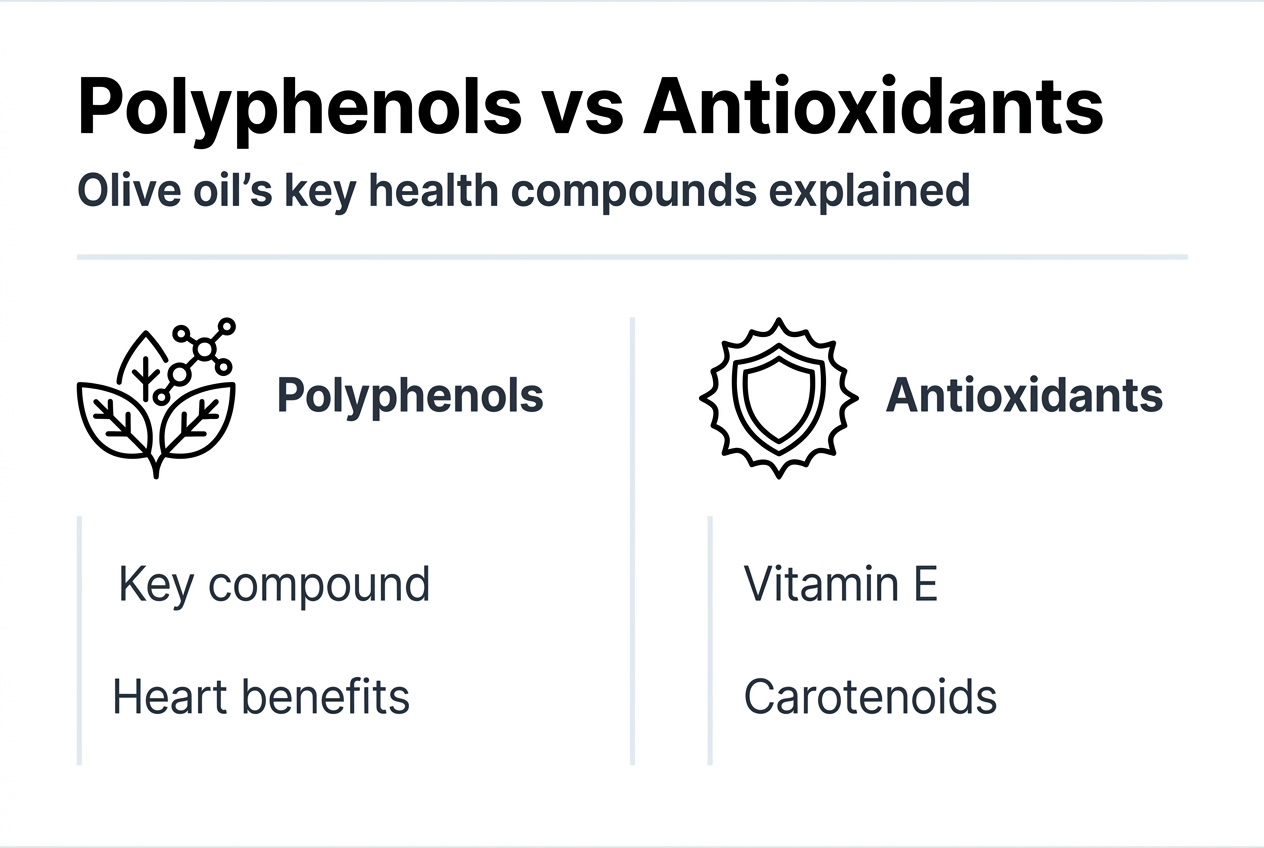
Polyphenols represent a specific chemical class of antioxidants with unique molecular structures characterized by multiple phenol rings. They are the dominant health-relevant antioxidants in EVOO, distinct from other antioxidant types like tocopherols (vitamin E) and carotenoids. Polyphenols are responsible for much of EVOO’s health-promoting properties, including anti-inflammatory and cardioprotective effects that go beyond simple antioxidant action.
About 30 different polyphenolic compounds exist in extra virgin olive oil, with concentrations varying dramatically based on olive cultivar, growing conditions, and processing methods. The most abundant and studied include hydroxytyrosol, tyrosol, oleuropein, and oleocanthal. Each contributes differently to flavor profile, shelf stability, and biological activity in your body.
Understanding these distinctions helps health-conscious consumers evaluate olive oil quality effectively. Not all antioxidants deliver equal benefits. Polyphenols stand out for their ability to modulate inflammation, protect cardiovascular health, and provide measurable clinical outcomes. When you grasp what makes polyphenols special within the broader antioxidant family, you can make smarter purchasing decisions and maximize the health returns from your olive oil investment.
Key distinctions to remember:
- Antioxidants are the broad category; polyphenols are a specialized subset
- Polyphenols have unique chemical structures with multiple phenol groups
- About 30 different polyphenolic compounds appear in quality EVOO
- Concentrations vary widely based on production factors
- Polyphenols deliver benefits beyond basic antioxidant activity
Understanding antioxidants in olive oil: a broader perspective
Extra virgin olive oil contains three major categories of antioxidants, each with distinct chemical properties and biological roles. Recognizing this diversity clarifies why focusing solely on “antioxidants” without specifying type provides incomplete information about health value.
| Antioxidant Type | Chemical Nature | Typical Concentration | Primary Mechanism |
|---|---|---|---|
| Polyphenols | Phenolic compounds | 50-500 mg/kg | Neutralizes free radicals, modulates inflammation, regulates gene expression |
| Vitamin E (Tocopherols) | Fat-soluble vitamins | 100-300 mg/kg | Protects lipid membranes from peroxidation |
| Carotenoids | Pigment molecules | 1-10 mg/kg | Quenches singlet oxygen, minor antioxidant role |
Each antioxidant type protects oil and human cells through different pathways. Vitamin E integrates into cell membranes and lipid structures, intercepting free radicals before they damage fatty acids. This fat-soluble protection helps stabilize the oil during storage and shields your cellular membranes after consumption. However, vitamin E in olive oil contributes relatively little to the dramatic health benefits associated with Mediterranean diet patterns.
Carotenoids like lutein and beta-carotene provide the subtle golden color in quality oils but exist in very low concentrations compared to polyphenols. Their antioxidant contribution in EVOO is minimal, though they offer some protection for eye health when consumed. Most carotenoid benefits come from vegetables and fruits rather than olive oil.
Polyphenols contribute over 70% of antioxidant activity measured in EVOO using standard laboratory tests. They dominate not just in quantity but in biological impact. Beyond scavenging free radicals, polyphenols influence inflammatory pathways, modulate gene expression related to metabolism, and directly affect cardiovascular disease markers. This multi-mechanism action explains why polyphenol content predicts health outcomes better than total antioxidant measurements.
The distinct mechanisms matter for both oil stability and human health:
- Polyphenols protect both water and fat phases of oil and body tissues
- Vitamin E specifically guards lipid membranes and fatty structures
- Carotenoids primarily quench specific reactive oxygen species
- Polyphenols uniquely regulate inflammatory gene expression
- Combined antioxidants work synergistically but polyphenols drive most benefits
Understanding this hierarchy helps explain why antioxidant-rich olive oil specifically means high polyphenol content when discussing health benefits. Generic antioxidant claims don’t capture the critical distinction between polyphenol-driven benefits and the supporting roles of other antioxidant types.
Polyphenols: the key antioxidants in olive oil
Polyphenols in extra virgin olive oil include several major compounds, each with distinct properties. Hydroxytyrosol and tyrosol are simple phenolic alcohols with potent free radical scavenging ability. Oleuropein, most concentrated in unripe olives, breaks down during processing into hydroxytyrosol and other bioactive derivatives. Oleocanthal produces the characteristic peppery throat sensation in quality oils and functions as a natural anti-inflammatory similar to ibuprofen in mechanism.
Polyphenol concentrations range from 50 to 500 mg/kg depending on olive variety, harvest timing, and extraction methods. This tenfold variation explains the dramatic differences in health impact and flavor intensity among commercial olive oils. Premium oils from early harvest, carefully processed olives consistently achieve the higher end of this range.
Polyphenols enhance oxidative stability by interrupting lipid peroxidation chains that cause rancidity. When oils oxidize, they develop off flavors, lose nutritional value, and potentially form harmful compounds. The phenolic compounds donate hydrogen atoms to stabilize free radicals, breaking the chain reaction before significant damage occurs. This extends shelf life naturally without synthetic preservatives and maintains the fresh, fruity flavor profile consumers seek.
Beyond preserving oil quality, polyphenols deliver measurable health benefits through multiple pathways. They reduce systemic inflammation by inhibiting key enzymes like cyclooxygenase and lipoxygenase. They modulate gene expression related to cholesterol metabolism, improving lipid profiles. They protect LDL cholesterol from oxidation, preventing the formation of arterial plaques. They enhance endothelial function, improving blood vessel flexibility and blood pressure regulation.
Key effects of olive oil polyphenols:
- Neutralize free radicals through direct antioxidant action
- Reduce inflammatory markers including TNF-α and IL-6
- Protect LDL cholesterol from oxidative modification
- Improve endothelial function and arterial flexibility
- Modulate genes involved in lipid metabolism and inflammation
- Extend oil shelf life by preventing rancidity
Pro Tip: Higher polyphenol content correlates strongly with fresher, premium quality EVOO and delivers superior health benefits. Look for oils labeled with specific polyphenol levels rather than generic antioxidant claims, and prioritize recent harvest dates to ensure compounds remain potent and bioavailable.
The concentration and composition of polyphenols determine both the sensory experience and therapeutic potential of extra virgin olive oil. Bitterness and pungency indicate polyphenol presence, with stronger sensations generally signaling higher concentrations. This means the oils that make you cough or taste slightly bitter are precisely the ones delivering maximum health protection.
Health benefits attributed to polyphenols vs general antioxidants
Clinical research consistently demonstrates that polyphenols provide health outcomes that other olive oil antioxidants cannot match. Understanding this distinction prevents confusion when evaluating product claims and health recommendations.
Specific health effects from olive oil polyphenols:
Cardiovascular protection: Polyphenols reduce chronic inflammation up to 25% and lower cardiovascular disease risk by improving multiple risk factors simultaneously. They decrease LDL oxidation, reduce arterial inflammation, improve endothelial function, and positively affect blood pressure regulation.
Anti-inflammatory effects: Polyphenols directly inhibit pro-inflammatory signaling pathways and reduce levels of inflammatory markers such as TNF-α, IL-6, and C-reactive protein. This systemic inflammation reduction contributes to protection against chronic diseases including diabetes, neurodegenerative conditions, and metabolic syndrome.
Lipid protection: By preventing LDL cholesterol oxidation, polyphenols stop the critical first step in atherosclerosis development. This protection goes far beyond the modest membrane stabilization provided by vitamin E.
Gene expression modulation: Polyphenols activate beneficial gene pathways related to antioxidant enzyme production, anti-inflammatory responses, and cellular stress resistance. This epigenetic influence extends benefits beyond direct biochemical interactions.
Metabolic benefits: Regular polyphenol intake improves insulin sensitivity, reduces oxidative stress markers, and supports healthy glucose metabolism in ways unmatched by other olive oil antioxidants.
Clinical studies show that consuming olive oil with documented high polyphenol content produces measurable reductions in inflammatory biomarkers and cardiovascular risk factors, while olive oil low in polyphenols but containing vitamin E and carotenoids fails to produce the same benefits.
Vitamin E in olive oil provides limited cardiovascular benefit compared to polyphenols. While it protects cell membranes from oxidative damage, supplementation studies show vitamin E alone does not reduce heart disease risk or inflammatory markers significantly. The modest amounts in EVOO contribute to overall antioxidant capacity but don’t drive the impressive health outcomes associated with Mediterranean diet patterns.
Carotenoids in olive oil exist in such low concentrations that they contribute negligibly to health benefits. Their primary value comes from colorful vegetables and fruits where concentrations are 10 to 100 times higher. Labeling olive oil as antioxidant-rich based on carotenoid content would be misleading since these compounds barely register compared to polyphenols.
Polyphenols work through mechanisms that extend far beyond simple antioxidant activity. They function as signaling molecules, influencing cellular pathways that regulate inflammation, metabolism, and stress responses. This explains why polyphenolic olive oil provides benefits that cannot be replicated by synthetic antioxidants or vitamin E supplements, despite similar free radical scavenging ability in test tubes.
Common misconceptions and clarifications
Several persistent myths about olive oil antioxidants confuse consumers and undermine informed purchasing decisions. Correcting these misunderstandings helps you evaluate products accurately and avoid marketing manipulation.
Myth: All antioxidants in EVOO are polyphenols.
Reality: Extra virgin olive oil contains polyphenols, vitamin E, and carotenoids as distinct antioxidant families. Polyphenols dominate health benefits, but other compounds contribute to overall antioxidant capacity and oil stability. Understanding this diversity matters when interpreting lab tests and product claims.
Myth: Total antioxidant content predicts health benefits.
Reality: Tests measuring total antioxidant capacity don’t distinguish between polyphenol-driven benefits and less impactful compounds. An oil high in vitamin E but low in polyphenols will score well on generic antioxidant tests yet deliver minimal cardiovascular or anti-inflammatory benefits. Polyphenol-specific measurements provide far better quality indicators.
Myth: Any olive oil labeled antioxidant-rich provides health benefits.
Reality: Marketing claims about antioxidants often reference vitamin E or generic capacity without specifying polyphenol content. EU regulations require specific minimum polyphenol levels for health claims about protecting blood lipids from oxidative damage. Look for certifications meeting these standards rather than vague antioxidant marketing.
Myth: Longer shelf life means healthier oil.
Reality: While polyphenols do extend shelf life by preventing rancidity, some producers achieve stability through minimal processing that also removes beneficial polyphenols. Refined olive oils last longer than many extra virgin varieties but lack health-promoting compounds. Fresh, high-polyphenol EVOO properly stored offers the best combination of stability and benefits.
Other common confusions:
- Equating color intensity with antioxidant content (carotenoids provide color but minimal benefits)
- Assuming all bitter oils are defective (bitterness often indicates beneficial polyphenols)
- Believing cooking destroys all antioxidants (polyphenols remain stable at moderate temperatures)
- Thinking organic certification guarantees high polyphenol content (helps but doesn’t ensure it)
- Confusing taste preference with nutritional quality (mild oils may lack protective compounds)
Pro Tip: When shopping for olive oil in 2026, prioritize products listing specific polyphenol content in mg/kg over those making generic antioxidant claims. Reputable producers provide lab results showing hydroxytyrosol and tyrosol concentrations, giving you concrete quality metrics rather than marketing buzzwords.
The EU established clear standards requiring oils to contain at least 5 mg of hydroxytyrosol and its derivatives per 20 g serving to make health claims about protecting blood lipids. This regulatory framework helps consumers identify oils delivering real benefits versus those with impressive-sounding but meaningless antioxidant descriptions.
Measurement standards and health claims
Official measurement methods and regulatory standards provide consumers with trustworthy benchmarks for evaluating olive oil quality. Understanding these frameworks empowers informed purchasing decisions based on objective criteria rather than marketing claims.
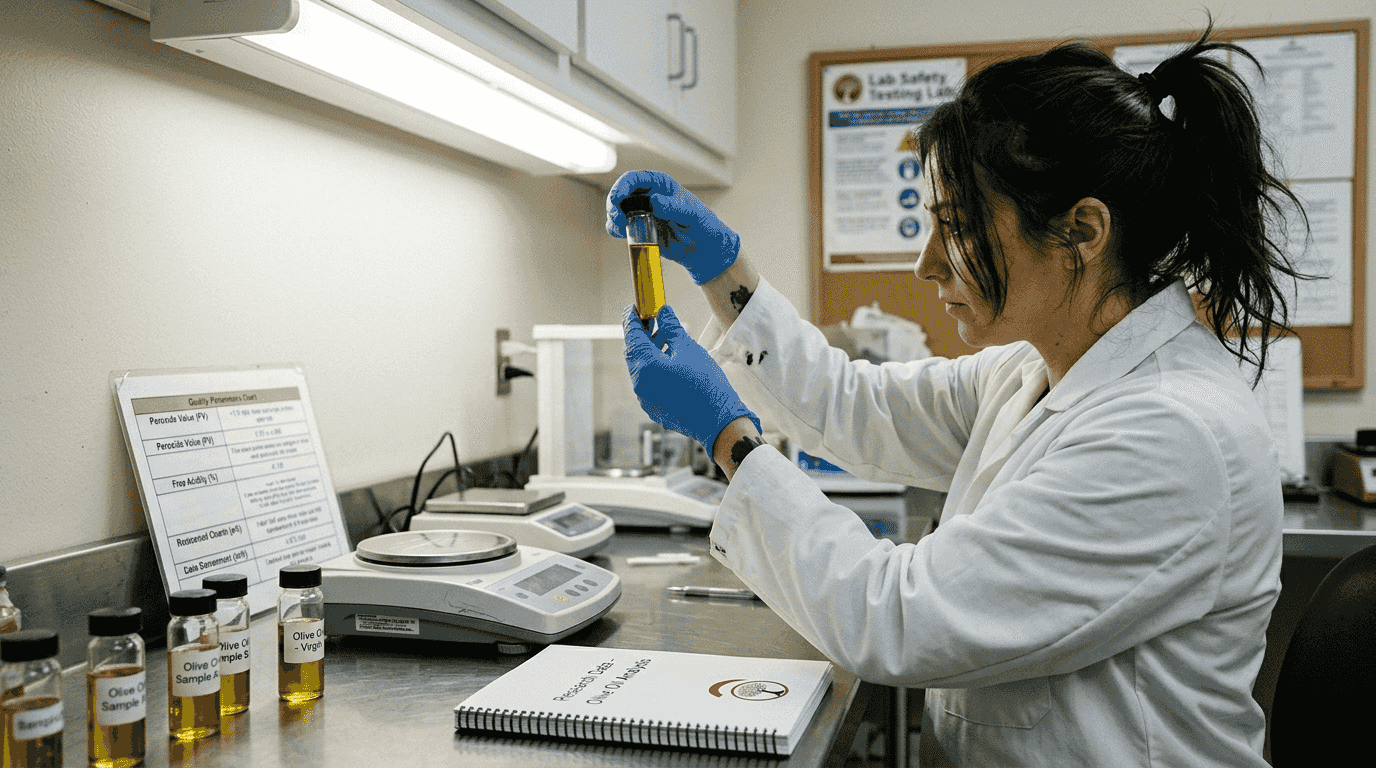
The European Union employs high-performance liquid chromatography (HPLC) to quantify polyphenol content in olive oil. This analytical method separates and measures individual phenolic compounds including hydroxytyrosol, tyrosol, oleuropein derivatives, and other health-relevant molecules. HPLC provides accurate, reproducible results that form the basis for official health claims and quality certifications.
The EU health claim requires at least 5 mg of hydroxytyrosol and its derivatives (including oleuropein complex and tyrosol) per 20 g of olive oil. This threshold allows producers to legally state that “olive oil polyphenols contribute to the protection of blood lipids from oxidative stress.” The claim must also note that the beneficial effect is obtained with a daily intake of 20 g of olive oil, roughly 1.5 tablespoons.
| Polyphenol Level | Meets Health Claim | Typical Quality |
|---|---|---|
| Below 100 mg/kg | No | Low-grade, refined, or poorly processed |
| 100-250 mg/kg | Borderline | Standard commercial EVOO |
| 250-400 mg/kg | Yes (well above threshold) | Premium quality EVOO |
| Above 400 mg/kg | Yes (excellent) | Exceptional early harvest oils |
These measurement standards and labeling requirements improve consumer trust by providing verifiable quality indicators. When oils carry certified health claims, you know they meet minimum efficacy thresholds established through clinical research. This transparency helps differentiate genuinely beneficial products from those relying on vague marketing language.
How measurement standards benefit consumers:
- Provide objective quality benchmarks independent of marketing claims
- Enable direct comparison between products using standardized metrics
- Ensure health claims rest on verified polyphenol concentrations
- Create accountability for producers making therapeutic benefit statements
- Help identify premium oils worth higher prices based on documented content
Understanding these standards transforms olive oil selection from guesswork into informed decision-making. When evaluating products, ask whether polyphenol content has been measured using official methods and whether concentrations meet regulatory thresholds. Quality evaluation guides help you interpret certifications and lab results, ensuring your purchasing decisions align with health priorities.
The 5 mg per 20 g threshold represents a minimum effective dose established through clinical trials showing measurable reductions in LDL oxidation. Many premium oils contain two to four times this amount, potentially delivering proportionally greater benefits. However, the relationship between dose and response may not be strictly linear, and individual variation affects outcomes.
Olive oil production impact on polyphenols and antioxidants
Production and processing methods dramatically influence final polyphenol concentrations, explaining the wide variation in health value among extra virgin olive oils. Understanding these factors helps you ask informed questions when selecting products.
Malaxation temperature and duration critically affect polyphenol retention. This process involves slowly mixing crushed olive paste to facilitate oil droplet coalescence before extraction. Lower temperatures (below 27°C) preserve more polyphenols but reduce oil yield, creating a quality versus quantity tradeoff. Extended malaxation times (over 45 minutes) allow enzymatic degradation of phenolic compounds, lowering health value despite increasing oil extraction efficiency.
Organic versus conventional farming impacts polyphenol development through stress responses. Olives grown without synthetic pesticides or fertilizers often produce higher polyphenol concentrations as a natural defense mechanism against environmental stresses, pests, and diseases. This phenomenon, called hormesis, means moderate stress during growth can enhance beneficial compound production. However, excessive stress from drought or disease reduces overall fruit quality, so optimal conditions balance challenge and support.
Harvest timing profoundly influences polyphenol content. Early harvest olives, picked when still green and unripe, contain dramatically higher polyphenol concentrations than fully ripe, dark purple olives harvested weeks later. The tradeoff involves lower oil yields and more bitter, pungent flavors that some consumers find less appealing. Premium producers prioritize early harvest specifically to maximize health compounds despite economic costs.
Critical production variables affecting polyphenol levels:
- Harvest timing (early harvest yields 2-3x more polyphenols than late harvest)
- Malaxation temperature (every 5°C increase reduces polyphenols by 10-20%)
- Malaxation duration (extended times allow enzymatic degradation)
- Extraction method (gentle centrifugation preserves more compounds than harsh pressing)
- Time from harvest to processing (delays cause polyphenol loss)
- Storage conditions (light, heat, and oxygen degrade polyphenols rapidly)
Poor storage and handling can eliminate the polyphenol advantage even when initial content is excellent. Exposure to light accelerates photo-oxidation of phenolic compounds. High temperatures promote chemical degradation. Oxygen contact initiates enzymatic and chemical breakdown. Quality producers use dark glass bottles, store oils in temperature-controlled facilities, and minimize headspace in containers to preserve polyphenol integrity from production through consumption.
The organic olive oil selection process accounts for these variables, prioritizing producers who demonstrate commitment to polyphenol preservation at every stage. When evaluating oils, consider not just initial polyphenol content but also how production and storage practices protect these valuable compounds throughout the supply chain.
Practical guidance for consumers: choosing high-polyphenol olive oil
Translating knowledge into action requires specific strategies for identifying, selecting, and preserving high-polyphenol extra virgin olive oil. These practical tips empower you to maximize health benefits from your olive oil choices.
Reading and interpreting labels:
Look for specific polyphenol content stated in mg/kg or mg/L. Certifications meeting EU health claim standards (minimum 5 mg hydroxytyrosol and derivatives per 20 g serving) indicate verified quality. Harvest dates matter more than best-by dates because polyphenols degrade over time regardless of whether oil has gone rancid. Choose oils from the most recent harvest available, preferably within 12-18 months.
Sensory indicators of high polyphenol content:
Pungency creates a peppery, throat-catching sensation that may make you cough. This indicates oleocanthal presence, a potent anti-inflammatory polyphenol. Bitterness, especially noticeable on the back of the tongue, signals other beneficial phenolic compounds. Grassy, herbaceous, or green aromas suggest fresh, early harvest oils rich in polyphenols. Don’t avoid these intense sensory characteristics; they mark the oils delivering maximum health benefits.
Storage practices to preserve antioxidants:
- Store bottles in cool, dark locations away from heat sources and light exposure
- Use airtight containers and minimize air contact by not leaving bottles open
- Buy quantities you’ll consume within 2-3 months of opening
- Transfer large containers to smaller bottles as you use them to reduce headspace
- Keep oils away from the stove where heat accelerates degradation
- Consider refrigerating high-polyphenol oils if you live in hot climates
Selection criteria for different priorities:
- Cardiovascular health focus: Choose oils with documented polyphenol content above 300 mg/kg
- Anti-inflammatory goals: Prioritize oils high in oleocanthal (peppery throat sensation)
- Cooking applications: Select robust, high-polyphenol oils for moderate heat cooking
- Raw applications: Use your highest polyphenol oils for drizzling and dressings where flavors shine
- Budget considerations: Buy directly from producers or specialty importers for better value on premium oils
Pro Tip: Choose EVOO from reputable brands that provide detailed test results or polyphenol quantification on labels or websites. Transparency about specific compound concentrations demonstrates commitment to quality and gives you concrete data for comparison shopping. Avoid products making vague antioxidant claims without supporting documentation.
When taste testing oils before purchase, pay attention to the intensity of pungency and bitterness rather than seeking mild, buttery profiles. The oils that create strong sensory reactions contain the polyphenols your body needs for cardiovascular protection and inflammation reduction. Learning to appreciate these flavors transforms olive oil from a cooking fat into a functional food delivering measurable health benefits.
Consider your consumption patterns when selecting oils. If you use olive oil generously for cooking and drizzling, investing in high-polyphenol varieties makes economic sense because you’re maximizing the health return on every serving. For occasional use, even small bottles of premium oils provide excellent value by ensuring the oil you do consume delivers optimal benefits.
Explore quality guides and selection resources to deepen your understanding of certifications, production methods, and regional characteristics. Knowledge empowers you to navigate the complex olive oil market confidently, identifying exceptional oils that support your health goals while avoiding overpriced products that don’t deliver proportional value.
Discover high-polyphenol extra virgin olive oils at Terra Centuria
Applying the insights from this guide becomes easier when you have access to verified, premium quality olive oils meeting the standards discussed. Terra Centuria specializes in certified high-polyphenol organic EVOO from Slovenian Istria, produced using traditional methods that prioritize health benefits and sustainability.
Our high-polyphenol organic EVOO reflects the quality criteria outlined throughout this article. Early harvest timing, careful temperature-controlled processing, and organic cultivation methods ensure maximum polyphenol retention. Detailed lab results document specific compound concentrations, giving you the transparency necessary for informed decisions. The comprehensive selection guide helps you understand what makes these oils exceptional and how to incorporate them into your wellness routine. Explore the organic selection process to see how traditional craftsmanship and modern quality standards combine to produce olive oils that deliver measurable health benefits alongside exceptional flavor.
FAQ
Are polyphenols the same as antioxidants?
Polyphenols are a specialized subset of antioxidants with unique chemical structures featuring multiple phenol groups. While all polyphenols function as antioxidants, not all antioxidants are polyphenols. Olive oil contains other antioxidants including vitamin E and carotenoids, but polyphenols provide the most significant health benefits through anti-inflammatory and cardioprotective mechanisms that extend beyond simple free radical neutralization.
How do polyphenols benefit heart health compared to other antioxidants?
Polyphenols reduce inflammation and oxidative damage in blood lipids through multiple pathways simultaneously. They inhibit LDL cholesterol oxidation, reduce inflammatory markers like TNF-α and IL-6, improve endothelial function, and modulate gene expression related to cardiovascular health. Other antioxidants like vitamin E in olive oil protect cell membranes but produce minimal cardiovascular benefits compared to the comprehensive protection polyphenols deliver through their multi-mechanism action.
How can I tell if my olive oil contains high polyphenol levels?
Look for labels stating specific polyphenol content in mg/kg, preferably above 250 mg/kg for premium quality. Certifications meeting EU health claim standards guarantee minimum effective doses. Sensory cues include pronounced pungency causing a peppery throat sensation and noticeable bitterness, both indicating polyphenol presence. Fresh harvest dates within the past 12-18 months and reputable brand transparency about lab testing provide additional quality assurance that polyphenol levels remain high and bioactive.
Recommended
- Polyphenolic Olive Oil: Unlocking Its Antioxidant Power – Terra Centuria
- High Polyphenol Olive Oil Guide: Choose, Taste, and Verify – Terra Centuria
- High Polyphenol Olive Oil: Unlocking Potent Health Benefits – Terra Centuria
- Why Choose Extra Virgin Olive Oil: Antioxidant Impact – Terra Centuria
- Comida catalana tradicional: sabor, salud y cultura