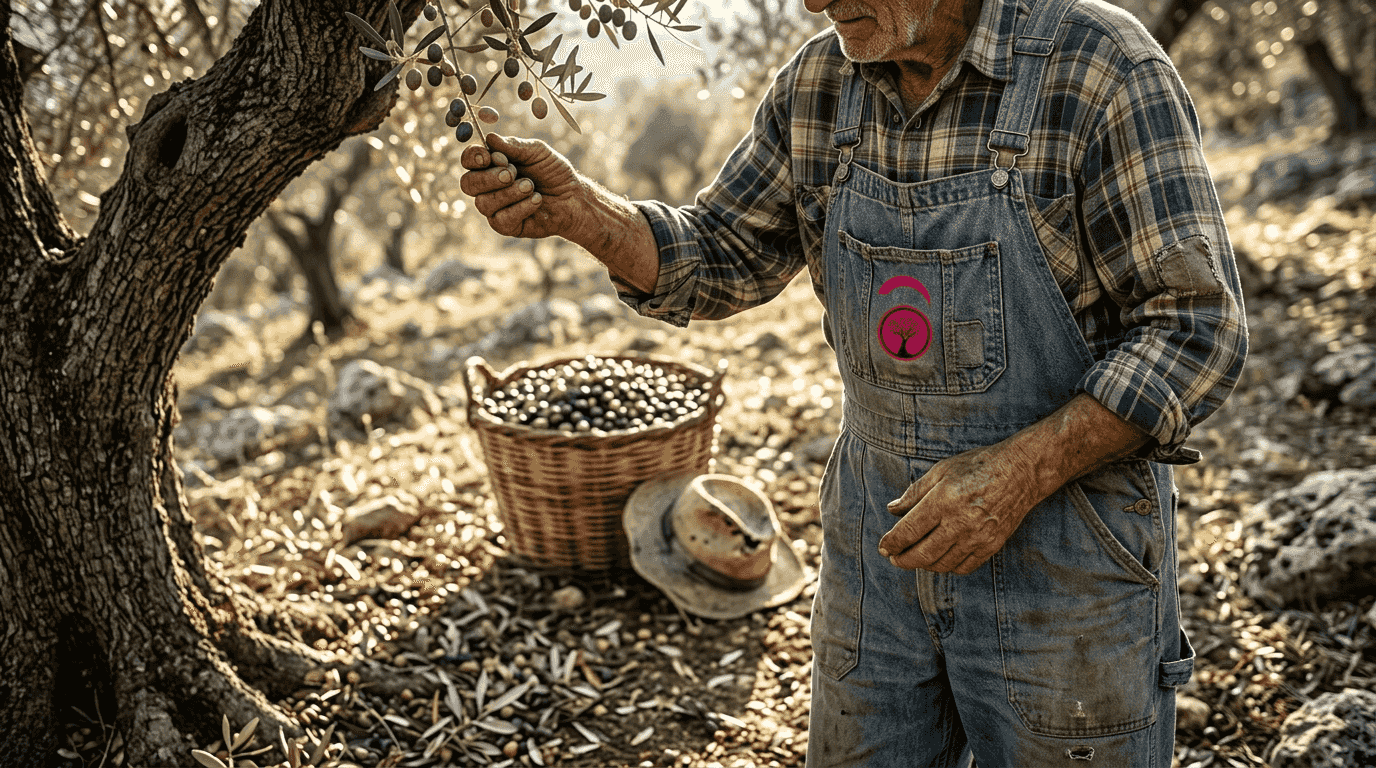
Most people think olive oil is just pressed olives in a bottle, but traditional production is a cultural craft that directly impacts the health benefits you receive. Understanding artisanal methods reveals why some oils deliver 75% more antioxidants than mass-produced alternatives. This guide explores how traditional techniques preserve nutrients, the differences between artisanal and industrial processes, and practical ways to select and use authentic olive oil for maximum wellness benefits.
Table of Contents
- Understanding Traditional Olive Oil Production Methods
- How Traditional Methods Affect Olive Oil Quality And Health Benefits
- Comparing Traditional And Modern Industrial Olive Oil Production
- Choosing And Using Traditional Olive Oil In Your Kitchen
- Discover Premium Traditional Olive Oil From Terra Centuria
- Frequently Asked Questions
Key takeaways
| Point | Details |
|---|---|
| Traditional methods preserve nutrients | Cold pressing without heat retains polyphenols and antioxidants that industrial processing destroys. |
| Cultural heritage matters | Artisanal techniques passed through generations ensure quality and authentic flavor profiles. |
| Health benefits differ significantly | Traditional oils contain substantially higher antioxidant levels supporting cardiovascular and anti-inflammatory health. |
| Selection requires knowledge | Understanding production labels and quality markers helps you choose genuinely beneficial olive oil. |
Understanding traditional olive oil production methods
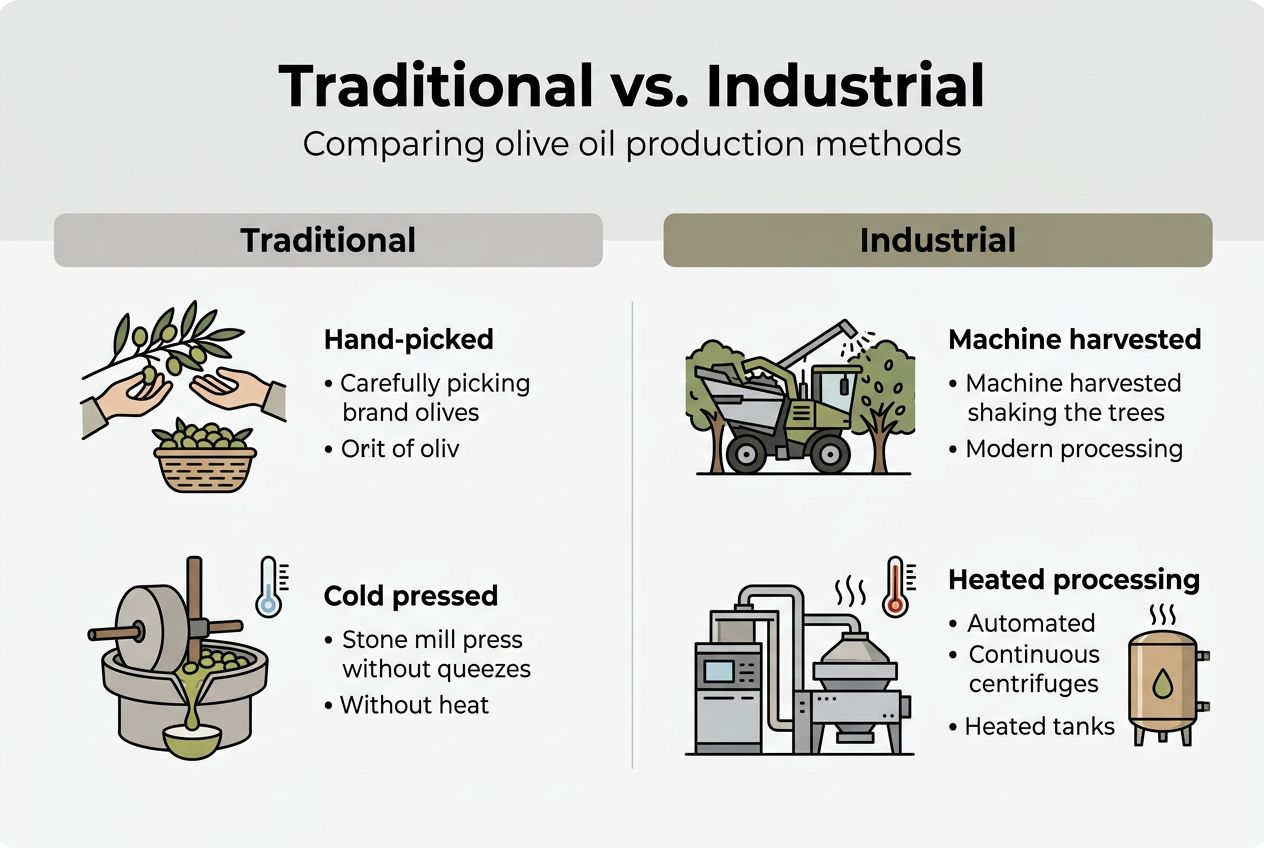
Traditional olive oil production begins with careful harvesting that respects both the fruit and the tree. Farmers hand-pick olives or use gentle mechanical shaking to prevent bruising, which can trigger oxidation and reduce oil quality. Timing matters enormously because harvesting at optimal ripeness balances flavor intensity with antioxidant concentration.
Once collected, olives move quickly to processing to prevent fermentation. Workers wash the fruit thoroughly, then crush it using stone mills or modern equivalents that mimic traditional grinding without generating heat. This crushing creates a paste containing oil, water, and solid particles. The paste undergoes malaxation, a slow mixing process that allows tiny oil droplets to combine into larger ones for easier extraction.
Cold pressing extracts oil from the paste without applying heat or chemicals. Traditional presses use hydraulic pressure on layered mats containing the paste, while some artisanal producers use early-generation centrifuges that maintain low temperatures. The key distinction is temperature control: keeping the process below 80°F preserves delicate antioxidants and aromatic compounds.
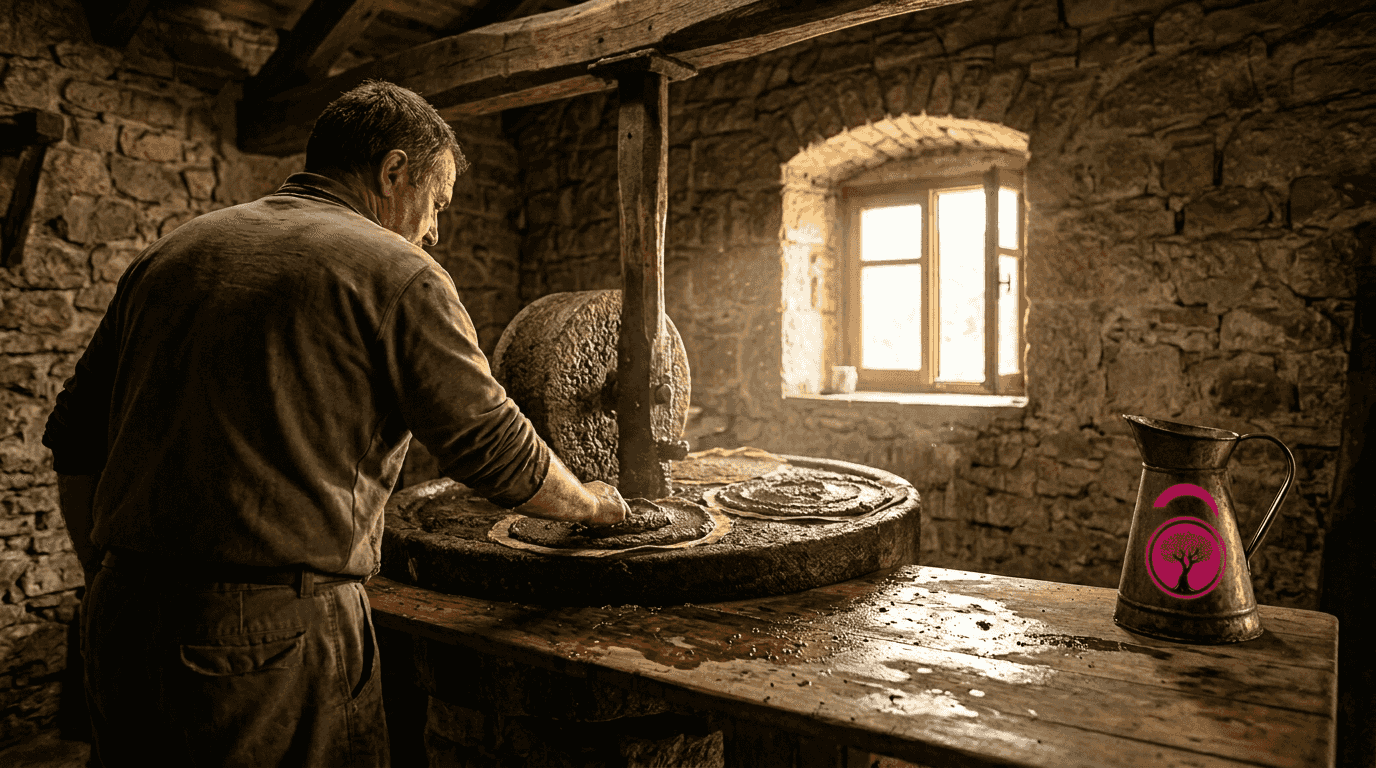
The extracted liquid separates naturally into oil and water. Traditional methods allow gravity separation or use gentle decanting, avoiding harsh industrial centrifugation that can strip beneficial compounds. The resulting oil is unfiltered or lightly filtered, retaining small particles that contribute to flavor complexity and nutritional density.
Modern artisanal producers blend traditional wisdom with careful quality control. They test acidity levels, perform sensory evaluations, and verify that processing temperatures never compromise the oil’s extra virgin status. This attention to detail distinguishes authentic traditional production from industrial operations.
Pro Tip: Harvesting olives at optimal ripeness maximizes both flavor intensity and polyphenol content, so look for producers who specify harvest timing on their labels.
Traditional production steps include:
- Hand harvesting or gentle mechanical collection to prevent fruit damage
- Immediate processing within 24 hours to avoid fermentation
- Stone milling or low-speed crushing to create paste without heat
- Cold malaxation to aggregate oil droplets naturally
- Hydraulic pressing or low-temperature centrifugation for extraction
- Gravity separation or gentle decanting to isolate pure oil
How traditional methods affect olive oil quality and health benefits
The production method you choose directly determines the antioxidant content you consume. Cold pressed oils retain up to 75% more antioxidants than heat-processed alternatives because polyphenols and vitamins degrade rapidly above 80°F. These compounds, including hydroxytyrosol and oleocanthal, provide the anti-inflammatory and cardiovascular benefits that make olive oil a functional food.
Traditional processing preserves flavor complexity that industrial methods destroy. The phenolic compounds responsible for peppery, bitter, and fruity notes are the same molecules delivering health benefits. When you taste a well-made traditional oil, the slight burn in your throat signals oleocanthal presence, a compound with anti-inflammatory effects comparable to ibuprofen.
Research comparing traditional and industrial oils reveals stark nutritional differences. A study analyzing antioxidant levels found traditional extra virgin olive oil contained 250-800 mg/kg of polyphenols, while refined oils measured below 100 mg/kg. This gap explains why some oils offer genuine wellness benefits while others function merely as cooking fats.
The malaxation phase particularly influences quality. Traditional producers mix the paste for 20-40 minutes at controlled temperatures, allowing enzymatic reactions that develop flavor while preserving antioxidants. Rushing this process or applying heat increases yield but sacrifices the compounds that make olive oil beneficial.
Storage and handling after production matter equally. Traditional producers use dark glass bottles and nitrogen flushing to prevent oxidation. They understand that even perfectly produced oil degrades when exposed to light, heat, or oxygen. This commitment to quality extends beyond the press to ensure consumers receive oil with intact health properties.
Pro Tip: Look for oils labeled “first cold pressed” and verify the harvest date, as polyphenol levels decrease over time even in well-stored bottles.
| Quality Factor | Traditional Method Impact | Health Benefit |
|---|---|---|
| Polyphenol content | 250-800 mg/kg retained | Anti-inflammatory and antioxidant protection |
| Vitamin E levels | Preserved through cold processing | Cellular health and aging prevention |
| Oleic acid integrity | Maintained without heat damage | Cardiovascular support and cholesterol management |
| Aromatic compounds | Complex flavor profile preserved | Indicates antioxidant presence and quality |
Key health advantages of traditional production:
- Higher antioxidant density supporting cellular health and disease prevention
- Preserved anti-inflammatory compounds reducing chronic inflammation markers
- Intact vitamin E and polyphenols protecting against oxidative stress
- Natural flavor compounds indicating nutrient integrity and freshness
- Minimal processing preserving the olive fruit’s complete nutritional profile
Comparing traditional and modern industrial olive oil production
Industrial production prioritizes efficiency and yield over nutritional quality. Large facilities process thousands of tons daily using high-speed centrifuges, heat extraction, and chemical refining. These methods increase oil extraction rates from 15% to 25% but destroy the delicate compounds that provide health benefits.
The temperature difference alone explains quality gaps. Industrial processors often heat paste to 95-105°F or higher, accelerating extraction but degrading polyphenols. Some facilities use chemical solvents like hexane to extract every drop of oil from the paste, creating products labeled “olive oil” or “light olive oil” that bear little resemblance to traditional extra virgin varieties.
Refined oils undergo additional processing to remove color, flavor, and odor. Producers blend these neutral oils with small amounts of virgin oil to create marketable products. The refining process strips virtually all antioxidants, leaving primarily oleic acid and calories. While these oils work for high-heat cooking, they offer minimal wellness benefits compared to authentic traditional oils.
Environmental impact differs dramatically between methods. Traditional small-scale production uses less energy, generates organic waste suitable for composting, and typically occurs near olive groves, reducing transportation emissions. Industrial facilities consume significant electricity for heating and centrifugation, produce chemical waste from refining, and often process olives shipped long distances.
Cost considerations favor industrial production for basic cooking needs but traditional methods for health-focused consumers. Mass-produced oils cost $8-15 per liter, while artisanal traditional oils range from $25-60 per liter. The price difference reflects labor intensity, lower yields, and quality control investments that preserve nutritional value.
| Aspect | Traditional Production | Industrial Production |
|---|---|---|
| Extraction method | Cold pressing, stone mills, hydraulic presses | High-speed centrifuges, heat, chemical solvents |
| Processing temperature | Below 80°F throughout | Often 95-105°F or higher |
| Antioxidant retention | 250-800 mg/kg polyphenols | Below 100 mg/kg, often near zero after refining |
| Yield efficiency | 12-18% oil from olives | 20-25% through aggressive extraction |
| Environmental impact | Low energy, organic waste, local processing | High energy use, chemical waste, long-distance shipping |
| Typical cost | $25-60 per liter | $8-15 per liter |
| Primary benefit | Maximum health properties and flavor | Affordability and high-heat cooking stability |
Distinguishing features of each approach:
- Traditional methods preserve cultural heritage and artisanal knowledge passed through generations
- Industrial processing makes olive oil accessible to mass markets at affordable prices
- Quality testing differs: traditional producers emphasize sensory evaluation and polyphenol analysis
- Industrial facilities focus on consistency, shelf stability, and standardized flavor profiles
- Traditional oils require careful storage and relatively quick consumption for optimal benefits
- Refined industrial oils remain stable longer but offer minimal nutritional advantages over other cooking fats
Choosing and using traditional olive oil in your kitchen
Selecting authentic traditional olive oil requires understanding labels and quality indicators. Start by verifying “extra virgin” designation, which legally requires cold extraction and acidity below 0.8%. Look for harvest dates within the past 12-18 months, as polyphenol levels decline over time even in properly stored bottles.
Tasting reveals quality that labels cannot guarantee. Pour a small amount into a glass, warm it with your hands, and inhale deeply. Quality traditional oil smells fresh and fruity, sometimes with grassy or herbal notes. Taste a small sip, drawing air across your tongue. You should detect fruitiness, pleasant bitterness, and a peppery finish that causes a slight cough. These characteristics indicate polyphenol presence.
Storage determines how long your oil maintains its beneficial properties. Keep bottles in a cool, dark pantry away from the stove. Heat, light, and oxygen degrade antioxidants rapidly. Transfer oil to smaller bottles as you use it, minimizing air exposure. Dark glass or tin containers protect better than clear bottles.
Step-by-step selection process:
- Verify extra virgin designation and check for harvest date on the label
- Look for origin information specifying the region or estate where olives grew
- Choose dark glass or tin containers that protect oil from light damage
- Smell the oil for fresh, fruity aromas without musty or rancid notes
- Taste for balanced fruitiness, bitterness, and peppery finish indicating polyphenols
- Consider certified organic or estate-bottled oils for additional quality assurance
Traditional olive oil works best in applications that preserve its delicate compounds. Use it for salad dressings, finishing dishes, and low-heat cooking below 350°F. The antioxidants that make traditional oil healthy begin degrading at high temperatures, so save premium bottles for raw applications where you taste the full flavor complexity.
Daily consumption supports wellness when incorporated thoughtfully. Research suggests 1-2 tablespoons daily provides cardiovascular benefits and anti-inflammatory effects. Drizzle over vegetables, use in vinaigrettes, or consume a small amount before meals to support nutrient absorption.
Pro Tip: Incorporate traditional olive oil into meals containing fat-soluble vitamins like A, D, E, and K to maximize nutrient absorption and antioxidant benefits.
Common mistakes to avoid:
- Buying large quantities that oxidize before use, wasting money and nutrients
- Storing near the stove where heat accelerates degradation
- Using premium traditional oil for high-heat cooking that destroys beneficial compounds
- Ignoring harvest dates and buying old oil with depleted antioxidant levels
- Choosing based solely on price without considering quality indicators
- Keeping bottles in clear glass on countertops exposed to light
Discover premium traditional olive oil from Terra Centuria
Now that you understand what makes traditional olive oil exceptional, experience the difference yourself with Terra Centuria’s premium high polyphenol EVOO. Our organic extra virgin olive oil comes from Slovenian Istria, where centuries of artisanal knowledge meet modern quality standards. Each bottle represents careful hand harvesting and cold pressing that preserves maximum antioxidants and authentic flavor.
We apply rigorous evaluation processes to ensure every bottle meets the traditional production standards described in this guide. Our commitment to quality means you receive oil with verified high polyphenol content, supporting your wellness goals with every use. Explore our selection to taste the health benefits and cultural heritage that only authentic traditional production can deliver.
Frequently asked questions
What is the key difference between traditional and modern olive oil production?
Traditional production uses cold pressing without heat or chemicals, preserving antioxidants and polyphenols that provide health benefits. Modern industrial methods often apply heat above 95°F and chemical solvents to maximize yield, destroying delicate beneficial compounds and creating refined oils with minimal nutritional value beyond basic fats.
How can I tell if an olive oil is traditionally made?
Look for “extra virgin” and “first cold pressed” designations on the label, along with harvest dates and origin information. Taste the oil for peppery, bitter, and fruity notes that indicate polyphenol presence. Avoid products labeled simply “olive oil” or “light olive oil,” which are refined and lack traditional production’s health benefits.
Are traditional olive oils healthier than industrially produced ones?
Yes, traditional cold pressed oils contain up to 75% more antioxidants than processed alternatives. These polyphenols and vitamins support cardiovascular health, reduce inflammation, and protect against oxidative stress. Refined industrial oils lose most beneficial compounds during processing, functioning primarily as cooking fats without significant wellness advantages.
What is the best way to store traditional olive oil?
Store bottles in a cool, dark pantry away from heat sources and direct sunlight, ideally between 57-70°F. Use dark glass or tin containers that block light, and keep bottles tightly sealed after opening to minimize oxygen exposure. Transfer oil to smaller bottles as you use it, reducing air contact that accelerates oxidation and antioxidant degradation.
How much traditional olive oil should I consume daily for health benefits?
Research suggests 1-2 tablespoons daily provides cardiovascular and anti-inflammatory benefits without excessive calories. Use it in salad dressings, drizzle over cooked vegetables, or consume before meals to support absorption of fat-soluble vitamins. Consistency matters more than quantity, so incorporate traditional olive oil into your regular eating patterns for sustained wellness support.
Recommended
- Organic Olive Oil Evaluation Guide for Quality Selection – Terra Centuria
- Organic Olive Oil Selection Process for Premium Quality – Terra Centuria
- High Polyphenol Olive Oil Guide: Choose, Taste, and Verify – Terra Centuria
- Cold Pressed Olive Oil: 75% More Antioxidants Proven – Terra Centuria
- Cooking Oils – TOJ EXPRESS
- Traditional Italian Artisans – Why Craftsmanship Matters – San Rocco Italia