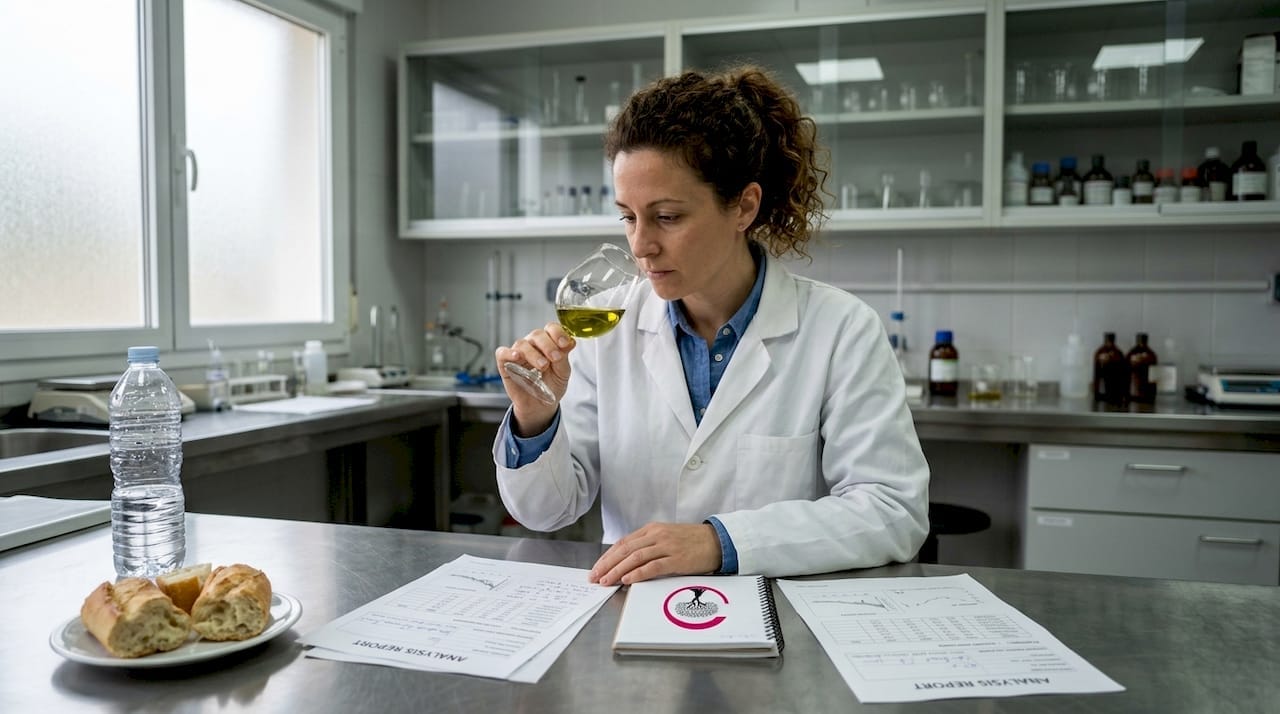
Most people assume that grabbing a bottle labeled “extra virgin olive oil” means they’re getting the best. That assumption is expensive and, more importantly, wrong. UC Davis research found that 69 to 73% of imported EVOO sold in the US fails minimum quality standards. The gap between a standard bottle and a genuinely premium one is enormous, covering chemistry, craftsmanship, flavor, and health impact. This guide breaks down exactly what separates true premium olive oil from the rest, so you can shop with confidence and get the health benefits you’re actually paying for.
Table of Contents
- Understanding olive oil grades: Standard vs. premium
- What defines ‘premium’ olive oil? Core criteria for quality
- Craftsmanship behind premium EVOO: From orchard to bottle
- Premium olive oil and health: Nutrients and antioxidant advantage
- How to recognize true premium olive oil: Quick buying checklist
- Explore certified premium extra virgin olive oils
- Frequently asked questions
Key Takeaways
| Point | Details |
|---|---|
| Strict standards matter | True premium olive oil exceeds basic EVOO criteria with lower acidity and official certifications. |
| Health boost confirmed | Premium oils deliver higher polyphenols and antioxidants for real, research-backed health benefits. |
| Process ensures quality | Careful harvesting, cold extraction, and proper storage preserve both flavor and nutrients. |
| Know what to look for | Check for harvest date, certification, and lab analysis to confidently buy premium oil. |
Understanding olive oil grades: Standard vs. premium
The International Olive Council (IOC) sets the global baseline for what can legally be called extra virgin olive oil. To meet that standard, an oil must have free acidity ≤0.8% oleic acid, a peroxide value no higher than 20 meq O2/kg, and pass a sensory panel showing no defects and a positive fruitiness score. That’s the floor, not the ceiling.
Premium olive oil goes well beyond that floor. Some certifications, like the California Olive Oil Council (COOC), require acidity ≤0.5% and apply stricter sensory testing through IOC-recognized panels. Lab certificates of analysis (COA) verify polyphenol content, which is a key marker that standard labeling doesn’t require at all. Understanding this distinction is the first step toward making a smarter choice.
| Quality marker | Standard EVOO | Premium EVOO |
|---|---|---|
| Free acidity | ≤0.8% | ≤0.5% or lower |
| Peroxide value | ≤20 meq O2/kg | Often ≤10 meq O2/kg |
| Polyphenol content | No minimum required | Typically 300+ mg/kg |
| Sensory evaluation | Basic IOC panel | Stricter certified panel |
| Lab COA provided | Rarely | Standard practice |
If you want to go deeper on what polyphenol content actually means for your health, the high polyphenol olive oil guide walks through the science clearly. And if you’re curious about how sourcing decisions affect quality from the start, the organic olive oil selection process explains what responsible producers do differently.
What defines ‘premium’ olive oil? Core criteria for quality
Once you understand the grading gap, the next question is: what specific factors push an oil into premium territory? There are three pillars: chemistry, sensory quality, and verified certification.
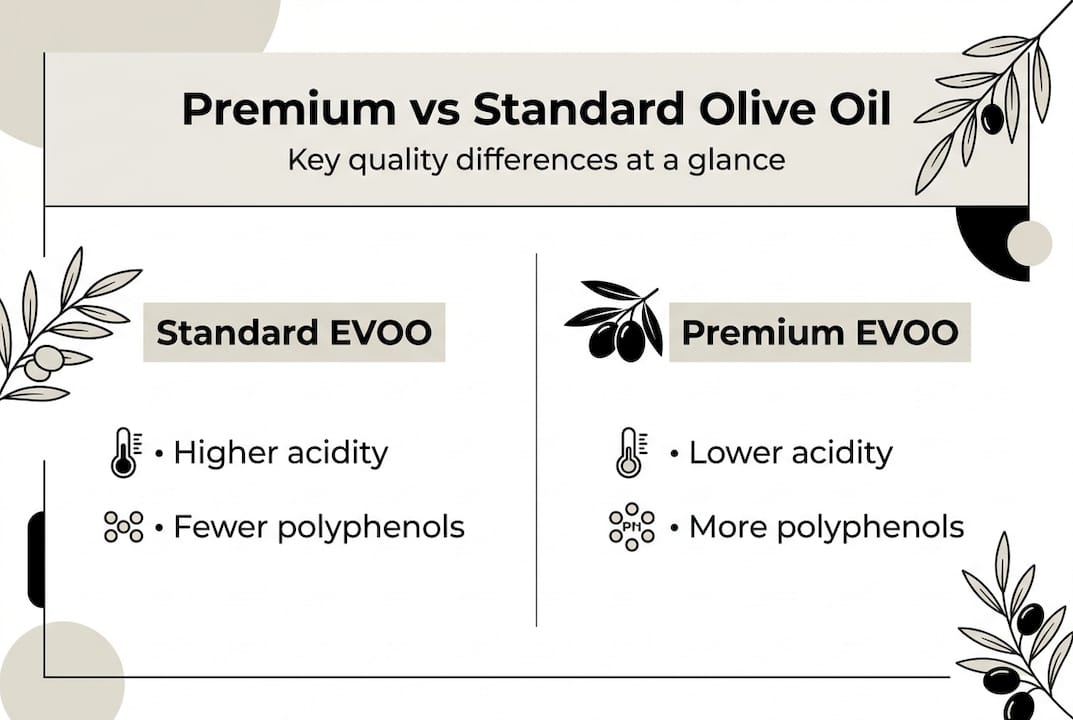
On the chemistry side, free acidity and peroxide value tell you how fresh and well-handled the oil is. Lower numbers mean less oxidation and better preservation of beneficial compounds. Polyphenols, the antioxidants that give premium EVOO its characteristic bitterness and peppery finish, are the real health differentiator. Standard oils often contain fewer than 100 mg/kg. Premium oils regularly exceed 300 mg/kg, and some exceptional early-harvest oils reach 500 mg/kg or more.
Here’s what to look for on any bottle you’re considering:
- Harvest date clearly printed (not just a “best by” date)
- Free acidity below 0.5%, ideally below 0.3%
- Polyphenol content listed or available via a COA
- Certified sensory panel results or a recognized quality seal
- Single origin or estate-sourced, not a blend of multiple countries
- Cold extraction confirmed on the label
Certifications like the COOC apply stricter acidity standards and use IOC-recognized panels for sensory evaluation, which adds a meaningful layer of accountability. You can learn more about evaluating these markers in the olive oil evaluation guide and the breakdown of olive oil quality markers that matter most for health.
Pro Tip: Always ask for or look up the certificate of analysis before buying a premium olive oil online. Any producer serious about quality will make this available without hesitation.
If you’re also wondering whether organic certification matters alongside premium quality, what makes olive oil organic covers the overlap between organic farming and high-polyphenol production.
Craftsmanship behind premium EVOO: From orchard to bottle
Premium olive oil doesn’t happen by accident. Every decision from the orchard to the bottle either builds or destroys quality. Here’s how the best producers approach it:
- Varietal selection. Certain olive varieties naturally produce higher polyphenol content. Producers who specialize in premium oil choose varietals suited to their terroir and known for antioxidant richness.
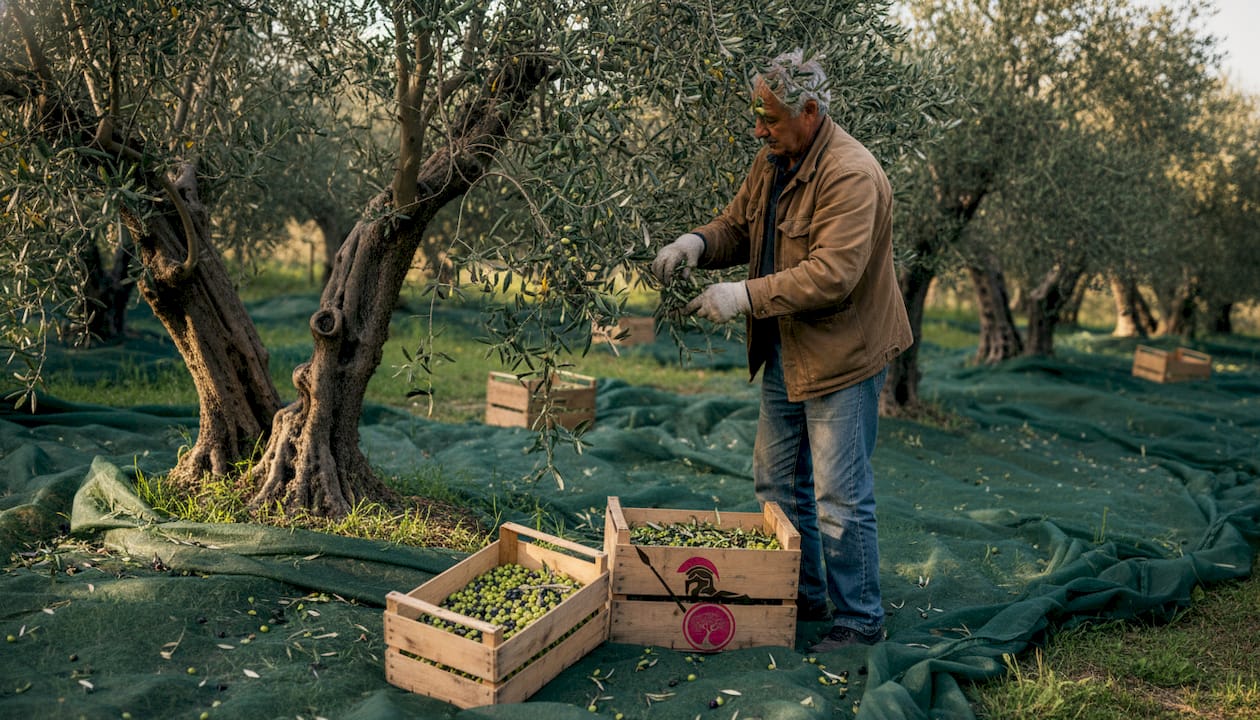
- Early harvest timing. Olives harvested before full ripeness (at veraison, when they’re still green or just turning) contain significantly more polyphenols. Waiting for full ripeness increases yield but drops antioxidant content sharply.
- Cold extraction below 27°C. As one industry definition puts it, cold extraction preserves polyphenols and flavors using only mechanical means, with no chemicals involved. Heat and solvents destroy what makes premium oil valuable.
- Speed from harvest to mill. Olives begin oxidizing the moment they’re picked. Premium producers process within hours, not days.
- Dark glass or tin storage. Light and heat degrade polyphenols rapidly. Proper packaging isn’t cosmetic; it’s functional.
“Cold extraction below 27°C preserves polyphenols and flavors through mechanical means only, with no chemicals involved.”
The traditional olive oil production guide goes into detail on how artisanal methods protect quality at each stage. And if you want to understand specifically how cold pressing affects antioxidant levels, cold pressed olive oil covers the science behind the process.
Premium olive oil and health: Nutrients and antioxidant advantage
Beyond extraordinary taste, premium olive oil delivers powerful health benefits thanks to its unique nutrient profile. The key compounds are polyphenols, specifically oleocanthal and oleuropein, which have been studied for their anti-inflammatory and cardioprotective effects.
Standard EVOO may contain some polyphenols, but the concentration in premium oils is in a different league. The IOC trade standard recognizes that premium craftsmanship, including early veraison harvest, produces oils with significantly higher antioxidant content. That difference translates directly into measurable health impact.
| Nutrient marker | Standard EVOO | Premium EVOO |
|---|---|---|
| Polyphenols (mg/kg) | 50 to 150 | 300 to 800+ |
| Oleocanthal | Trace amounts | High concentration |
| Oleuropein | Low | Significantly elevated |
| Free acidity | Up to 0.8% | Below 0.5% |
| Oxidation level | Higher | Minimal |
The practical benefits linked to high-polyphenol oils include:
- Cardiovascular support through reduced LDL oxidation
- Anti-inflammatory action comparable in some studies to low-dose ibuprofen (for oleocanthal specifically)
- Cellular protection from oxidative stress
- Gut health support through prebiotic-like effects of certain phenolic compounds
For a full breakdown of how these compounds work, the polyphenol benefits guide is worth reading alongside the polyphenols vs antioxidants guide, which clarifies the relationship between these two often-confused terms.
How to recognize true premium olive oil: Quick buying checklist
Putting all of this into practice doesn’t require a chemistry degree. Here’s a straightforward checklist you can use the next time you’re buying olive oil, whether in a store or online.
- Check the harvest date. Premium oil should be from the most recent harvest season. Avoid anything without a clear harvest date printed on the label.
- Look for polyphenol content. A lab COA for polyphenols should be available. If the producer can’t provide one, that’s a red flag.
- Verify acidity. Free acidity below 0.5% is a strong indicator of quality. Below 0.3% is exceptional.
- Confirm cold extraction. The label should state cold pressed or cold extracted, with a temperature at or below 27°C.
- Check the packaging. Dark glass bottles or tins protect the oil from light degradation. Clear bottles are a warning sign for any oil claiming premium status.
- Look for a recognized certification. COOC, PDO (Protected Designation of Origin), or similar regional certifications add credibility.
- Be skeptical of deep discounts. Genuine premium olive oil involves significant cost at every stage of production. A dramatically low price almost always signals a quality compromise.
Pro Tip: If you’re buying online, search for the producer’s name alongside “certificate of analysis” or “polyphenol content.” Legitimate premium producers publish this data openly.
The high polyphenol olive oil guide offers additional context on what polyphenol numbers actually mean in practice, so you can interpret a COA with confidence.
Explore certified premium extra virgin olive oils
For those who want to experience the health and flavor benefits of true premium EVOO, knowing what to look for is only half the equation. Finding a producer who actually meets these standards is the other half.
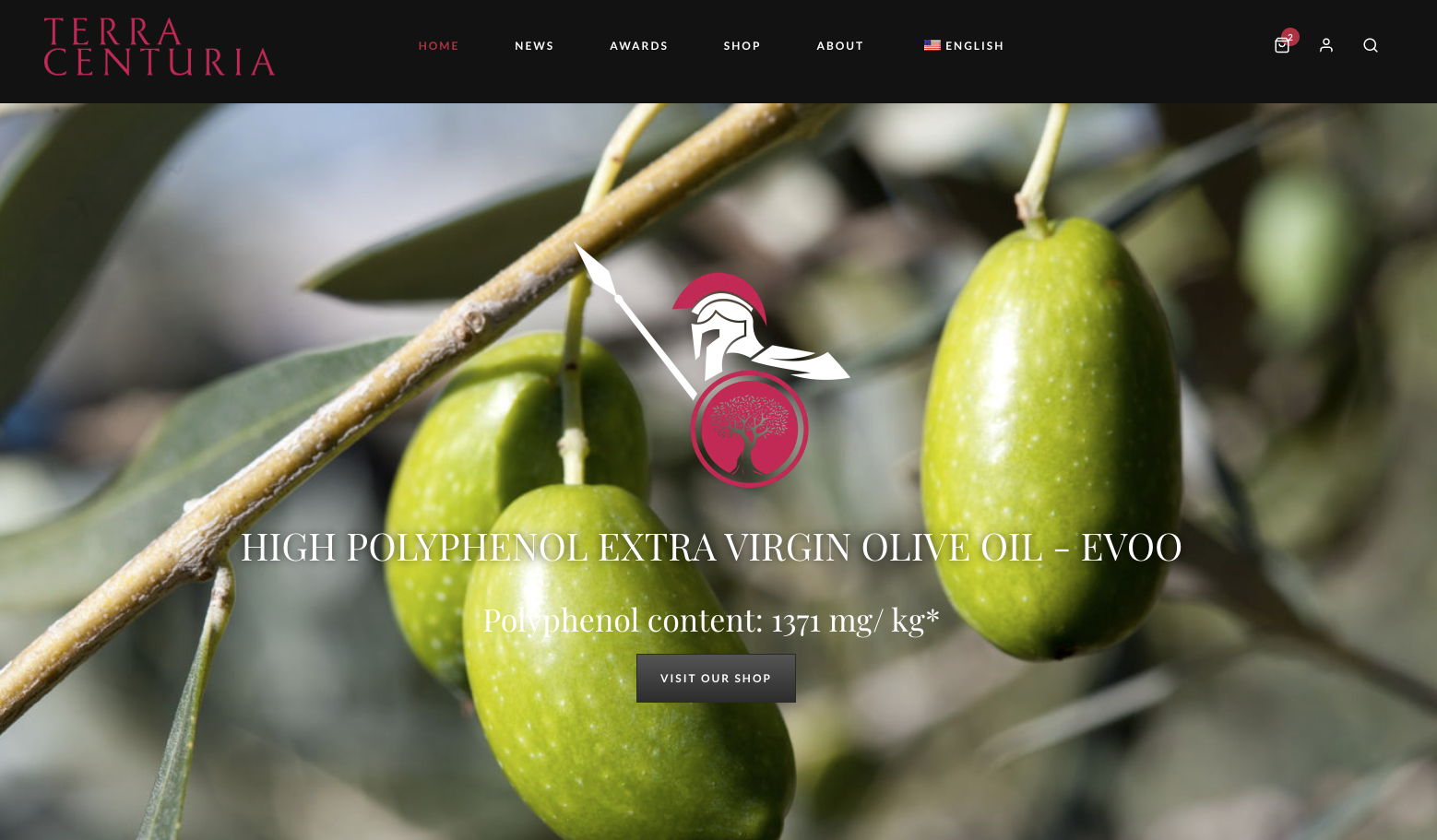
Terra Centuria produces high-polyphenol extra virgin olive oil in Slovenian Istria, where traditional cultivation methods and early-harvest timing combine to create oils with exceptional antioxidant content. Every batch is lab-verified, and the results are available for you to review. If you want to understand the full high polyphenol olive oil benefits before committing, the site covers the research in plain language. You can also explore how cold pressed olive oil antioxidants are preserved through Terra Centuria’s extraction process, and learn about the organic olive oil selection standards that guide every harvest decision.
Frequently asked questions
How do I verify if an olive oil is truly premium?
Request or look up the producer’s certificate of analysis, which should confirm polyphenol content, acidity, and sensory evaluation results from a recognized panel. A clear harvest date on the label is also non-negotiable.
Why are high-polyphenol olive oils better for health?
High-polyphenol oils contain significantly more antioxidant and anti-inflammatory compounds than standard oils, with higher antioxidants via veraison harvest directly supporting heart health and reducing cellular oxidative stress.
Is taste a reliable indicator of premium EVOO?
Taste gives useful clues: fresh, fruity, and peppery notes suggest high polyphenol content, but IOC-recognized sensory panels and chemical data are the only reliable confirmation of true premium quality.
Do all extra virgin olive oils meet the premium standard?
No. 69 to 73% of imported EVOO sold in the US fails even the basic minimum standards, let alone the stricter criteria that define genuinely premium oil.
Can premium olive oil be used the same way as regular EVOO in cooking?
Yes, but using it raw as a finishing oil or drizzled over dishes preserves its polyphenols and flavor compounds, which heat can degrade over time.